
Yangzhou(扬州): Classical Gardens, Canal Streets, and the Slow Pleasure of Huaiyang Life
Yangzhou is the kind of city that teaches visitors to slow down before they even notice they are doing it. Set in central Jiangsu, near the meeting point of Grand Canal culture and the lower Yangtze world, it has long been associated with scholars, salt merchants, delicate gardens, and a food culture that values patience as much as flavor. For foreign teachers looking for a weekend trip that feels elegant without being intimidating, Yangzhou is especially useful: the old city is compact, the major sights are easy to connect, and the rhythm is softer than Shanghai or Nanjing. A two-day visit can include lake scenery, private gardens, museum time, old-street wandering, and one of China’s most famous breakfast traditions without turning the weekend into a forced march.
What makes Yangzhou memorable is not one dramatic landmark but the way small details keep adding up. Willows lean over narrow water, stone bridges frame painted pavilions, bamboo shadows fall across whitewashed walls, and tea houses treat breakfast like a civic art form. The city is deeply historical, yet it rarely feels sealed behind glass. Local residents still shop near Dongguan Street, morning tea remains part of everyday social life, and the Grand Canal is not just a textbook fact but a living spine of the city. For an English teacher based in China, Yangzhou also offers a rich classroom angle: it is a place where students can understand how trade, taste, architecture, and language shaped urban life over centuries.
The Places You Absolutely Must Visit:
Slender West Lake 瘦西湖
click here to see the map pin📍
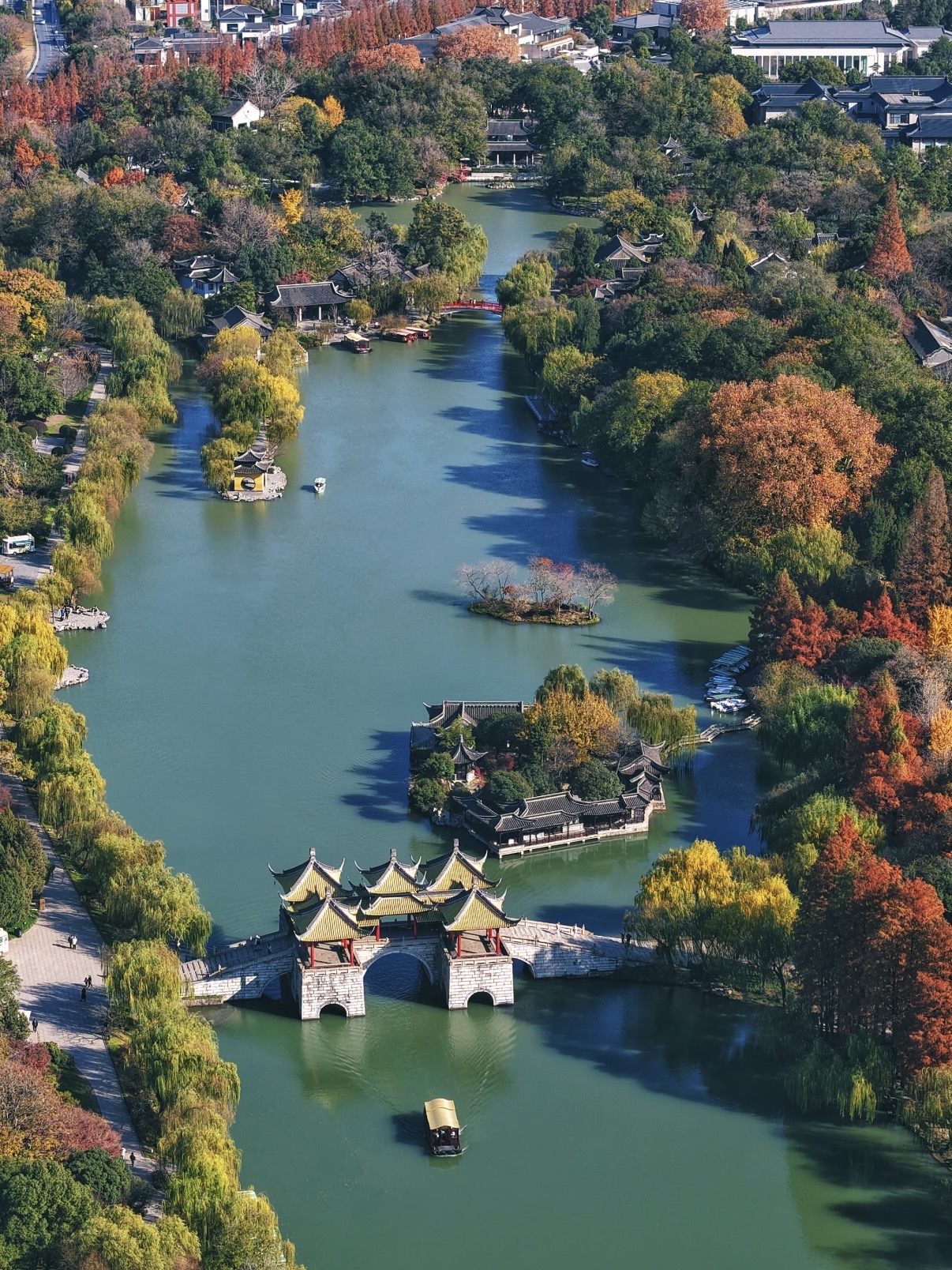
Slender West Lake is Yangzhou’s signature landscape, and it deserves to be the first stop because it immediately explains the city’s aesthetic. Unlike Hangzhou’s broad West Lake, this waterway is long, narrow, and composed like a scroll painting. Paths curve gently along the bank, pavilions appear at carefully staged moments, and willow branches soften the edges of bridges and roofs. The experience is less about rushing to a single viewpoint and more about walking until the lake reveals another quiet angle.
Give this area enough time, especially if the weather is clear. The Five-Pavilion Bridge, White Pagoda, Twenty-Four Bridge, and Xiaojinshan area all feel different in mood, so it is worth exploring slowly rather than treating the lake as a quick photo stop. A boat ride can be useful for first-time visitors because it shows how Yangzhou’s garden designers used water as a moving corridor. In spring, the classic phrase ‘fireworks in March descending to Yangzhou’ suddenly makes emotional sense here.
Ge Garden 个园
click here to see the map pin📍
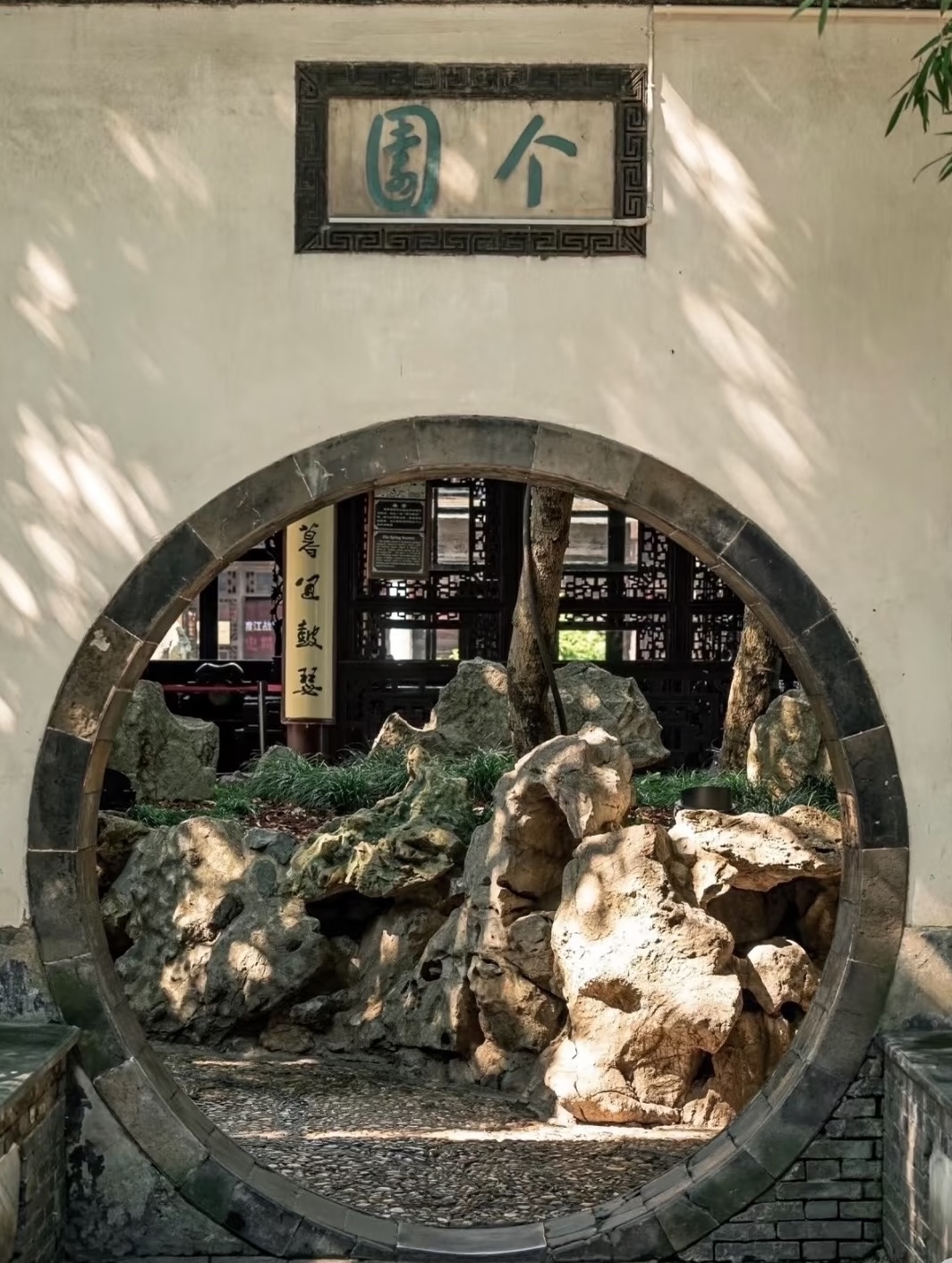
Ge Garden is one of Yangzhou’s most rewarding private gardens, especially for visitors who enjoy architecture with a puzzle-like quality. Built around bamboo, stone, courtyards, and residential halls, it is famous for rockeries that represent the four seasons. The garden does not need to be huge to feel layered. A few steps can shift the atmosphere from shaded bamboo to bright courtyard, from narrow passage to open view, from domestic space to theatrical landscape.
This is also a good place to understand the salt-merchant culture that helped define Yangzhou. Wealth here was not expressed only through size, but through connoisseurship: unusual stones, deliberate sightlines, seasonal symbolism, and a kind of cultivated restraint. Foreign visitors may not recognize every classical reference, but the garden still communicates clearly through texture and movement. Walk slowly, look back often, and notice how the same wall, window, or rock formation changes when seen from another angle.
He Garden 何园
click here to see the map pin📍
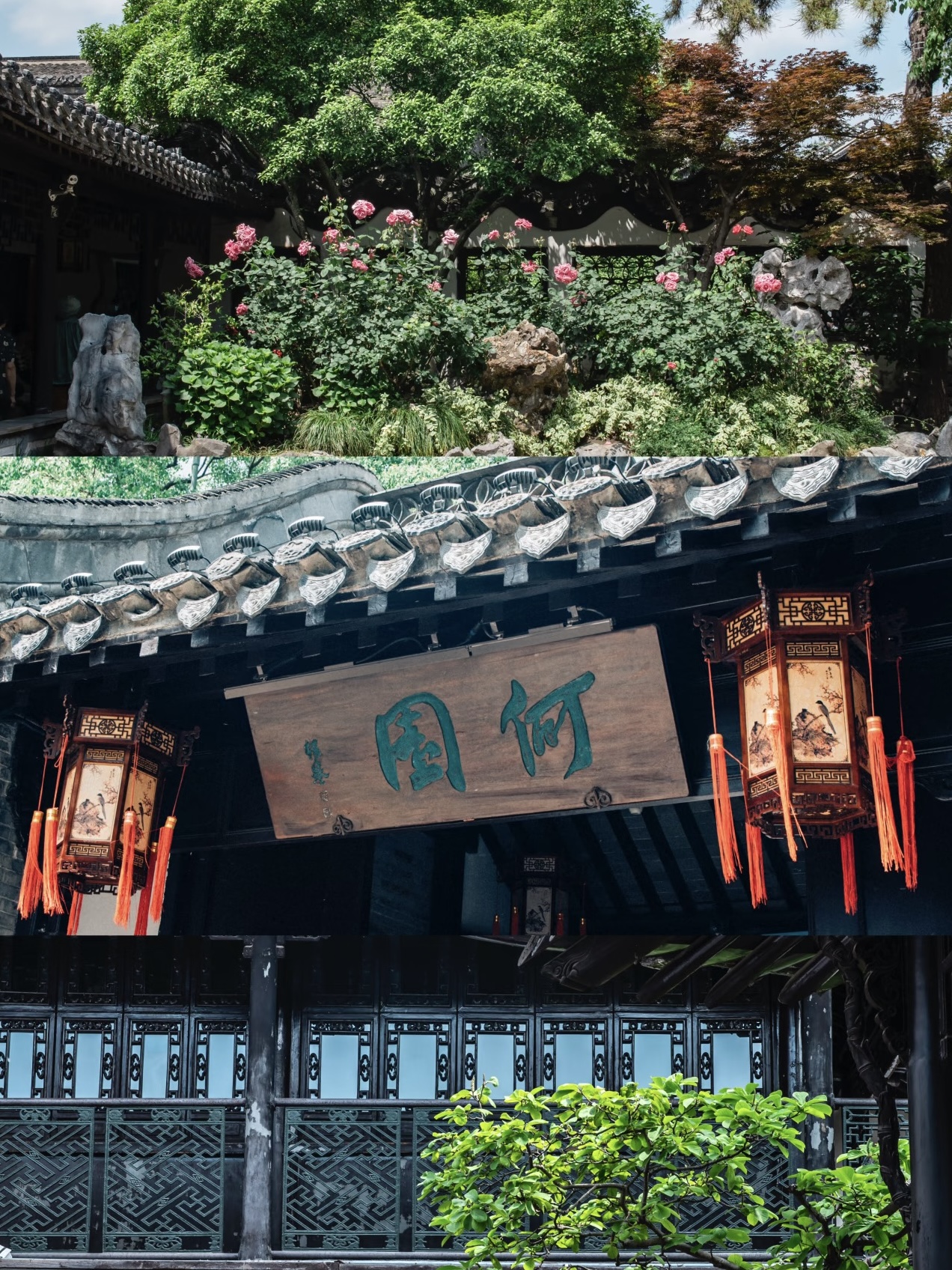
He Garden, also known as Jixiao Villa, has a slightly different personality from Ge Garden. It is often described as a late-Qing masterpiece, and what stands out is the way corridors, elevated walkways, and rooms create an almost cinematic flow. The garden feels refined but also surprisingly modern in its spatial logic. Visitors move through covered paths, bridges, framed openings, and residential quarters, with each turn creating a new stage for light, stone, water, and plants.
For a weekend itinerary, He Garden works beautifully after Ge Garden because the comparison makes both places richer. Ge Garden feels more compact, scholarly, and rock-centered; He Garden feels more expansive, architectural, and theatrical. The double-deck corridor is especially memorable, allowing visitors to see the garden from different heights without leaving the circulation route. It is an excellent stop for photography, but it also rewards quiet attention, particularly in the late afternoon when the walls and walkways catch warmer light.
Dongguan Street 东关街
click here to see the map pin📍
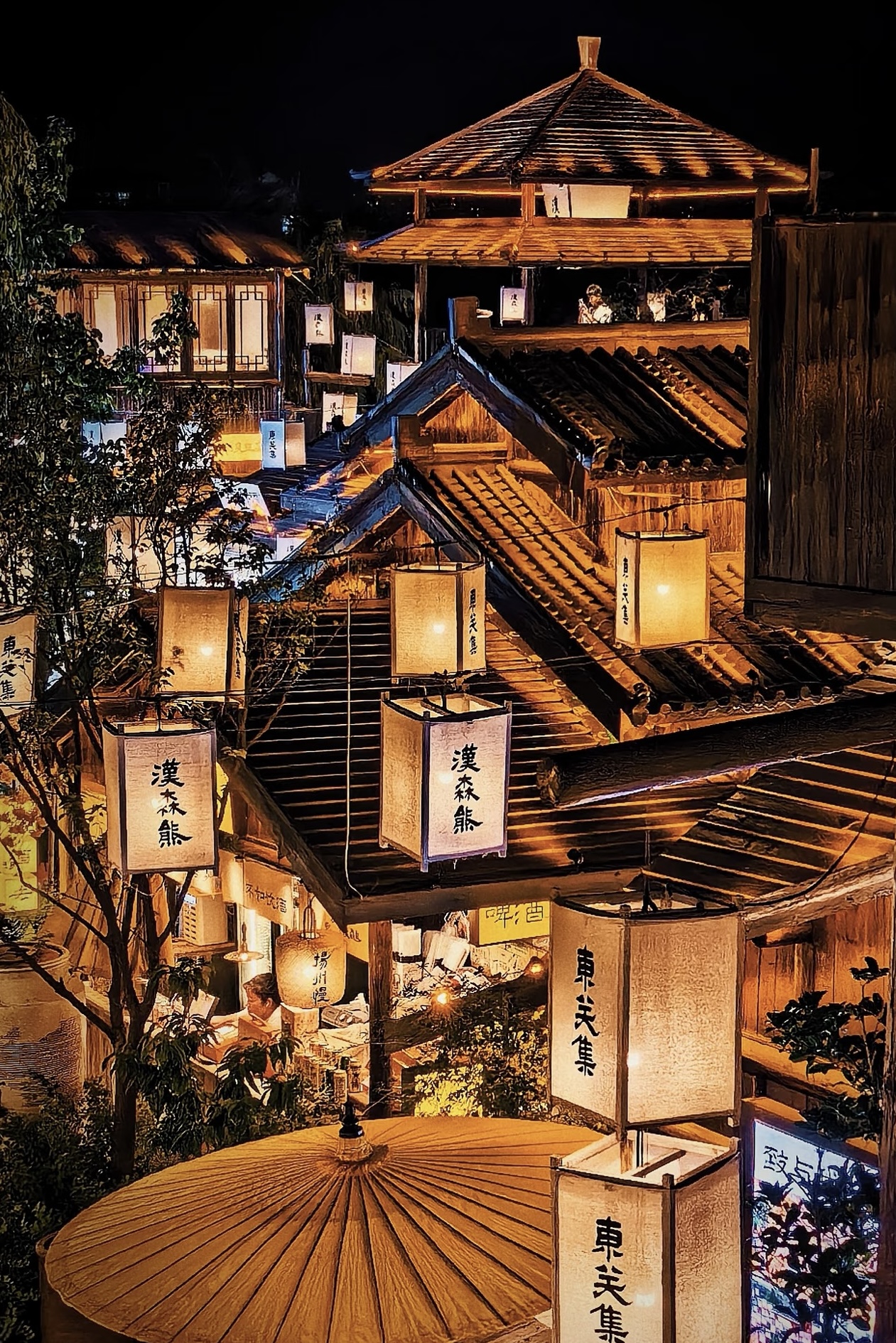
Dongguan Street is the easiest place to feel Yangzhou’s old-city life after several hours inside gardens. The street runs through a historic commercial district lined with snack shops, teahouses, small museums, local brands, and restored storefronts. It can be busy, especially on weekends, but that energy is part of the appeal. After the controlled elegance of garden design, Dongguan Street brings the city back to noise, fragrance, bargaining, walking, and everyday appetite.
The best way to visit is not to over-plan it. Start near Ge Garden or the old gate area, then let the street pull you along. Try a snack, step into a side lane, look for old brickwork, and allow time for small discoveries. This is also a practical dinner zone after a day of sightseeing. For teachers traveling with colleagues, Dongguan Street is useful because everyone can explore at their own pace while still staying within a simple, walkable corridor.
China Grand Canal Museum 中国大运河博物馆
click here to see the map pin📍
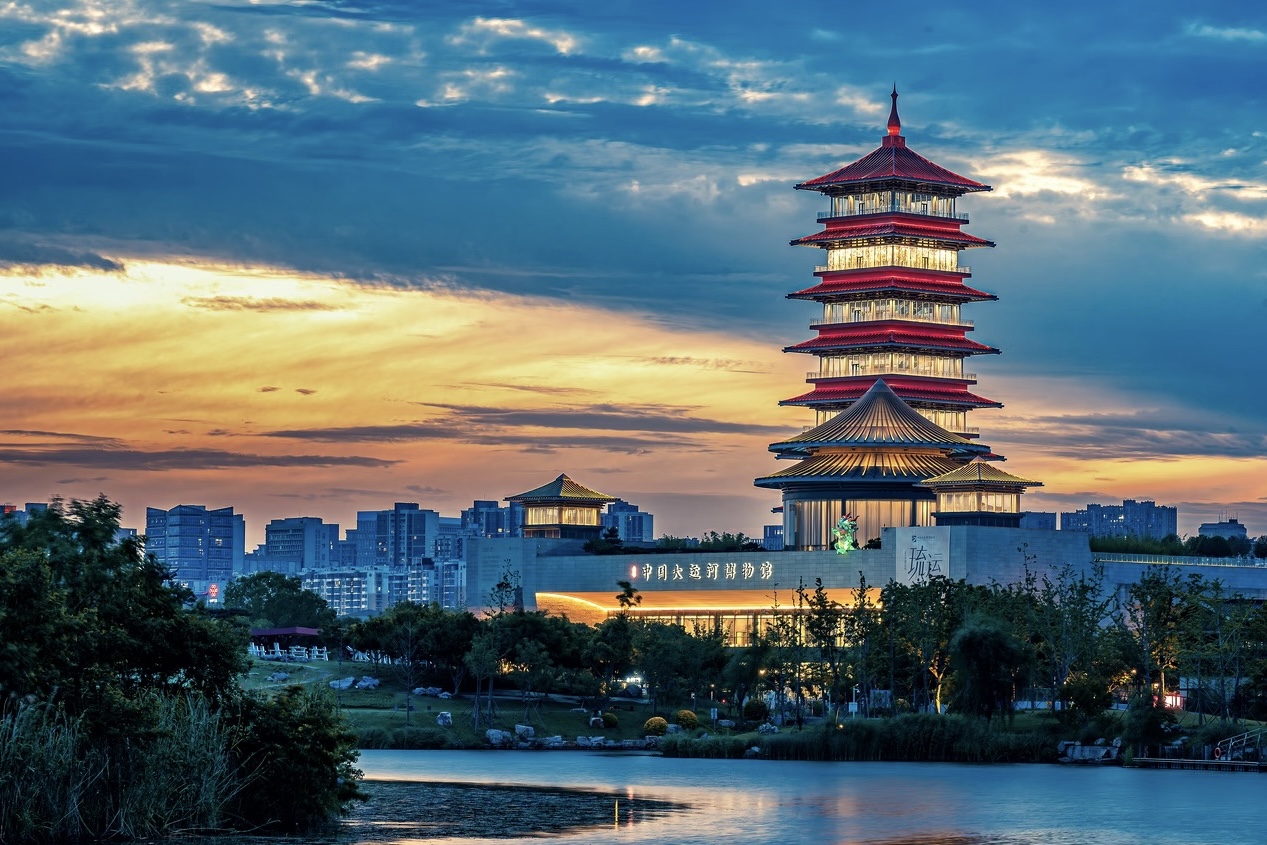
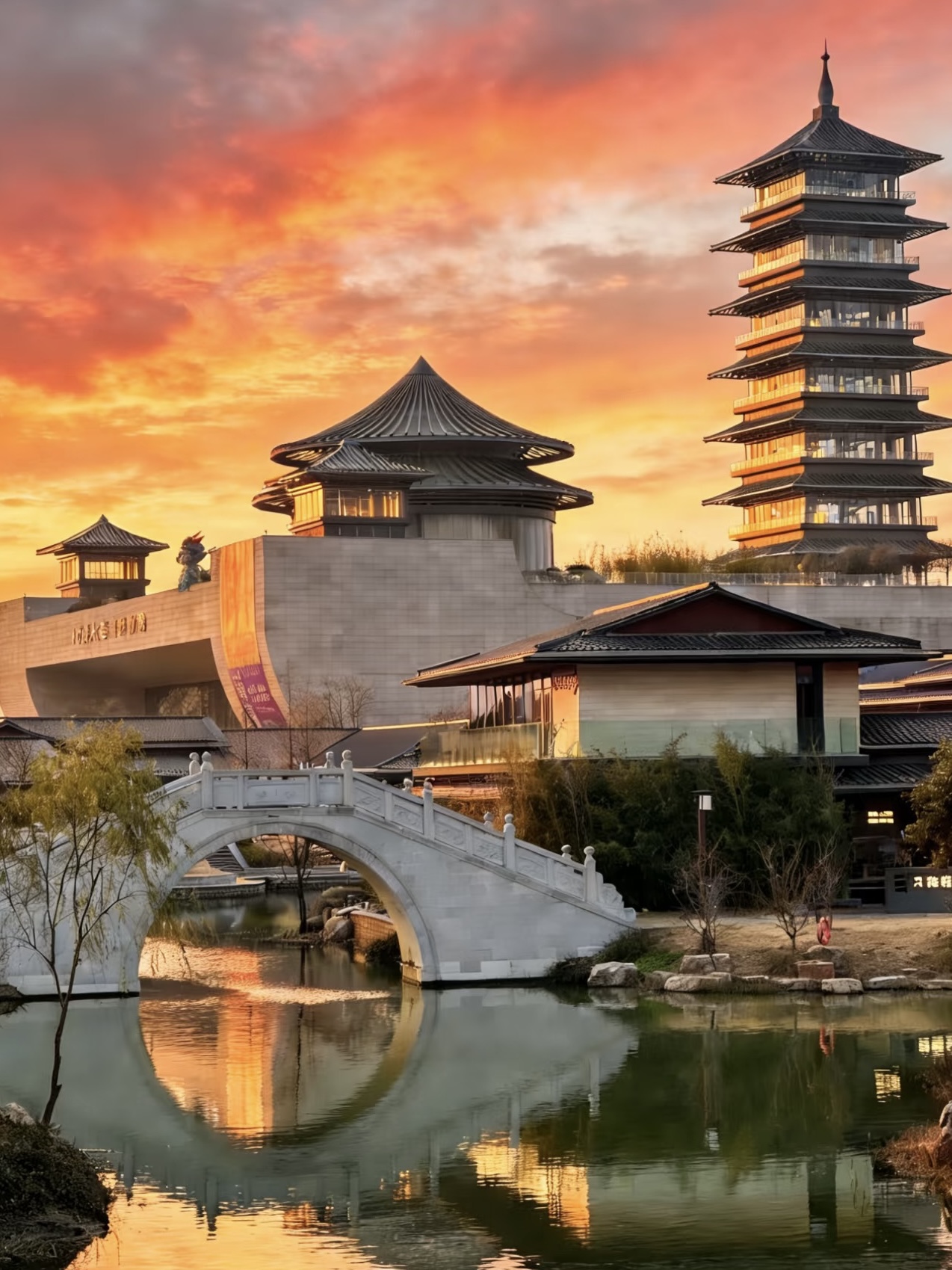
The China Grand Canal Museum gives Yangzhou a strong final anchor because it connects the city’s beauty to the larger story that made it possible. The Grand Canal shaped trade, migration, food, language, and urban prosperity across eastern China, and Yangzhou was one of the cities that benefited most from that movement. The museum is modern, spacious, and immersive, making it easier for non-specialists to understand the canal not as a line on a map but as a system of people, goods, technology, and culture.
This stop is especially helpful for foreign teachers because it turns a pleasant weekend into something intellectually memorable. After seeing gardens and old streets, the museum explains why such refinement could grow here in the first place. Exhibitions cover canal history, boats, urban life, and intangible heritage, and the building itself sits near the Sanwan area, giving the visit a more open, contemporary setting. Check reservation rules and opening arrangements before going, because popular museum slots can fill quickly during holidays.
Yangzhou Cuisine
Yangzhou cuisine is one of the great reasons to choose the city for a weekend. It belongs to the Huaiyang tradition, a style known for clean flavors, careful knife work, elegant presentation, and a preference for balance over heaviness. Dishes often look simple before the skill reveals itself: a soup that feels clear but deep, tofu cut into hair-thin threads, or a dumpling whose filling tastes gentle rather than aggressively seasoned. This makes Yangzhou food especially friendly for visitors who want Chinese regional cuisine that is refined, comforting, and easy to share.
The essential experience is morning tea, not in the British sense, but as a full breakfast culture built around tea, steamed buns, noodles, snacks, and long conversation. Locals may call it ‘skin wrapped water’ in the morning, meaning tea fills the stomach before the day begins. For travelers, the best strategy is to treat one breakfast as a major meal rather than a quick stop. Go early, order several classics, and do not be surprised if the table feels more like a slow Sunday ritual than a tourist checklist.
Yangzhou Fried Rice 扬州炒饭
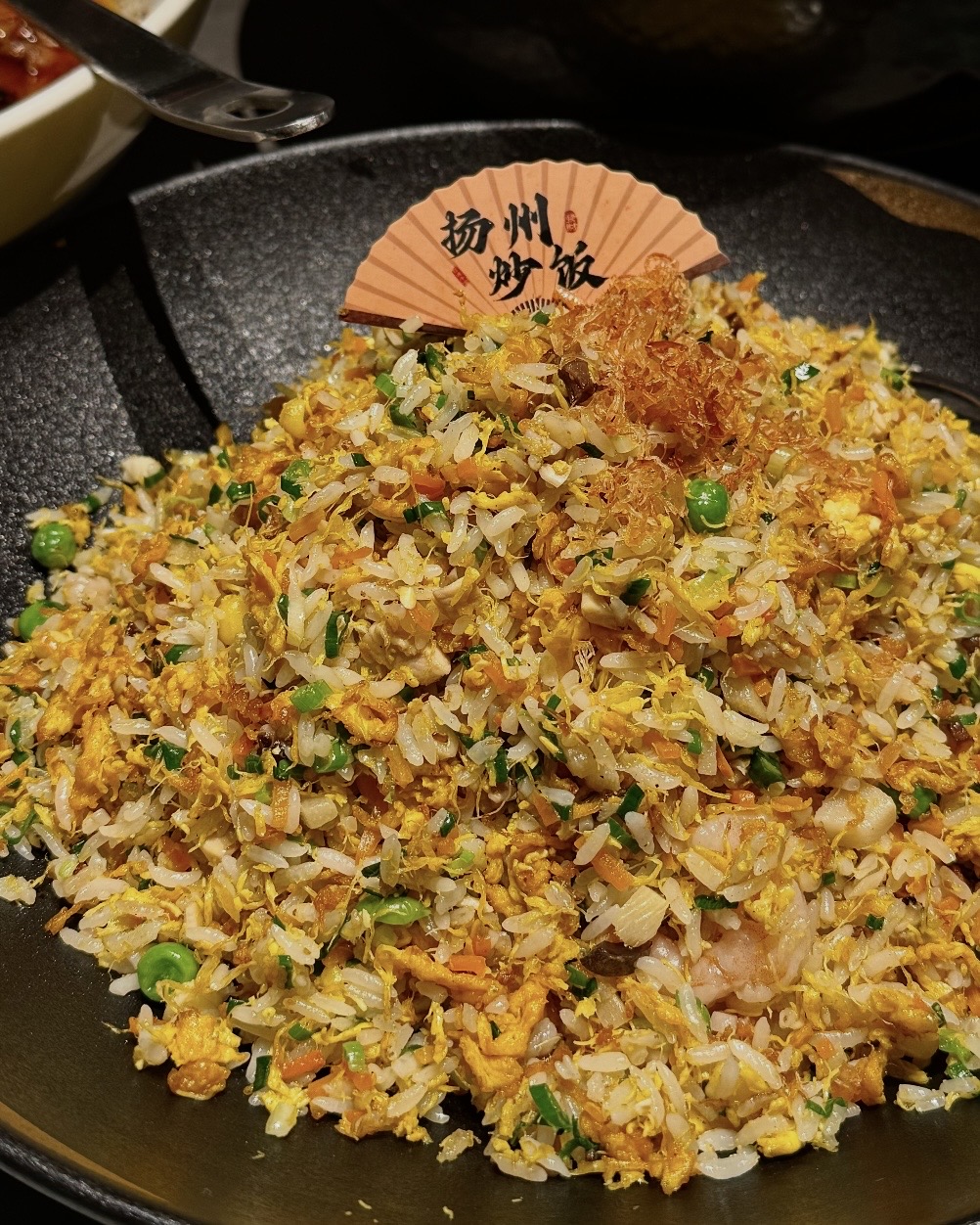
Yangzhou Fried Rice is famous far beyond the city, but eating it in Yangzhou helps explain why the dish became a standard. The best versions are not oily or overloaded; they rely on separated grains, gentle egg fragrance, diced vegetables, shrimp, ham or other savory bits, and careful heat control. It is a humble dish with a very exact sense of balance.
Boiled Shredded Dry Tofu 大煮干丝
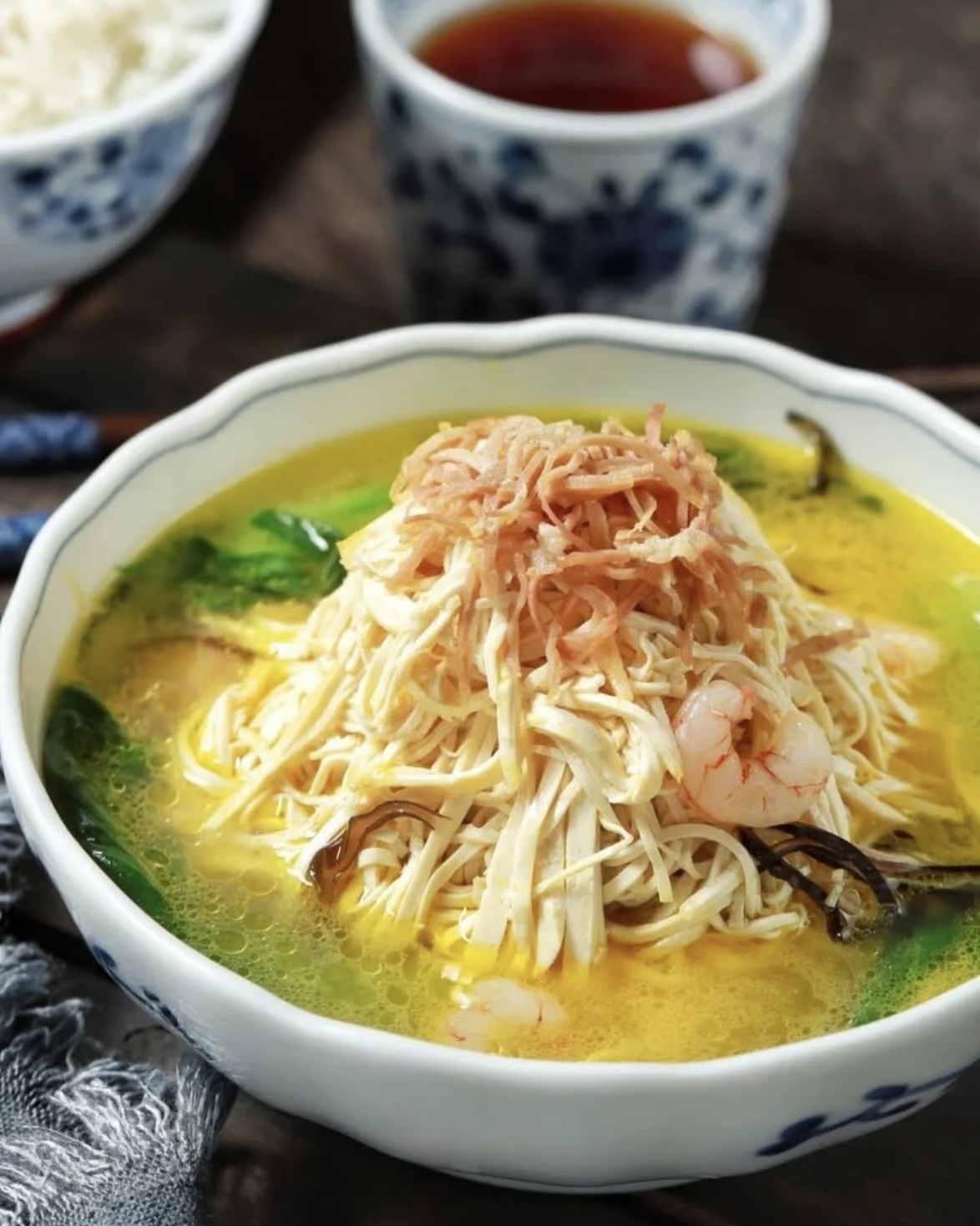
Boiled Shredded Dry Tofu is a Huaiyang showpiece disguised as comfort food. The tofu sheets are cut into extremely fine threads, then simmered in a light, savory broth with ingredients such as ham, bamboo shoots, mushrooms, or shrimp. The flavor is delicate, but the texture is the star: soft, silky, and precise without feeling showy.
Three-Diced Baozi 三丁包子
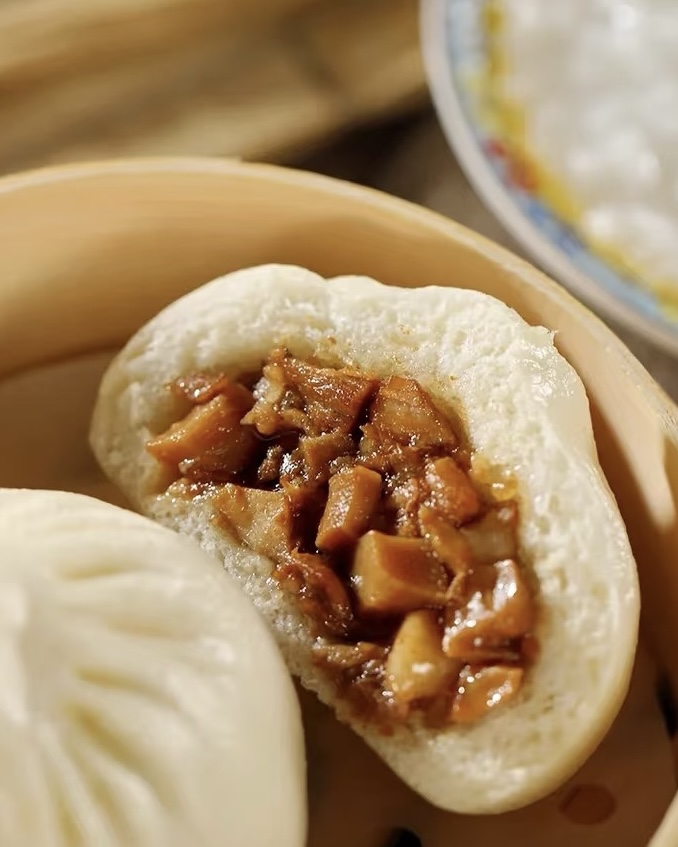
Three-Diced Baozi is one of the classic morning tea orders. The filling usually combines diced pork, chicken, and bamboo shoots, creating a mix that is savory, juicy, and slightly sweet from the dough. It is filling enough to start a sightseeing day but refined enough to match Yangzhou’s breakfast culture, where steamed buns are treated with real seriousness.
Lion’s Head Meatballs 狮子头
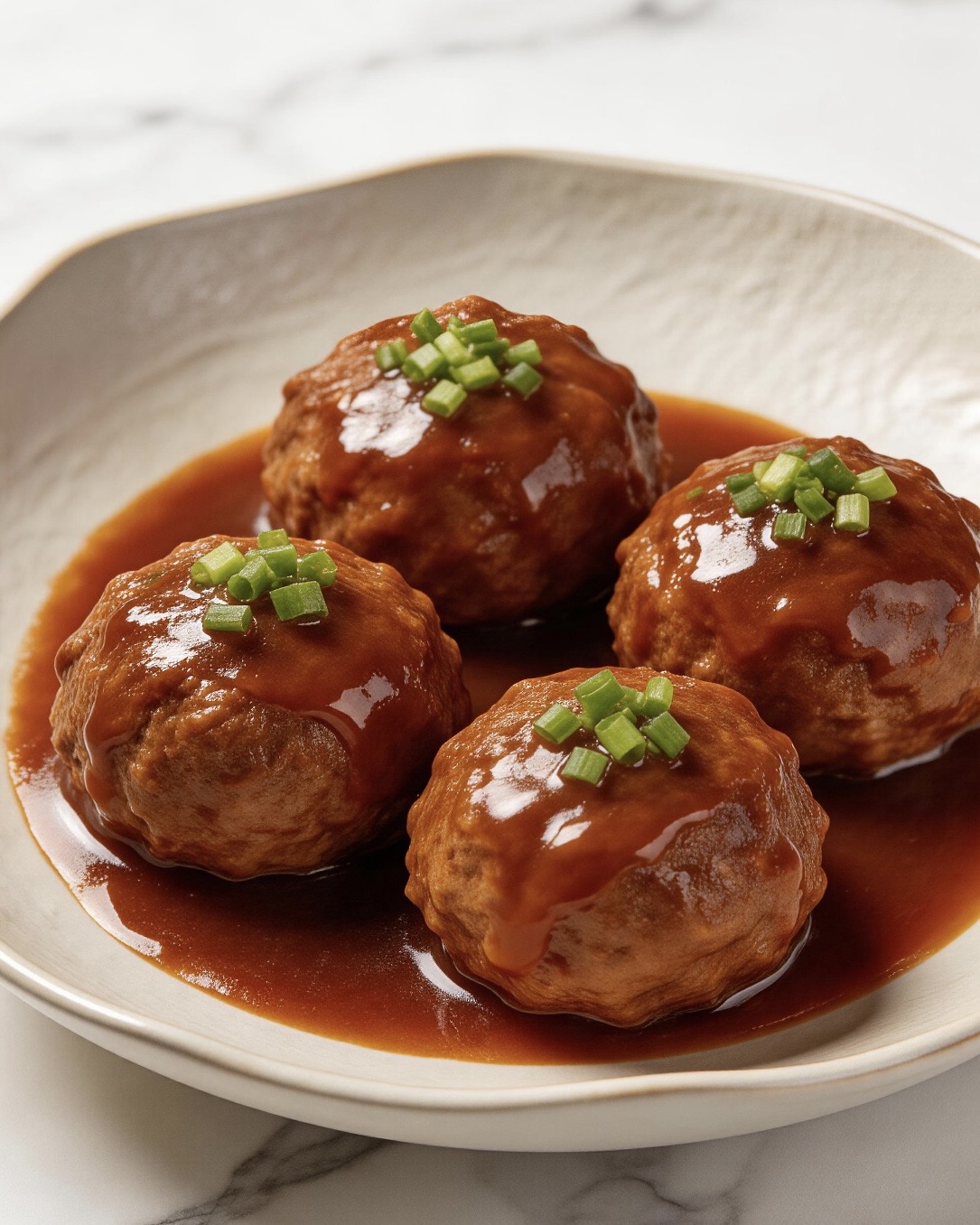
Lion’s Head Meatballs are large, tender pork meatballs often braised or served in a clear broth. In Yangzhou, the dish should feel soft and almost cloud-like rather than dense. The seasoning is restrained, allowing the texture and broth to do much of the work. It is a good shared dinner dish after a long day of walking.
Yangzhou Morning Tea Dim Sum 扬州早茶点心
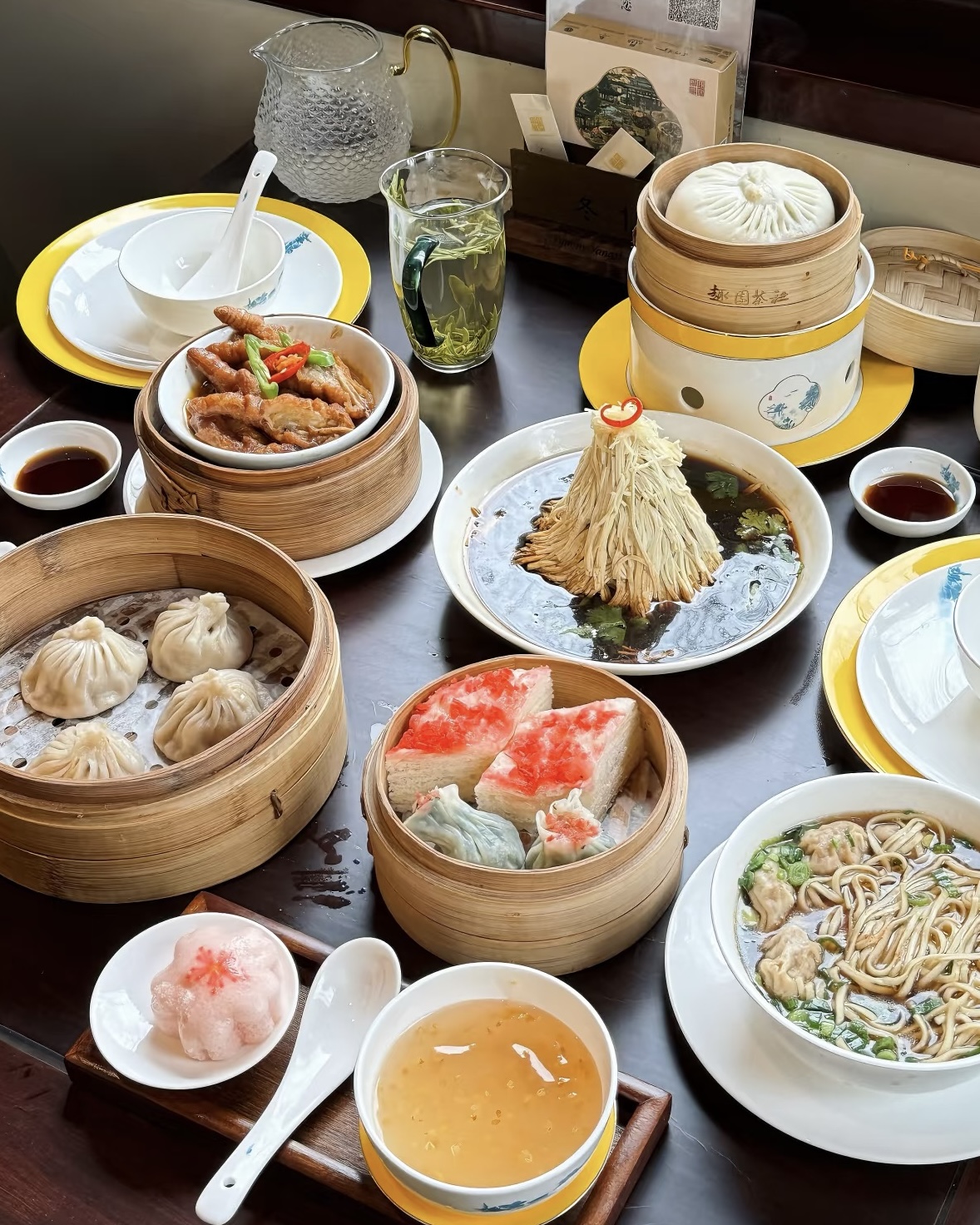
Yangzhou morning tea is more than one food, so leave room for variety: crab roe soup dumplings, steamed buns, sesame pastries, noodles, and small cold dishes. The pleasure is in building a table rather than chasing a single famous bite. Order slowly, share everything, and let breakfast become part of the trip instead of merely fuel for it.
Best Time to Visit
Spring is the most famous season for Yangzhou, especially from March to May, when willows, blossoms, and mild temperatures make Slender West Lake feel closest to its poetic reputation. This is also the period most closely associated with classical travel writing about the city, so crowds can be heavier around major holidays and weekends. If you want the classic atmosphere, spring is worth it; just book accommodation early and begin popular sights in the morning. Autumn, especially September to November, is another excellent choice because the air is clearer, garden colors become warmer, and walking through the old city feels comfortable.
Summer can be humid and hot, so plan outdoor sights early and reserve museums, teahouses, or shaded gardens for the middle of the day. Winter is quieter and can be surprisingly atmospheric if you enjoy old streets, hot tea, and fewer tour groups, though lake scenery is less lush. For a two-day teacher’s weekend, the best practical formula is Friday night arrival, Saturday for gardens and old streets, and Sunday for the museum and a slower lunch before leaving. Always check current opening hours, ticketing, and reservation rules before departure, especially for the China Grand Canal Museum and holiday periods.
Transportation in Yangzhou
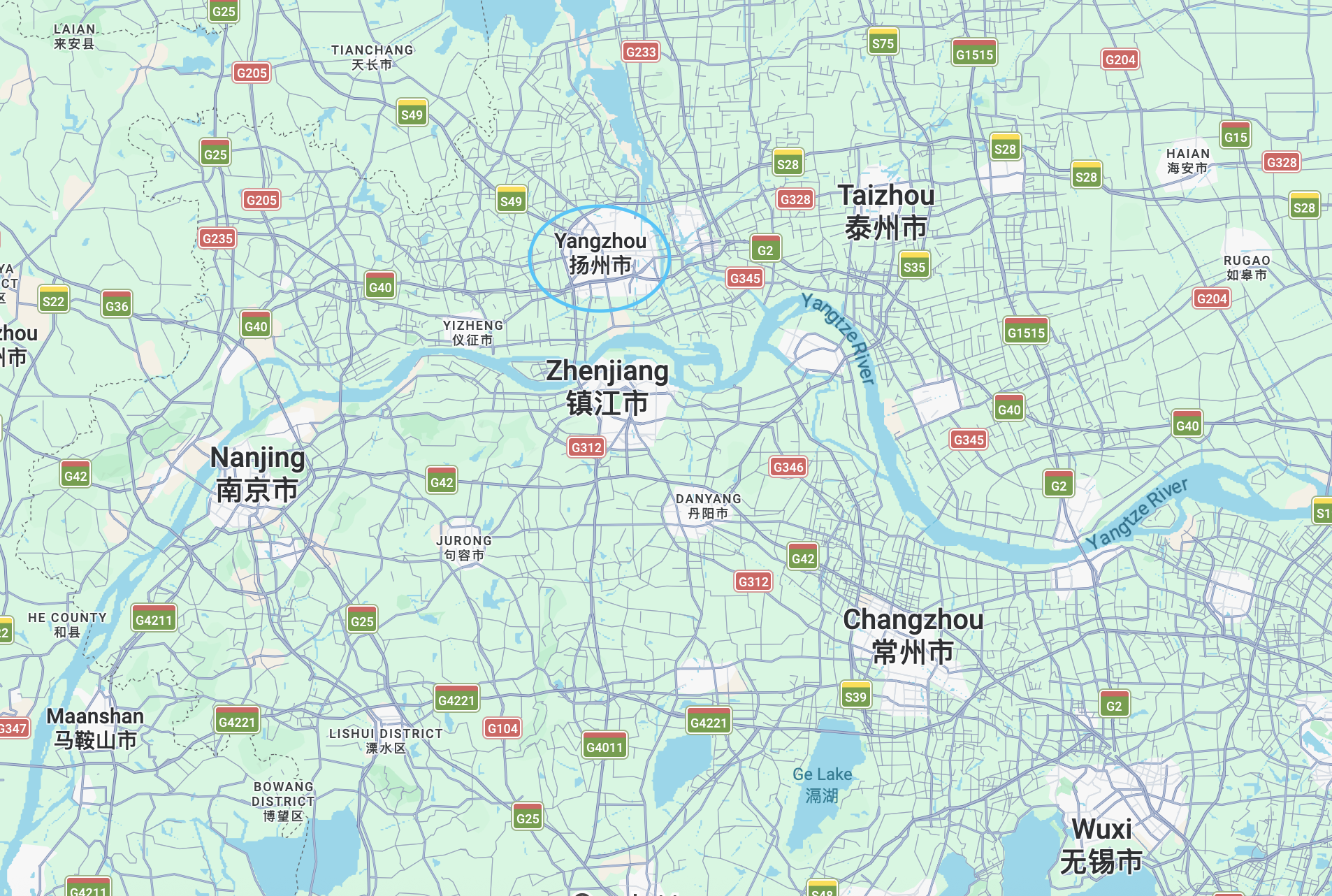
Yangzhou is easy to reach by high-speed rail from many parts of Jiangsu and eastern China. Yangzhou East Railway Station is the main modern rail gateway, with taxis and ride-hailing services connecting to the old city, Slender West Lake area, and hotel districts. If you are coming from Shanghai, Nanjing, Suzhou, Wuxi, or Hangzhou, the most comfortable plan is usually rail plus a short city transfer rather than flying. For international teachers based nearby, arriving on Friday evening works well because the city center is manageable and dinner near Dongguan Street can begin the trip without complicated logistics.
Inside Yangzhou, do not design the weekend around long cross-city jumps. The best sights cluster well enough for taxis, ride-hailing, short bus rides, and walking. Slender West Lake deserves its own block of time, while Ge Garden, He Garden, and Dongguan Street can be combined with careful routing. The China Grand Canal Museum sits farther south near the Sanwan area, so it works best as a separate half-day stop. If traveling with colleagues, use taxis between clusters and walk within each neighborhood; this keeps the trip relaxed and avoids losing energy to transfers.
A 2-Day Travel Itinerary
Day 1: Start early at Slender West Lake (瘦西湖), entering with enough time to walk slowly along the water, cross the Five-Pavilion Bridge area, and take photos without rushing from landmark to landmark. Around late morning, move toward Ge Garden (个园), where the four-season rockeries and bamboo courtyards give a more intimate view of Yangzhou’s garden culture. Have lunch nearby with a few Huaiyang dishes, then continue to He Garden (何园) in the afternoon, when its corridors and layered walkways are especially photogenic. As evening approaches, head to Dongguan Street (东关街) for snacks, shopping, and a casual dinner. This first day moves from lake scenery to private gardens to street life, which is the most natural way to feel the city’s old elegance turning into everyday energy.
Day 2: Begin with a proper Yangzhou morning tea breakfast, ordering Three-Diced Baozi (三丁包子), Boiled Shredded Dry Tofu (大煮干丝), and tea instead of treating breakfast as a quick hotel buffet. After that, visit the China Grand Canal Museum (中国大运河博物馆), giving yourself enough time for the permanent exhibitions and any special displays that explain the canal’s role in trade, migration, and urban culture. If your train leaves later in the afternoon, take a short walk around the Sanwan area or return to the old city for a final bowl of noodles or a light lunch. Keep this second day less crowded than the first: the museum works best when you have mental space to connect what you saw on Day 1 with the larger canal history that made Yangzhou wealthy, graceful, and culturally influential.
Yangzhou is a weekend city best remembered not for speed, but for the rare pleasure of gardens,
tea, water, and history moving at the same graceful pace.
Are you interested in traveling around China?
🌏✨ Experience teaching with MEF World and travel the world.✨🌏
Join our FREE webinar to learn more: https://cutt.ly/ne9bTUJd
See current jobs: https://cutt.ly/oeUbBjAF
Apply now: https://cutt.ly/meUbM7xG
Teaching in China = adventure, growth, and memories for a lifetime.
