Ningbo(宁波): Port History, Bookish Gardens, Seafood, and a Weekend by the Yong River
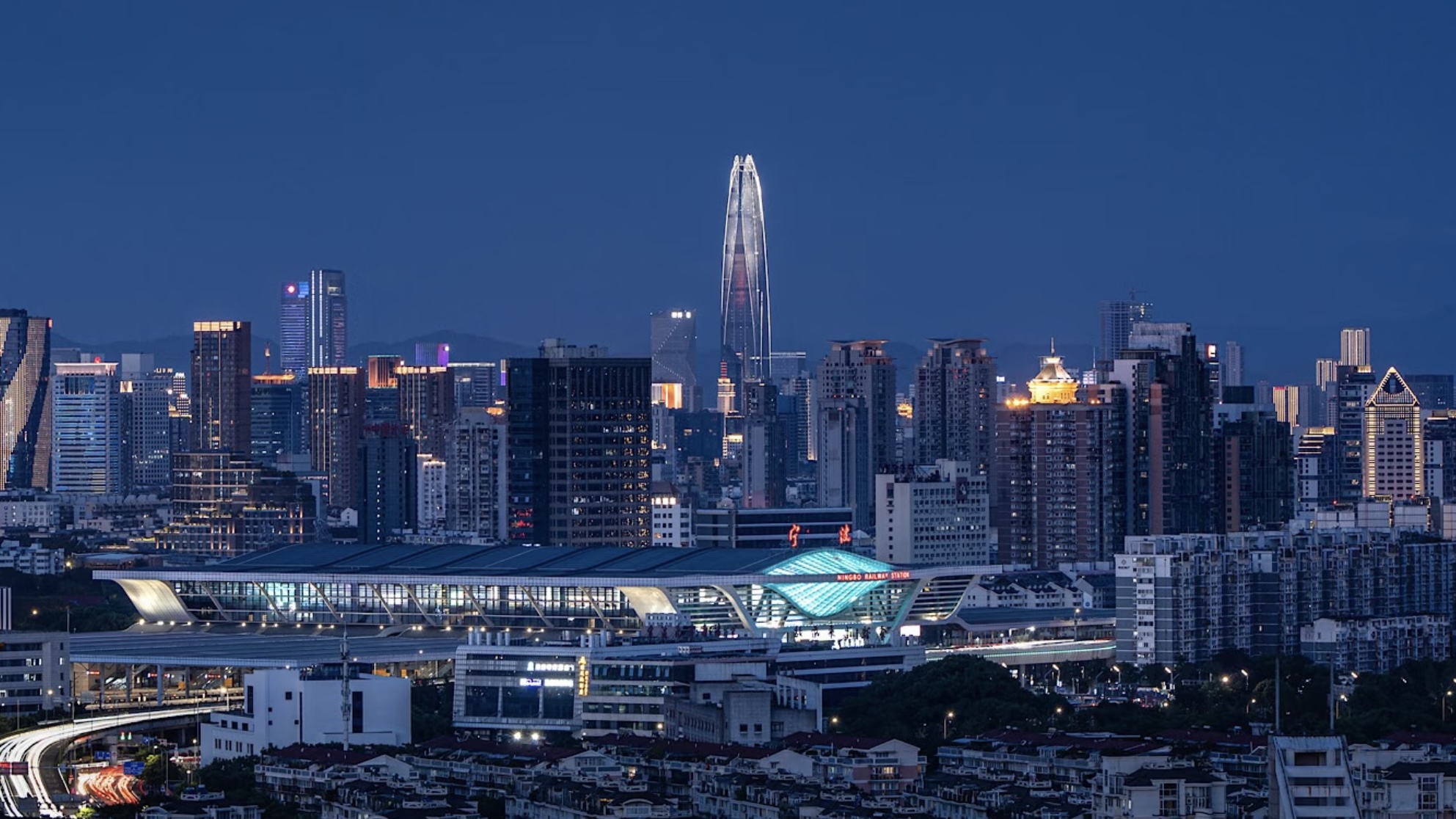
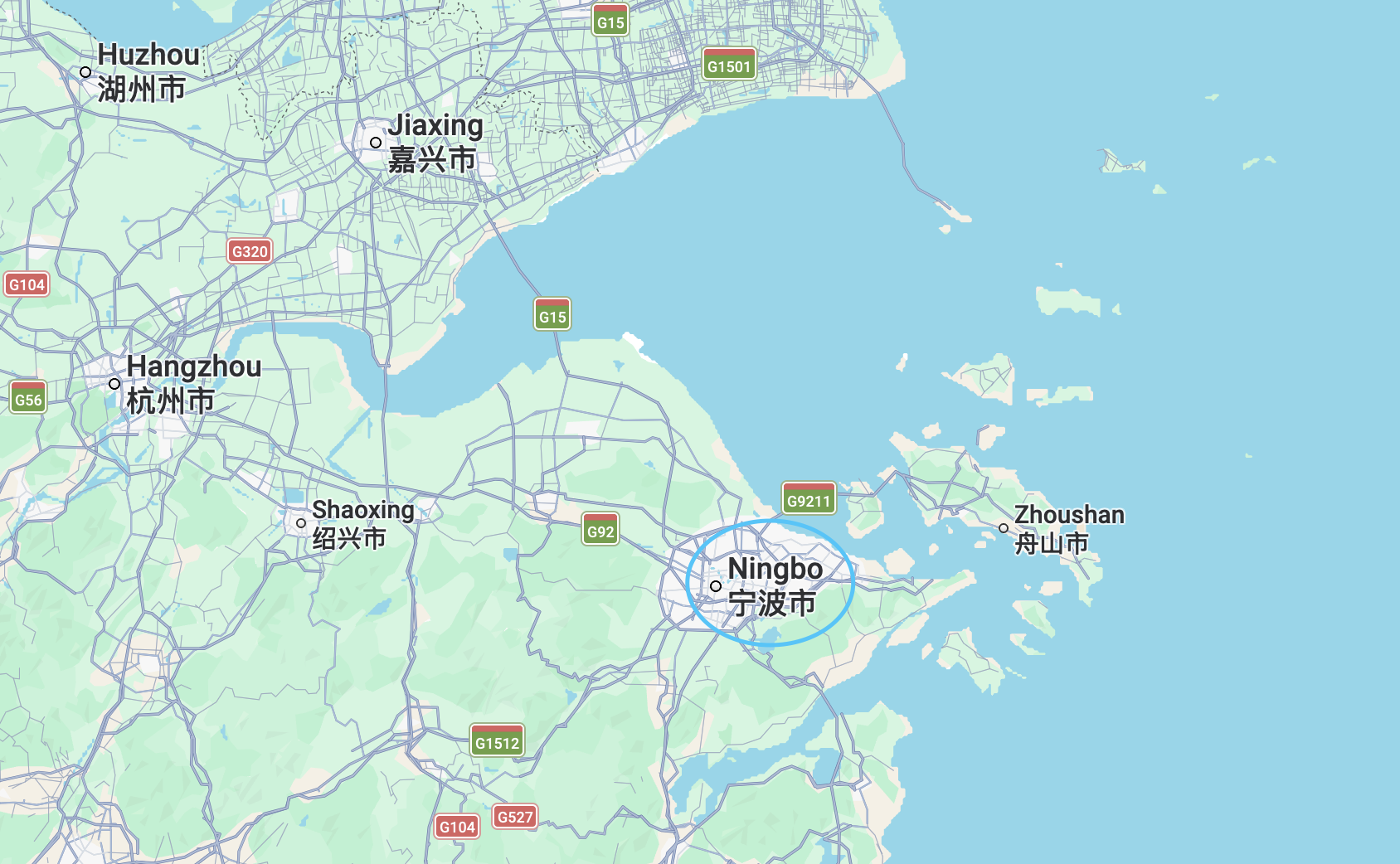
Ningbo is one of China’s most quietly rewarding weekend cities: old enough to feel rooted, modern enough to be easy, and coastal enough to taste different from the inland Jiangnan destinations nearby. Sitting where rivers, mountains, and the East China Sea meet, Ningbo grew as a major port long before many travelers learned its name. For foreign teachers looking for a two-day trip, it offers a practical mix of culture and comfort: a legendary private library, an atmospheric riverfront, a broad lake escape, a Buddhist temple with deep history, and an old street built for snacks and evening wandering. The city is also very manageable. High-speed rail brings you close to the center, taxis are straightforward, and most core sights can be arranged in clusters rather than scattered across a tiring itinerary.
What makes Ningbo especially useful for a travel article is its range. It is not only a seafood city, though seafood matters enormously here. It is also a city of books, merchants, overseas connections, Buddhist heritage, dialect culture, and riverfront trade. Tianyi Pavilion shows the scholarly side of Ningbo; the Old Bund shows the treaty-port and maritime side; Dongqian Lake offers open air and a slower landscape; Ashoka Temple connects the city to Buddhist pilgrimage; Nantang Old Street gives the trip a relaxed food-and-neighborhood finish. Compared with Hangzhou or Suzhou, Ningbo feels less polished for tourists, but that is part of its charm. It is a city where the weekend can feel both educational and lived-in.
The Places You Absolutely Must Visit:
Tianyi Pavilion 天一阁
click here to see the map pin📍
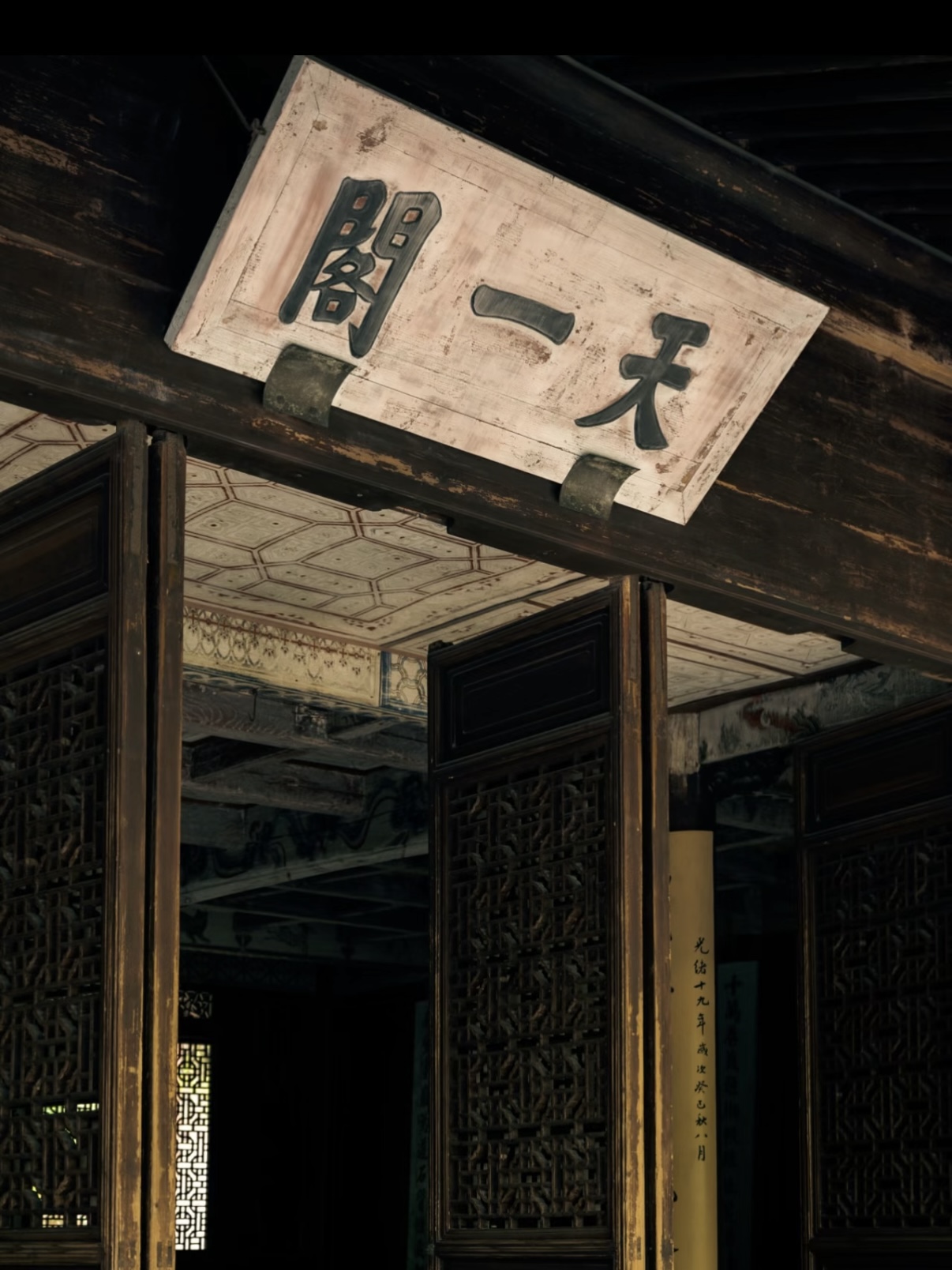
Tianyi Pavilion is the cultural heart of Ningbo and should be the first serious stop for anyone who wants to understand the city beyond its port identity. Built in the Ming dynasty by Fan Qin, it is often introduced as the oldest surviving private library in China. That description is impressive, but the real pleasure is more intimate: courtyards, old halls, stone paths, carved details, ponds, and a garden atmosphere that makes scholarship feel physical. Books here are not abstract objects; they belong to rooms, families, weather, fire prevention, and the discipline of preservation.
For English teachers, Tianyi Pavilion is especially useful because it turns Chinese literary culture into a place students can imagine. You can talk about printing, local gazetteers, examination culture, family collections, and why water symbolism mattered to a library. The site is also close to Moon Lake, so it can be paired with a gentle walk rather than treated as a stand-alone museum box. Go in the morning if possible, when the courtyards feel calmer and the layered architecture is easier to appreciate before the old-city area gets busier.
Ningbo Old Bund 老外滩
click here to see the map pin📍
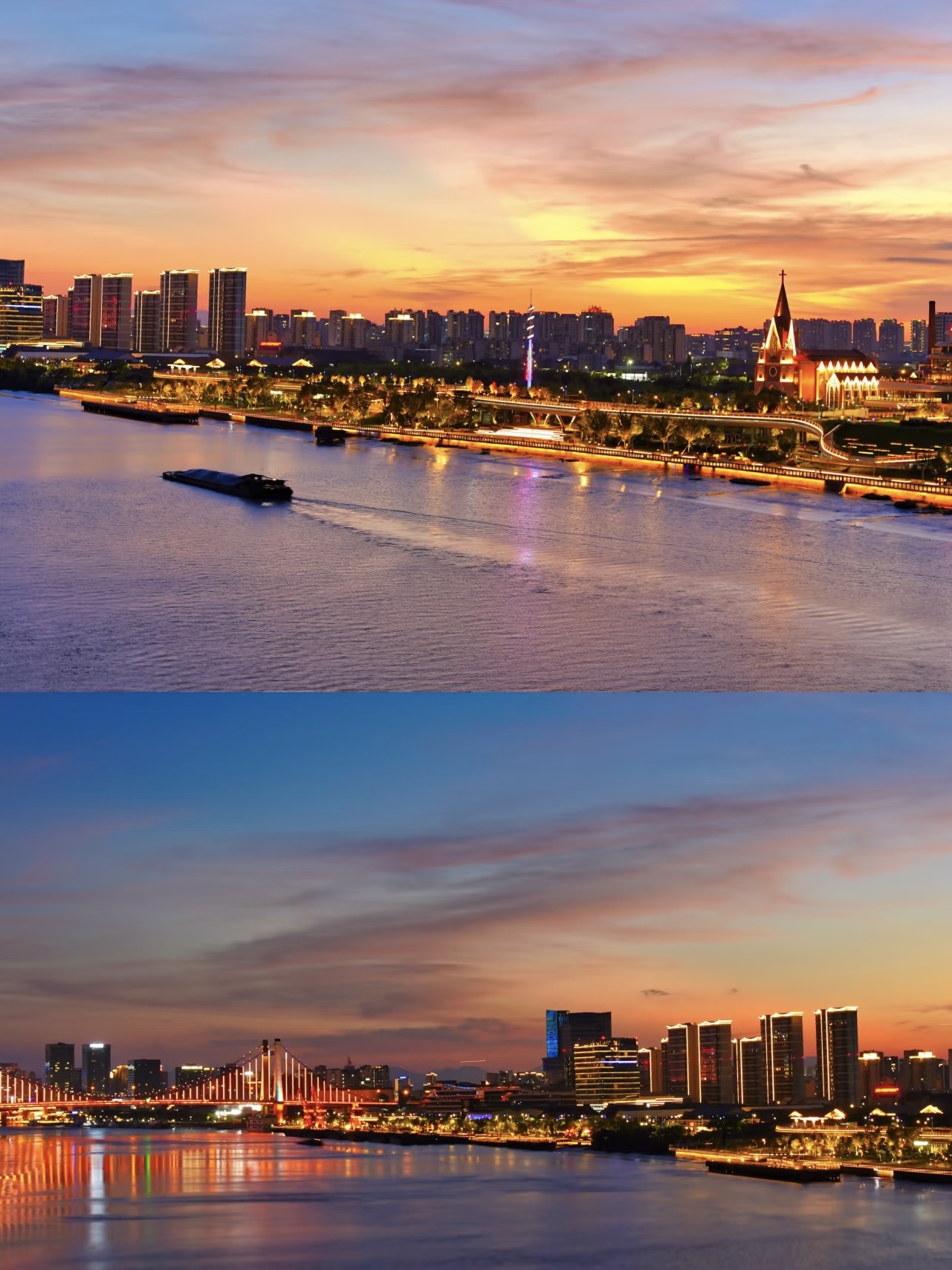
Ningbo Old Bund sits near the meeting of the Yong, Yao, and Fenghua rivers, and it gives the city a very different mood from Tianyi Pavilion. This was one of China’s early treaty-port waterfronts, and its old warehouses, churches, former commercial buildings, cafés, bars, and riverside paths still suggest a city shaped by overseas trade. Visitors who know Shanghai’s Bund may be surprised to learn that Ningbo’s waterfront history is often described as older, smaller, and more intimate.
The Old Bund works best late in the afternoon or after dark. During the day, you can read the architecture, notice the river traffic, and imagine how merchants and shipping routes made Ningbo outward-looking. At night, the area becomes livelier, with restaurants, lights, and people walking along the water. It is a good place for dinner or a relaxed drink after a day of sightseeing. The most rewarding approach is not to rush through it as a photo stop, but to let the riverfront explain Ningbo’s modern identity in layers.
Dongqian Lake 东钱湖
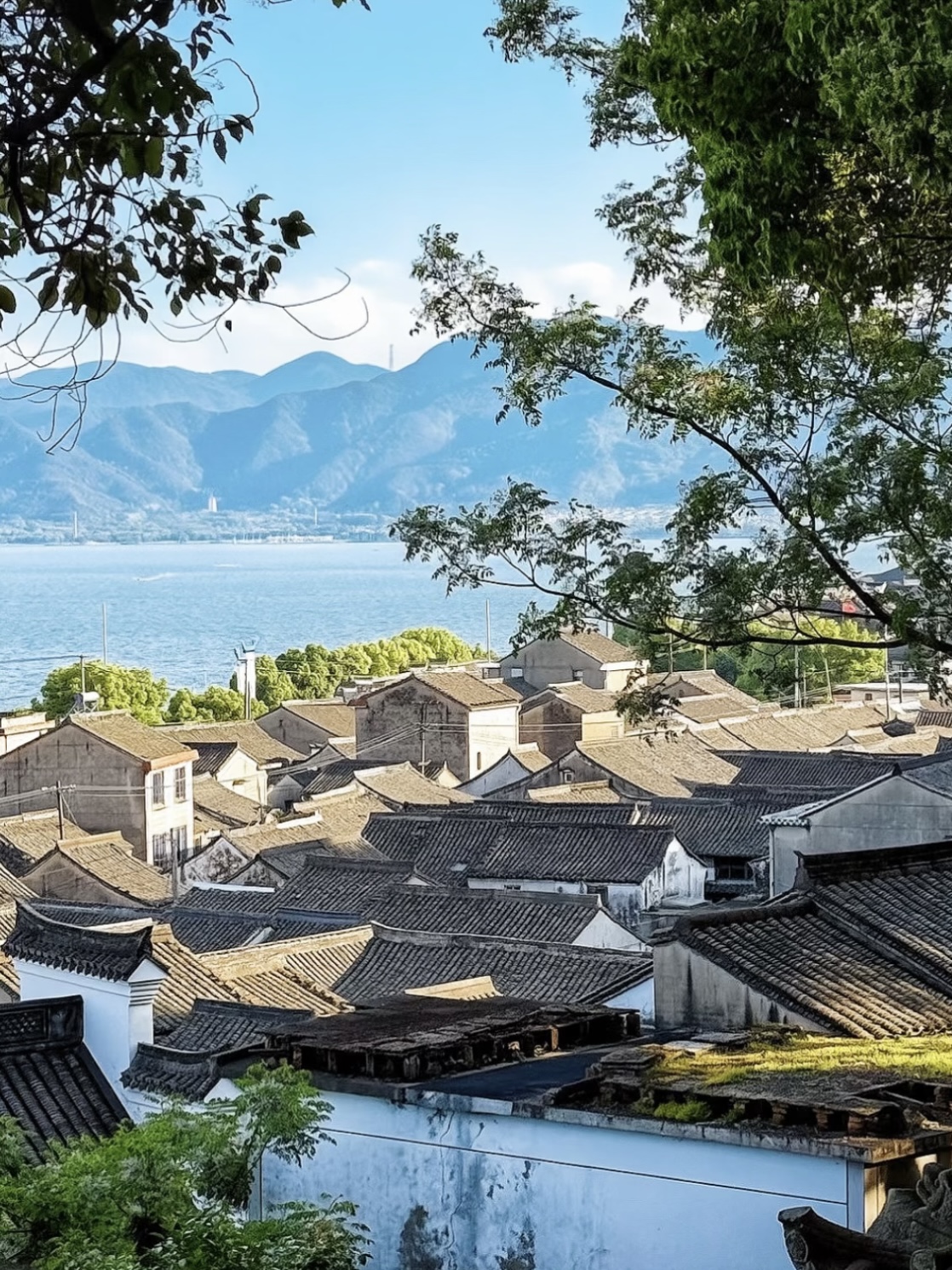
click here to see the map pin📍
Dongqian Lake is Ningbo’s breathing space, a broad freshwater lake southeast of the city center that gives the weekend a necessary change of scale. After old buildings and urban streets, the lake introduces open water, wooded slopes, cycling routes, temples, villages, and resort-style leisure. It is not a tiny ornamental lake but a real landscape, large enough that visitors should choose one area instead of trying to circle everything. The best plan is to treat it as a half-day escape rather than a quick detour.
For first-time visitors, the lake is most useful as a place to slow down. Walk near the lakeside, take a boat if conditions are suitable, or choose one scenic pocket such as Xiaoputuo or a lakeside village area. The atmosphere is softer than Ningbo’s commercial core and less crowded than some famous Jiangnan lakes. It also helps balance the article’s route: Ningbo becomes not only a port and cultural city, but a place where mountains and water still shape local leisure. Bring comfortable shoes, because the distances can be deceptive.
Ashoka Temple 阿育王寺

click here to see the map pin📍
Ashoka Temple is one of Ningbo’s most important Buddhist sites, located away from the densest city center in a quieter eastern area. Its history reaches back many centuries, and the temple is traditionally associated with Buddhist relic worship, pilgrimage, and the wider religious networks of the region. Compared with urban temples that feel squeezed between shops and roads, Ashoka Temple has a more spacious, contemplative quality. Halls, incense, old trees, and surrounding hills create a different rhythm from the riverfront and library stops.
This stop gives the itinerary spiritual depth without making the trip difficult. It is best visited with enough time to move respectfully and quietly rather than just taking exterior photos. Even for visitors who are not Buddhist, the temple offers a way to understand how Ningbo connected maritime routes, religious travel, and regional culture. Because it sits outside the core sightseeing cluster, combine it with Dongqian Lake or treat it as a focused morning outing. Check transport timing carefully, especially if you are relying on taxis for the return.
Nantang Old Street 南塘老街
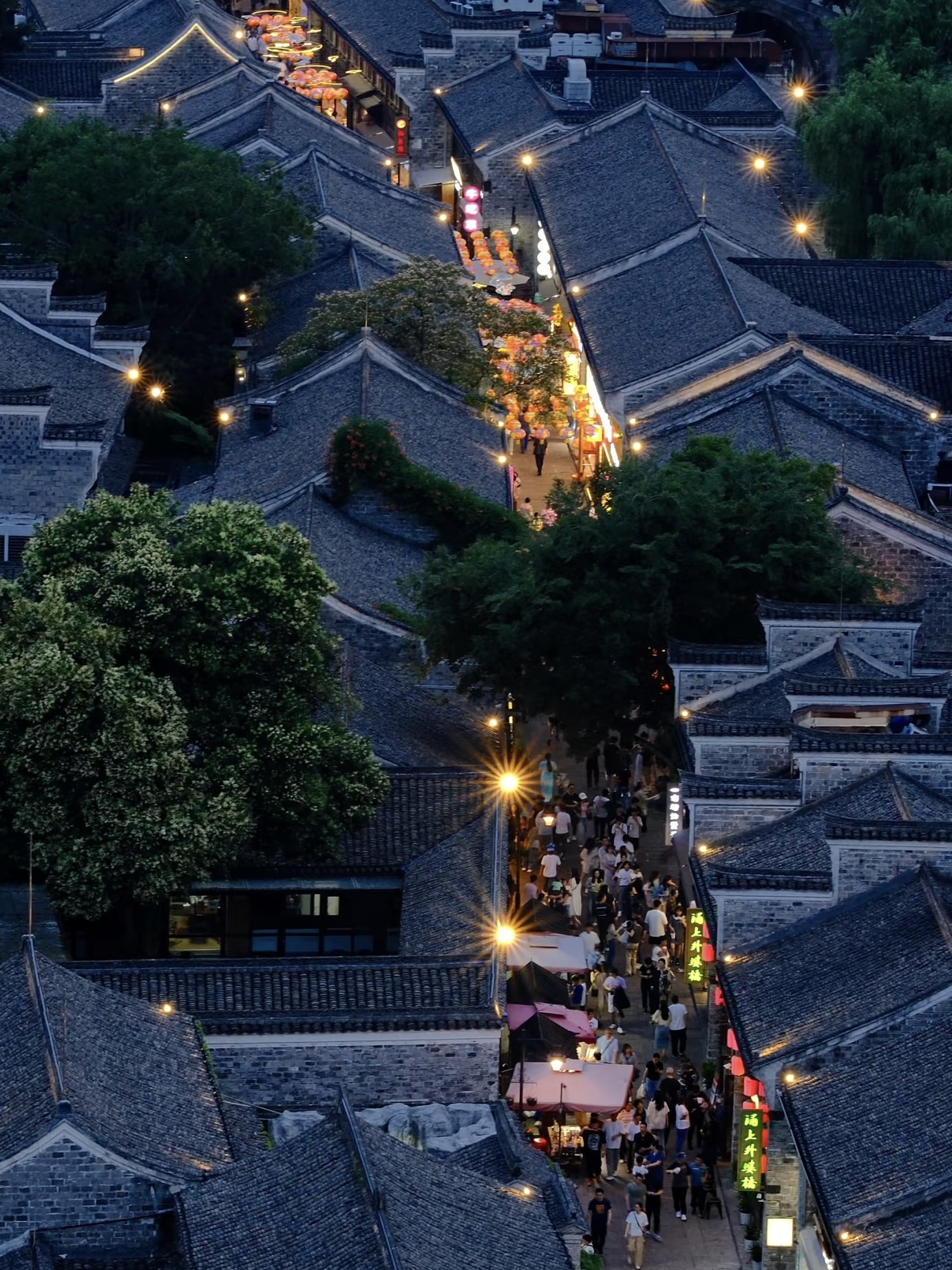
click here to see the map pin📍
Nantang Old Street is the easy, food-friendly ending that a Ningbo weekend needs. Located not far from Ningbo Railway Station, it has been restored as a pedestrian-style commercial street with traditional-looking façades, snack shops, small restaurants, souvenir stores, and local specialties. It is not the oldest or quietest place in the city, but it is extremely practical for travelers: simple to reach, easy to navigate, and full of things to taste without committing to a formal banquet.
Visit in the late afternoon or evening, when the street feels more animated and the food choices become the main attraction. Look for Ningbo-style tangyuan, seafood snacks, rice cakes, pastries, and small dishes that show the city’s preference for glutinous textures and coastal flavors. Nantang Old Street is also useful before departure because of its location near the station area. If the rest of the itinerary has been about heritage and landscape, this final stop brings the trip back to appetite, souvenirs, and ordinary weekend pleasure.
Ningbo Cuisine
Ningbo cuisine is shaped by the sea, rivers, and a strong local preference for freshness, saltiness, and preserved flavors. It belongs broadly to the Zhejiang food world, but it has a personality of its own: seafood appears constantly, rice-based snacks matter, and glutinous textures are treated with affection rather than as a novelty. Visitors should expect flavors that are cleaner and more briny than fiery. A good Ningbo meal may include steamed fish, shellfish, crab, rice cakes, pickled vegetables, and a sweet bowl of black sesame tangyuan at the end.
The most important advice is to eat both formally and casually. One seafood dinner near the Old Bund or in a reputable local restaurant gives the city its coastal identity, while Nantang Old Street or neighborhood breakfast shops reveal the snack side. Ningbo food can be surprising for foreigners because some famous items are fermented, preserved, or texturally sticky. That is exactly why it is worth trying: the city’s cuisine is not designed only for tourists. It reflects a practical port culture where preservation, seasonal seafood, and rice-based comfort foods all sit at the same table.
Ningbo Tangyuan 宁波汤圆
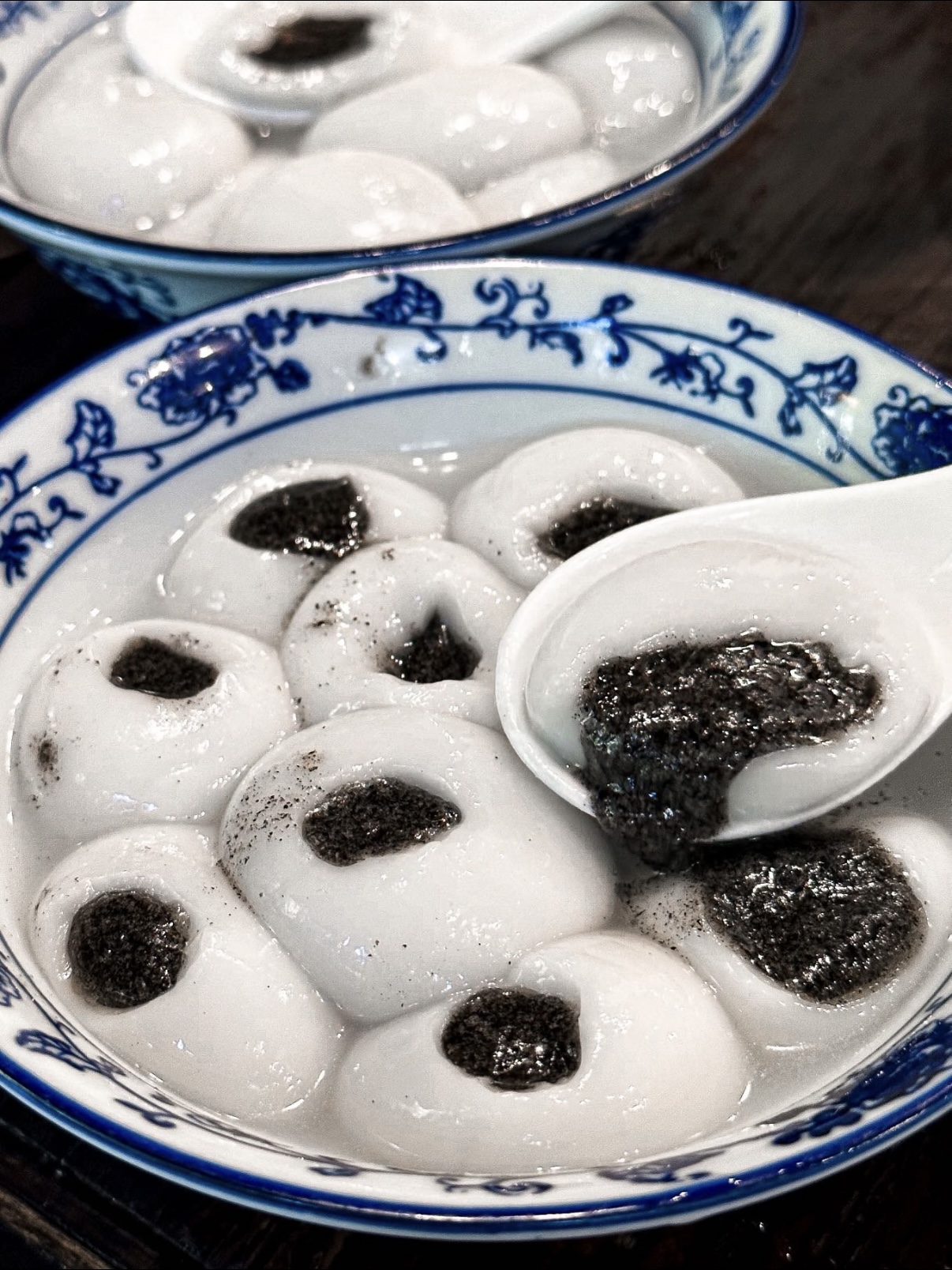
Ningbo Tangyuan is the city’s most famous sweet food. The classic version uses glutinous rice dough filled with black sesame paste and lard, creating a soft, chewy exterior and a rich, flowing center. It is especially comforting in cool weather, but it works at any time as a small dessert that feels deeply local rather than decorative.
Seafood Noodles 海鲜面
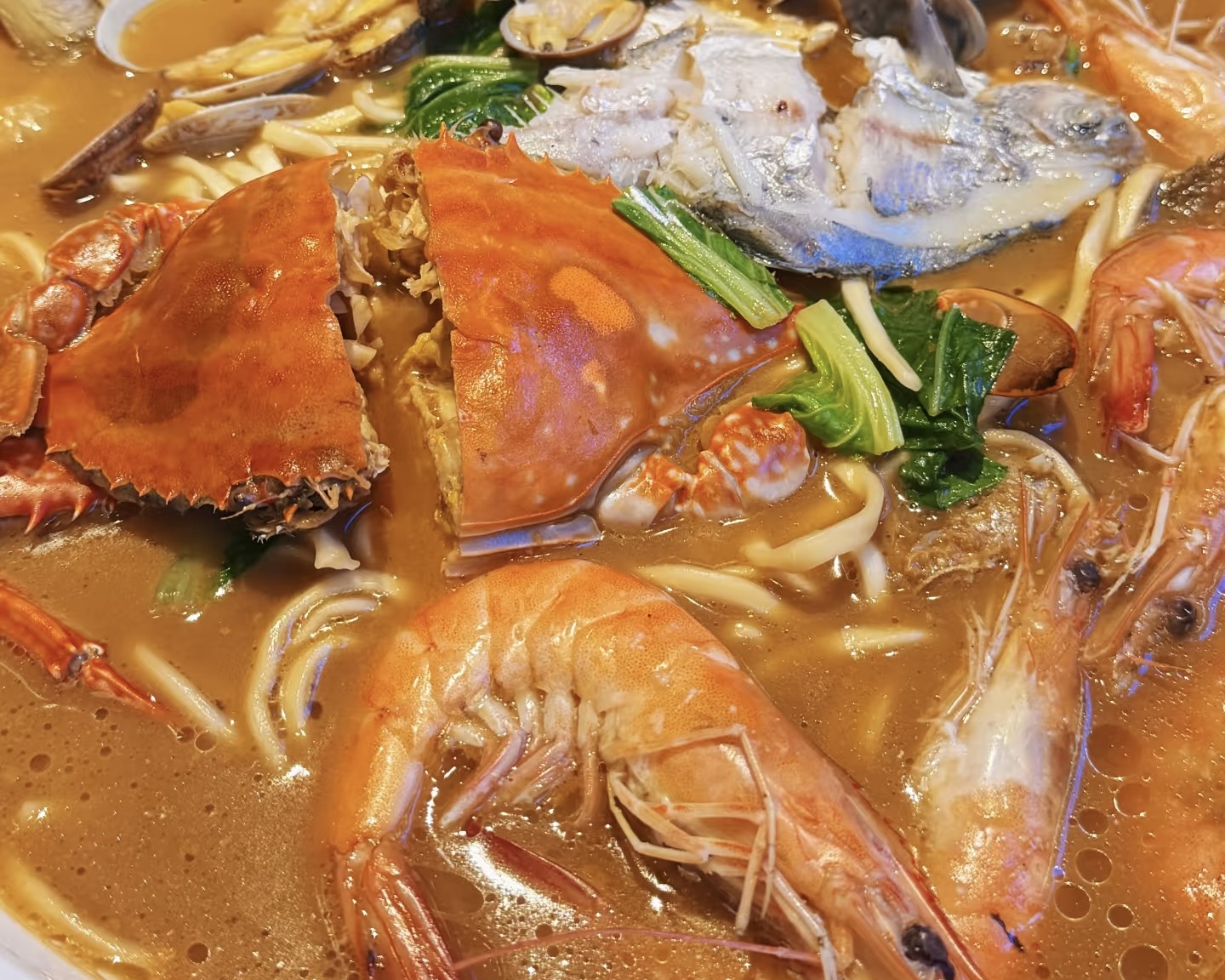
Seafood noodles are a practical way to taste Ningbo’s coastal character without ordering a large banquet. Depending on the shop and season, the bowl may include shrimp, clams, crab, fish, or shellfish in a savory broth. The best versions taste fresh and briny rather than heavy, making them ideal for lunch between sightseeing stops.
Yellow Croaker with Pickled Mustard Greens 雪菜黄鱼

Yellow Croaker with Pickled Mustard Greens is a classic Ningbo flavor combination. The fish brings sweetness and tenderness, while the preserved greens add salt, acidity, and depth. It captures the local genius for pairing fresh seafood with preserved ingredients, a habit that developed naturally in a coastal trading city with strong home-cooking traditions.
Ningbo Rice Cakes 宁波年糕
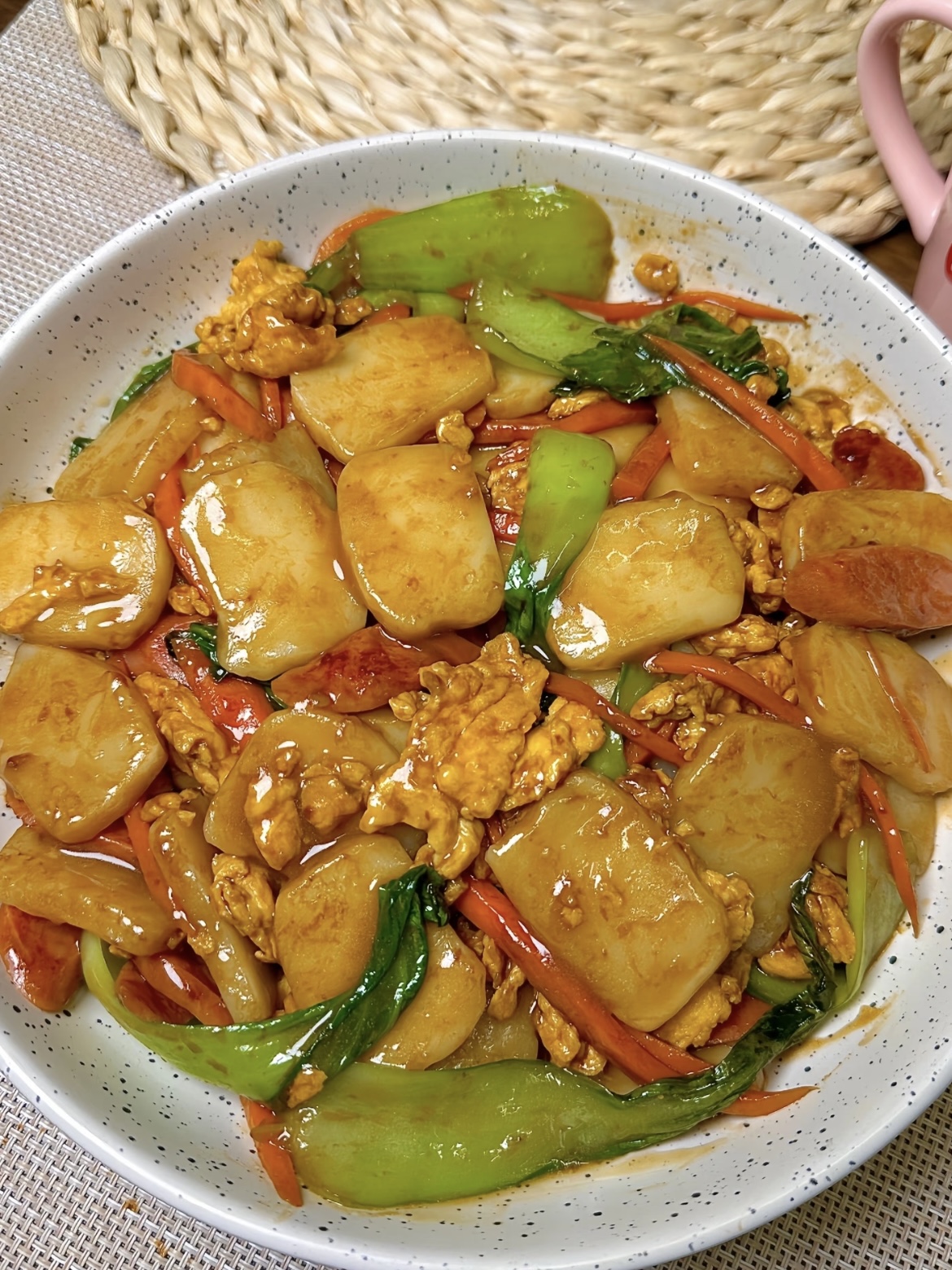
Ningbo rice cakes are chewy, mild, and extremely versatile. They can be stir-fried with vegetables, seafood, crab, or pickled greens, turning a simple rice product into a filling local meal. Foreign visitors often find the texture memorable because it is soft and elastic at the same time, especially when served hot from the wok.
Red-Paste Crab 红膏炝蟹
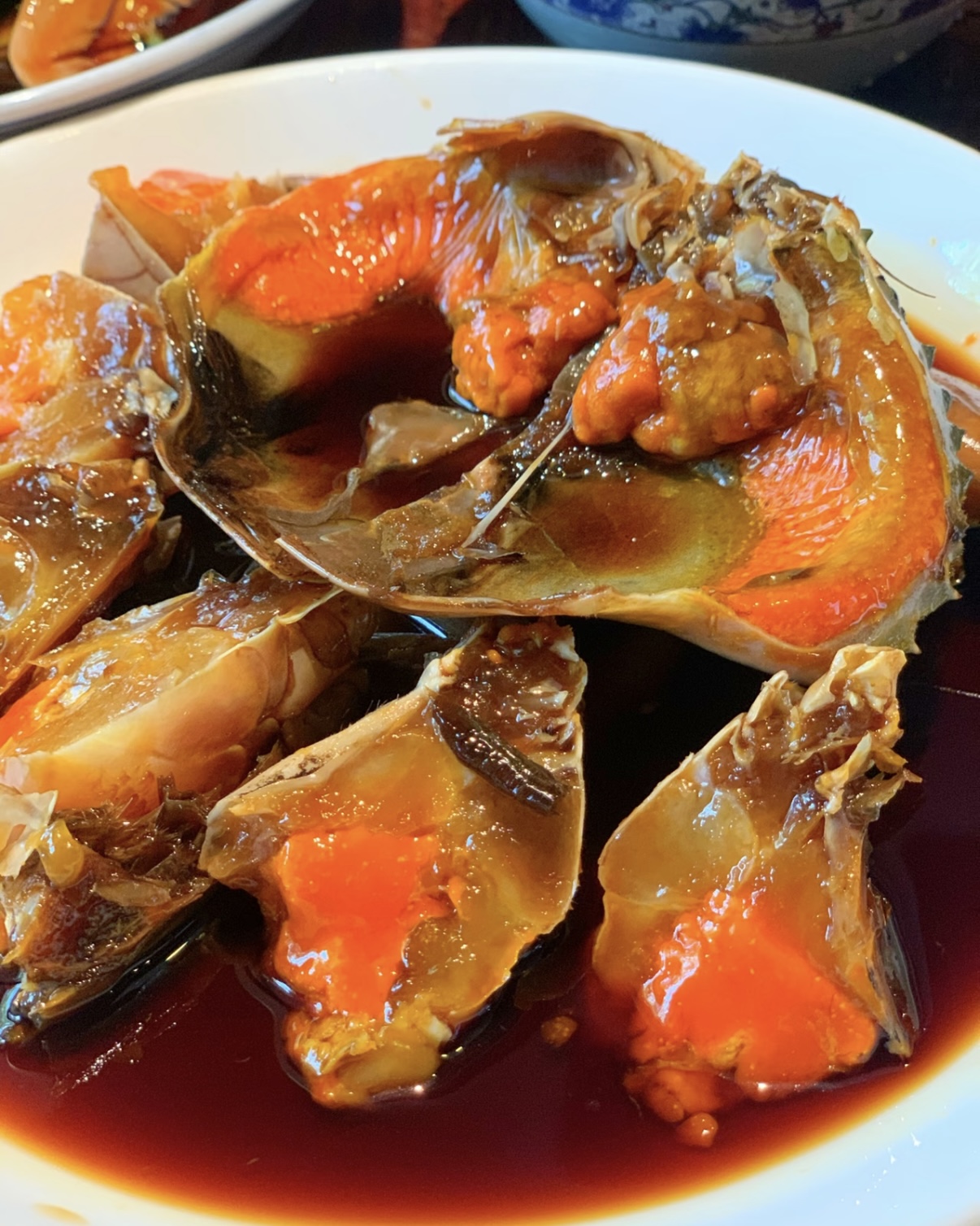
Red-Paste Crab is one of Ningbo’s boldest seafood specialties, often associated with salted or lightly cured crab rich in roe. It is not necessarily the easiest dish for every first-time visitor, but it expresses the city’s love of intense marine flavor. Order it at a reliable restaurant and share it, because its richness works best as part of a wider table.
Best Time to Visit
Spring and autumn are the easiest seasons for a Ningbo weekend. From March to May, the weather is mild enough for Tianyi Pavilion, Moon Lake, the Old Bund, and Dongqian Lake without too much heat, while fresh greenery makes the lake and temple areas more pleasant. Autumn, especially September to November, is even better for walking because humidity drops and seafood dining feels especially satisfying. These seasons also make it easier to combine urban and outdoor stops without constantly planning around extreme temperatures.
Summer can be hot, humid, and occasionally affected by coastal weather, so build in indoor breaks and check forecasts carefully. Dongqian Lake is still attractive, but midday exposure can be tiring, and typhoon-season rain may disrupt plans. Winter is quieter and can be a good choice for museums, temples, hot bowls of noodles, and tangyuan, though lake scenery is less lush. For teachers traveling on a normal weekend, the best rhythm is Friday evening arrival, Saturday for the old city and Old Bund, and Sunday for Dongqian Lake or Ashoka Temple before a late train home.
Transportation in Ningbo
Ningbo is very convenient by high-speed rail. Ningbo Railway Station sits close to the city center and works well for travelers coming from Shanghai, Hangzhou, Shaoxing, Wenzhou, Suzhou, or Nanjing. From the station, taxis and ride-hailing services can quickly reach Tianyi Pavilion, Nantang Old Street, and the hotel districts around Haishu or Jiangbei. Ningbo Lishe International Airport is useful for longer domestic trips, but for most teachers already in eastern China, the train is simpler, more predictable, and better aligned with a two-day itinerary.
Within the city, group sights by geography. Tianyi Pavilion, Moon Lake, Nantang Old Street, and the central hotel areas are relatively easy to connect, while the Old Bund sits across the river in Jiangbei and is best saved for sunset or dinner. Dongqian Lake and Ashoka Temple require more time because they are farther from the core; use taxis, ride-hailing, or metro-plus-taxi combinations rather than trying to force everything into one rushed loop. Ningbo is not hard to navigate, but the weekend works best when each half-day has a clear cluster and enough breathing room.
A 2-Day Travel Itinerary
Day 1: Start at Tianyi Pavilion (天一阁), then continue to Ningbo Old Bund (老外滩), and finish at Dongqian Lake (东钱湖). Go early so the first stop feels atmospheric rather than crowded, then treat Tianyi Pavilion (天一阁), Ningbo Old Bund (老外滩), and Dongqian Lake (东钱湖) as one connected zone instead of a checklist. Plan a meal stop for Ningbo Tangyuan (宁波汤圆) so the route also carries a clear local food moment. Use short taxi or metro hops only when the distance opens up; otherwise keep the route walkable so you can absorb storefronts, lanes, and daily local life between headline sights. By late afternoon, slow the tempo near the final stop for tea, photos, or riverfront streets so the day still feels like a weekend outing instead of a race.
Day 2: Start at Ashoka Temple (阿育王寺), then finish at Nantang Old Street (南塘老街). Keep the sequence practical through Ashoka Temple (阿育王寺) and Nantang Old Street (南塘老街) so every listed stop remains visitable and you are not forced into backtracking. Plan a meal stop for Seafood Noodles (海鲜面) so the route also carries a clear local food moment. Start a little earlier if one site needs extra museum time, then use the middle of the day for the longest transfer and leave the final stop for a slower wrap-up. Save a little buffer for viewpoints, souvenir shopping, or one last neighborhood walk so the trip can end cleanly before departure.
Ningbo is a weekend city where books, rivers, temples, lake air,
and seafood quietly reveal how much history can live inside an easy coastal escape.