
Haikou(海口): The Tropical Soul of Hainan Island
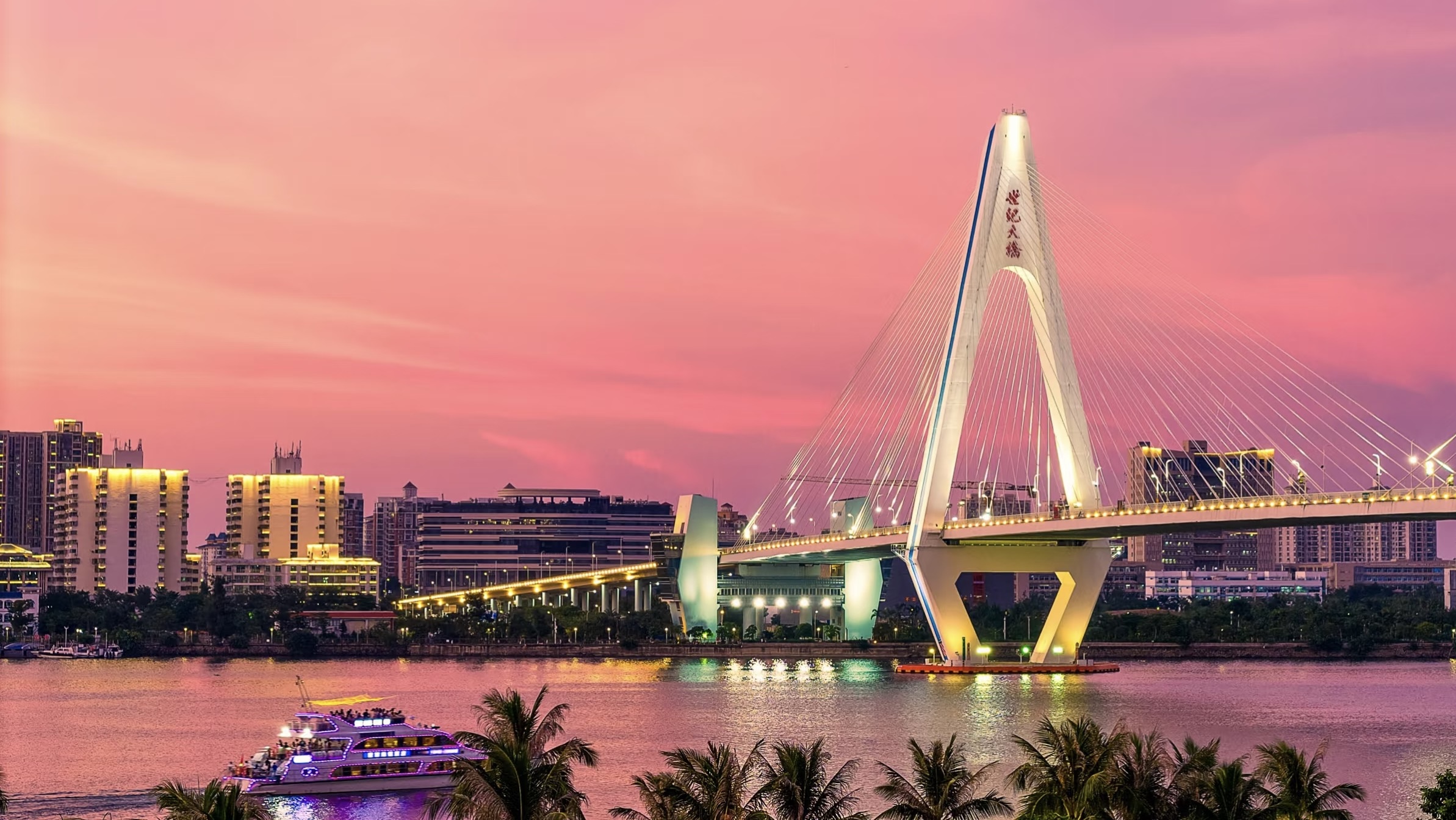
Often overshadowed by its glamorous southern sibling, Sanya, Haikou is the vibrant, culturally rich capital of Hainan Province that rewards travelers willing to look beyond the resort strips. This bustling port city serves as the gateway to the island, blending modern urban development with centuries of maritime history and tropical charm. Strolling through the leafy streets, you will notice a distinct blend of architectural styles, from colonial-era arcades to sleek contemporary skyscrapers. The air here carries the scent of saltwater and blooming bougainvillea, creating an atmosphere that is both energetic and deeply relaxing. Unlike purely leisure-driven southern destinations, Haikou offers an authentic glimpse into local island life, where morning tea ceremonies and lively night markets dictate the daily rhythm. It is a city that invites you to slow down, sip a freshly cracked coconut, and discover the true heartbeat of tropical China.
Beyond its immediate urban appeal, Haikou acts as a fantastic base for exploring the island’s volcanic landscapes, lush wetlands, and historic villages. The city’s infrastructure is highly developed, boasting excellent transportation links, excellent museums and a thriving culinary scene that highlights the unique flavors of Hainanese cuisine. Visitors can spend their mornings wandering through ancient neighborhoods, their afternoons cycling along scenic coastal promenades, and their evenings indulging in spicy seafood feasts under the stars. The locals are famously welcoming, always ready to share a story or recommend a hidden neighborhood eatery. Whether you are a history enthusiast eager to explore Ming Dynasty fortifications or a foodie hunting for the perfect bowl of noodles, Haikou provides a multifaceted travel experience. It is an authentic, unpretentious destination that captures the essence of island living while offering all the comforts of a modern Chinese metropolis.
The Places You Absolutely Must Visit:
Qilou Old Street 海口骑楼老街
click here to see the map pin📍
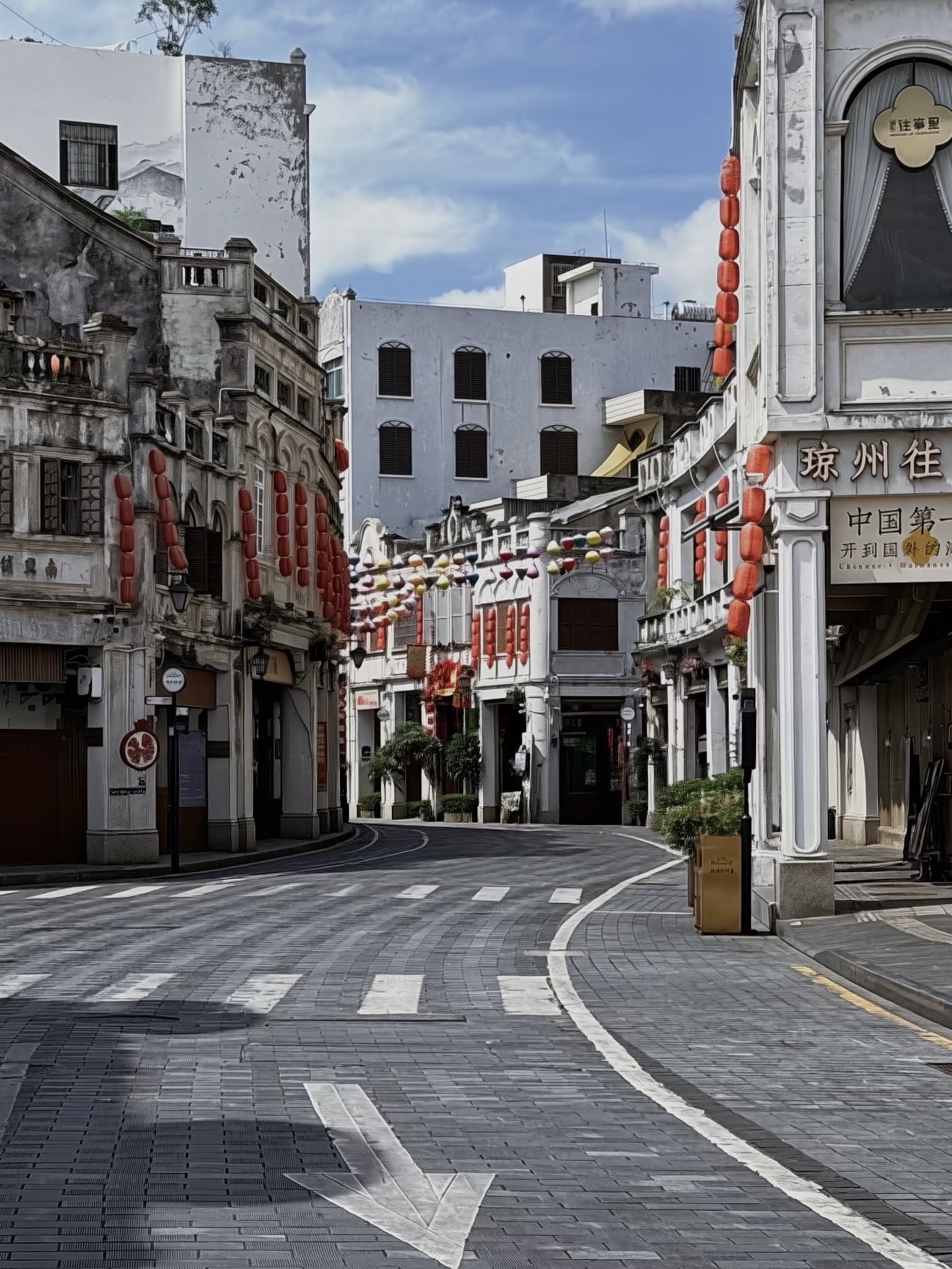
Qilou Old Street is an architectural time capsule that transports visitors back to the late nineteenth and early twentieth centuries. The neighborhood is defined by its iconic arcade buildings, known as “qilou,” which feature Southeast Asian and European colonial influences blended with traditional Chinese motifs. These covered walkways were originally designed to protect pedestrians from the intense tropical sun and sudden monsoon downpours. Today, the meticulously restored facades house a vibrant mix of boutique cafes, local craft shops, and traditional medicine stores. Walking these cobblestone paths offers a fascinating visual journey through Haikou’s maritime trading history.
Beyond the striking architecture, this historic district is a living hub of local culture and daily commerce. Elderly residents gather in the shaded arcades to play chess, sip tea, and chat, while vendors sell everything from dried seafood to intricate wood carvings. The area truly comes alive in the late afternoon when the golden hour light highlights the ornate plasterwork on the upper floors. Several small museums and cultural centers are tucked away within the lanes, providing deeper context about the overseas Chinese who returned to build these magnificent structures. It remains an essential stop for photographers and history lovers.
Haikou Volcanic Cluster Global Geopark 海口火山口地质公园
click here to see the map pin📍
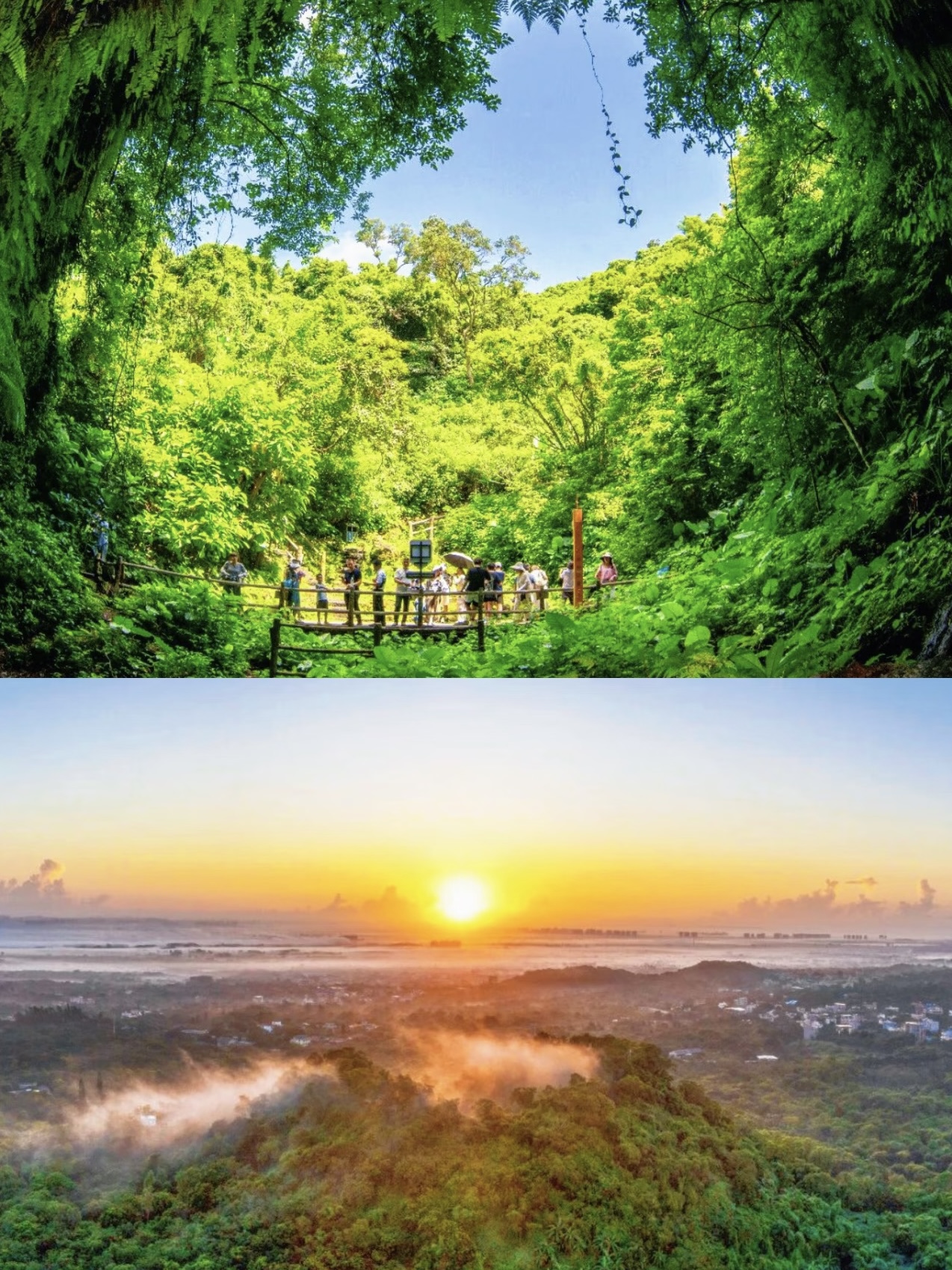
Located just outside the city center, this geopark preserves a dormant volcanic cluster that last erupted over ten thousand years ago. The main attraction is the Ma’an Ridge crater, which visitors can reach by climbing a scenic stone staircase flanked by lush, tropical vegetation. The ascent takes you through a verdant landscape of banyan trees, ferns, and wild orchids that have colonized the porous volcanic rock. Reaching the rim rewards you with panoramic views of the surrounding countryside and the deep, bowl-shaped crater below. The park serves as a massive natural oxygen bar and a geological wonderland.
At the base of the crater, the park features a network of hiking trails that wind through ancient lava tubes and basalt formations. Informative signage explains the geological processes that shaped this unique landscape, making it an educational experience for families and nature enthusiasts. The surrounding villages have historically utilized the porous volcanic rocks to build their homes and craft everyday tools, a tradition showcased in the park’s cultural exhibition areas. After exploring the trails, visitors can relax in the shaded picnic areas or sample local volcanic ash-grown fruits at the park’s entrance markets.
Holiday Beach 假日海滩
click here to see the map pin📍
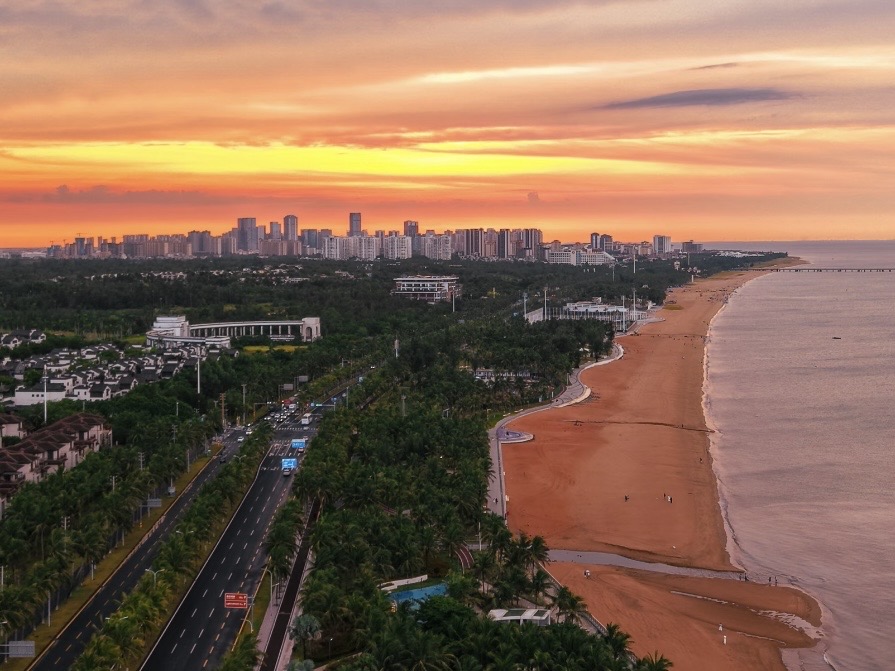
Stretching along the western coastline, Holiday Beach is Haikou’s public seaside destination, offering a long sweep of soft sand and swaying coconut palms. Unlike the exclusive resort beaches in the south, this expansive shoreline is deeply integrated into the local lifestyle. Families build sandcastles, friends play beach volleyball, and couples stroll along the paved coastal promenade as the sea breeze provides a welcome escape from the urban heat. The water is generally calm, making it suitable for casual swimming and wading, while the wide horizon offers spectacular, unobstructed views of the setting sun over the Qiongzhou Strait.
The area surrounding the beach is well-equipped with amenities, including open-air seafood restaurants, rental kiosks, and clean public facilities. In the evenings, the shoreline transforms into a lively social hub where locals gather to enjoy grilled skewers and cold beer under strings of colorful lights. Water sports enthusiasts can rent jet skis or banana boats, while those seeking relaxation can simply lay out a mat beneath the shade of the coastal trees. It is an accessible spot that perfectly captures the laid-back, recreational spirit of Haikou’s coastal culture without the premium price tag of private resorts.
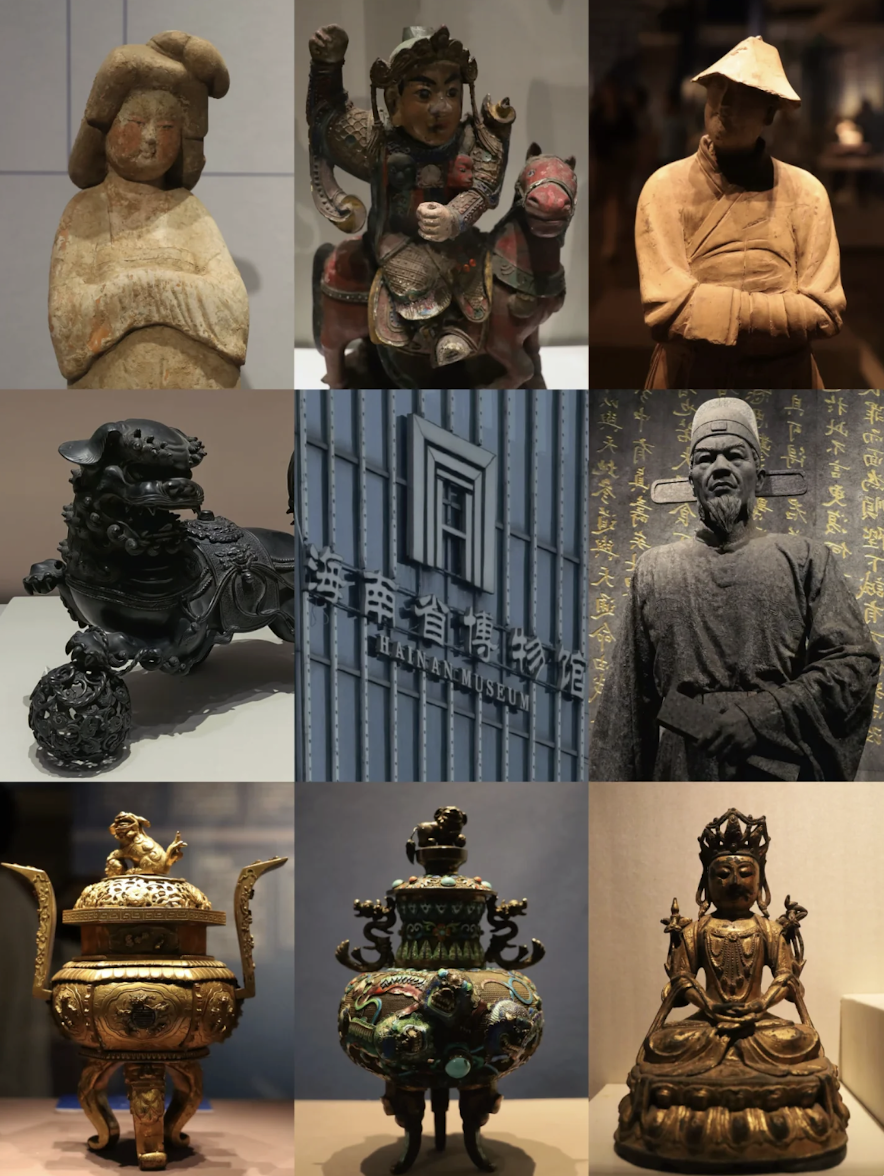
Hainan Provincial Museum 海南省博物馆
click here to see the map pin📍
As the premier cultural institution in the province, the Hainan Provincial Museum offers a comprehensive exploration of the island’s rich heritage. The modern, airy building houses extensive exhibitions covering everything from the indigenous Li and Miao ethnic minorities to the maritime history of the South China Sea. Highlights include intricately woven traditional textiles, ancient bronze drums, and detailed dioramas of historical village life. The maritime section is particularly fascinating, showcasing salvaged artifacts from ancient shipwrecks and explaining Hainan’s crucial role in the historical Silk Road of the Sea.
The museum’s layout is intuitive, guiding visitors chronologically and thematically through the island’s evolution. Interactive displays and multimedia presentations make the historical narratives engaging for younger travelers and non-Chinese speakers, aided by excellent English translations throughout the main galleries. Temporary exhibitions often feature contemporary art or specialized historical deep-dives, ensuring there is always something new to discover. Located in the bustling Guoxing Avenue cultural district, the museum is surrounded by other civic buildings and parks, making it an easy and rewarding stop on any city itinerary, especially during the hottest or rainiest parts of the day.
Wanlv Park 万绿园
click here to see the map pin📍
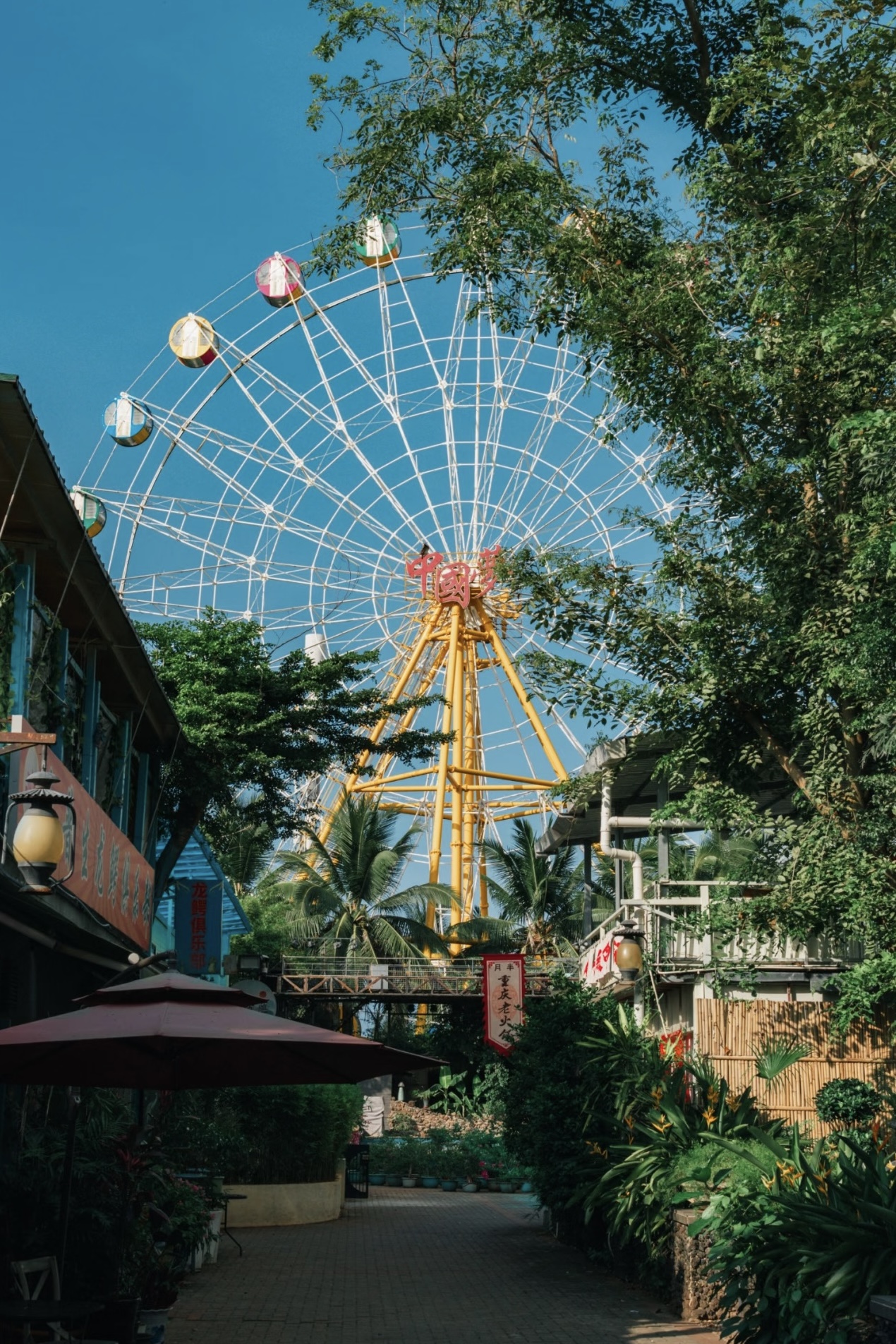
Translating to “Ten Thousand Greenery Park,” this urban oasis is a testament to Haikou’s commitment to green spaces and environmental harmony. Situated on a reclaimed peninsula along the coast, the park features vast manicured lawns, winding walking paths, and over ten thousand coconut trees that create a stunning tropical canopy. It is a beloved sanctuary for city dwellers who come here to jog, practice morning tai chi, or fly elaborate kites in the ocean breeze. The sheer scale of the park provides a breathtaking visual contrast to the dense urban skyline that frames it to the south.
Wanlv Park is not just a place for passive relaxation; it is a center for community events, outdoor concerts, and weekend family gatherings. Bicycle rentals are readily available, allowing visitors to explore the extensive network of paved trails that loop around the perimeter and through the interior groves. Along the northern edge, a scenic seawall offers uninterrupted views of the ocean and the passing cargo ships navigating the nearby strait. As dusk falls, the park’s ambient lighting illuminates the pathways, creating a romantic and peaceful environment that perfectly encapsulates the relaxed, tropical lifestyle of Haikou.
Haikou Cuisine
Hainanese cuisine is a delightful revelation for travelers, characterized by its emphasis on fresh, local ingredients and relatively mild, natural flavors that highlight the island’s abundant resources. Unlike the fiery spice profiles of Sichuan or the heavy sauces of the north, Haikou’s culinary tradition relies on precise cooking techniques like poaching, steaming, and light stir-frying. The island’s tropical climate provides a year-round bounty of succulent seafood, free-range poultry, and exotic fruits, which form the foundation of almost every meal. Dining here is an inherently communal and relaxed affair, often taking place in breezy, open-air pavilions where the boundary between the kitchen and the tropical outdoors beautifully blurs.
Beyond the famous dishes that have gained international recognition, Haikou boasts a vibrant street food and “night market” culture that is essential to the local dining experience. As the sun sets, bustling food streets ignite with the smoke of charcoal grills and the rhythmic clatter of woks, offering an overwhelming array of affordable, hyper-local delicacies. From savory rice noodle soups to sweet, coconut-based desserts, the street food scene provides an authentic taste of the city’s diverse regional influences, including historical ties to Southeast Asia. Exploring these vibrant culinary corridors is arguably the most exciting and delicious way to understand Haikou’s true cultural fabric.
Wenchang Chicken 文昌鸡
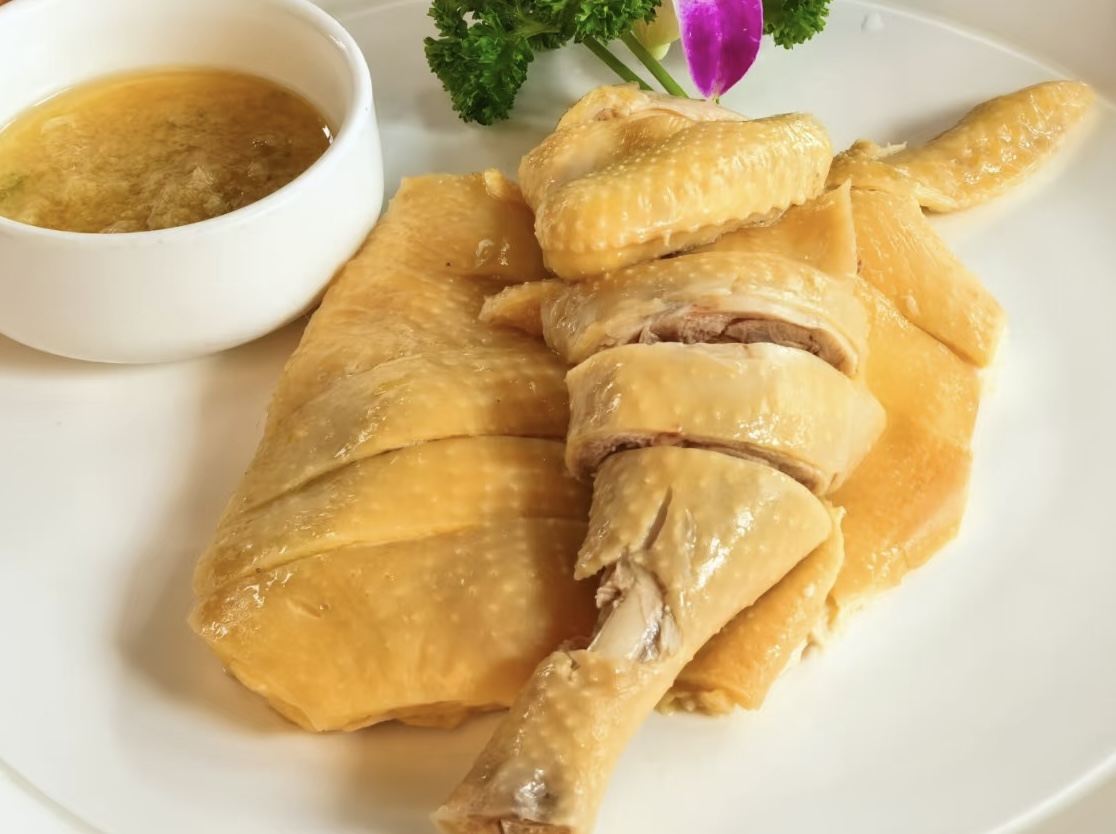
The crown jewel of Hainanese cuisine, this poached free-range chicken is celebrated for its tender meat and gelatinous, flavorful skin. The birds are traditionally fed a diet rich in coconut and peanut bran, which imparts a subtle sweetness. It is always served chopped on the bone at room temperature, accompanied by a vital dipping sauce made from minced garlic, ginger, soy sauce, and calamansi juice, allowing the pure, natural taste of the poultry to shine.
Hainanese Coconut Chicken Hotpot 椰子鸡火锅
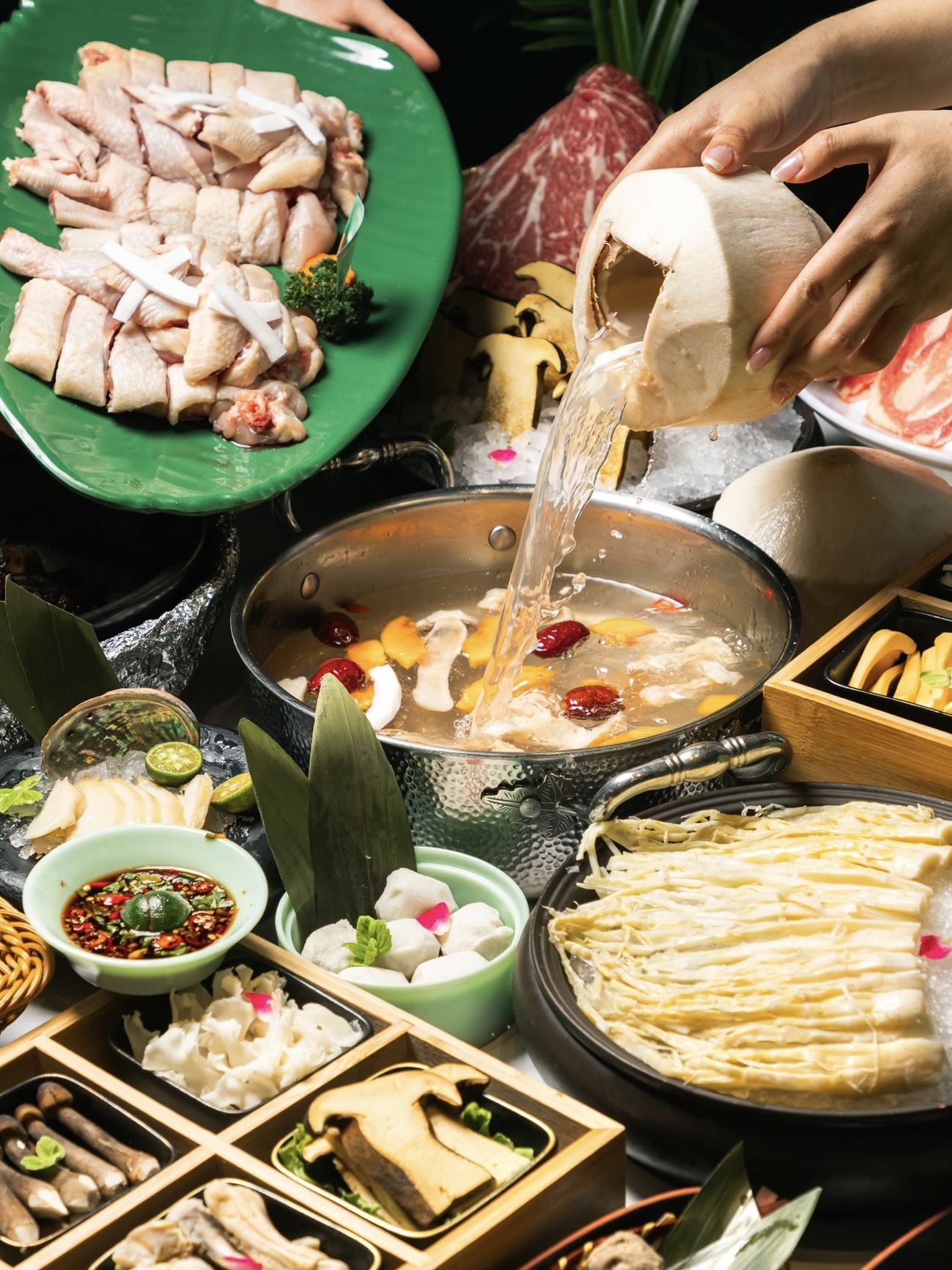
This refreshing hotpot uses pure, freshly pressed coconut water as its rich, naturally sweet broth. Tender slices of Wenchang chicken are briefly boiled in the bubbling liquid, resulting in incredibly succulent meat infused with tropical aromatics. Diners typically add local greens, mushrooms, and taro to the pot as the meal progresses. The accompanying dipping sauce, featuring soy sauce, fresh chili, and citrus, perfectly balances the inherent sweetness of the coconut broth.
Qingbuliang 清补凉
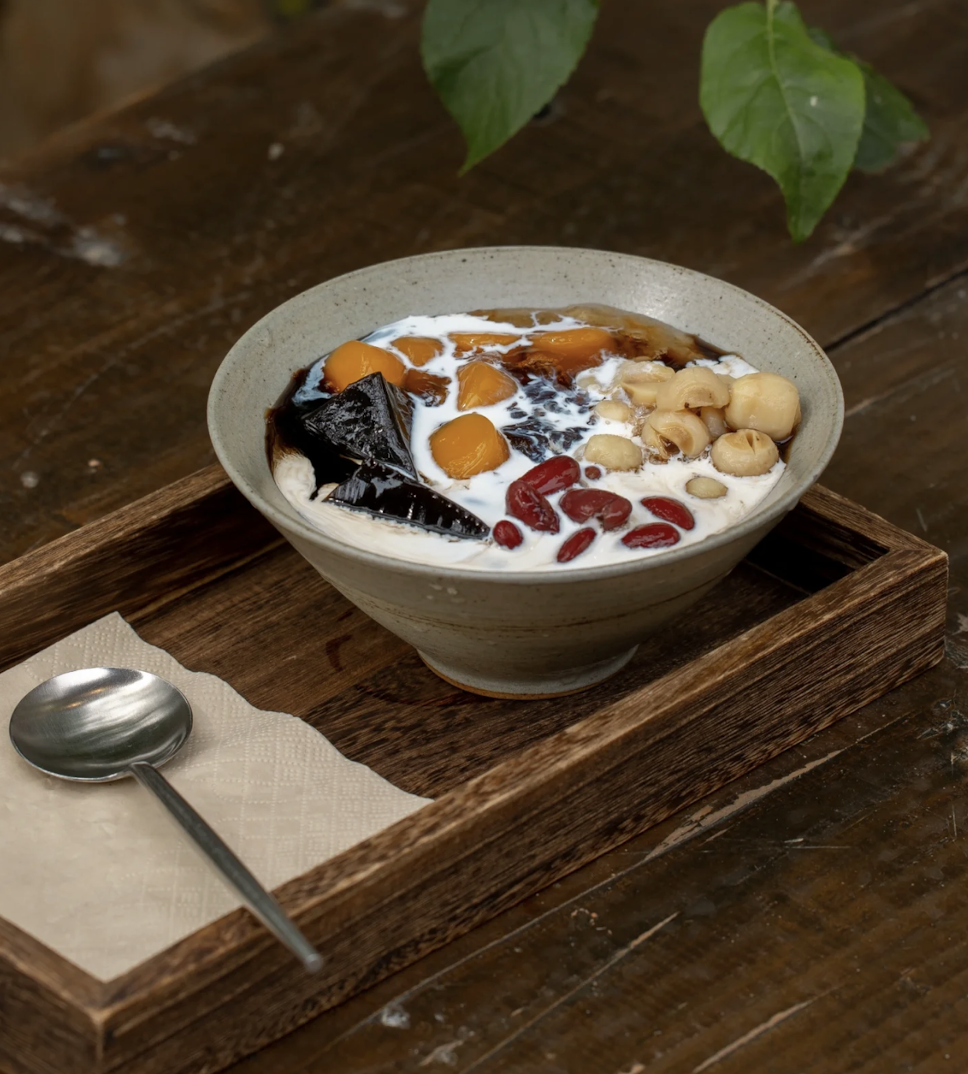
A local dessert and ultimate antidote to Haikou’s tropical heat, Qingbuliang is a complex, icy sweet soup. The base is usually rich coconut milk or sweetened water, loaded with a colorful array of ingredients like mung beans, red kidney beans, quail eggs, taro balls, macaroni, and fresh tropical fruits. Served ice-cold, it offers a fascinating mix of textures and temperatures, functioning as both a refreshing beverage and a filling, restorative evening snack.
Hainanese Rice Noodles 海南粉
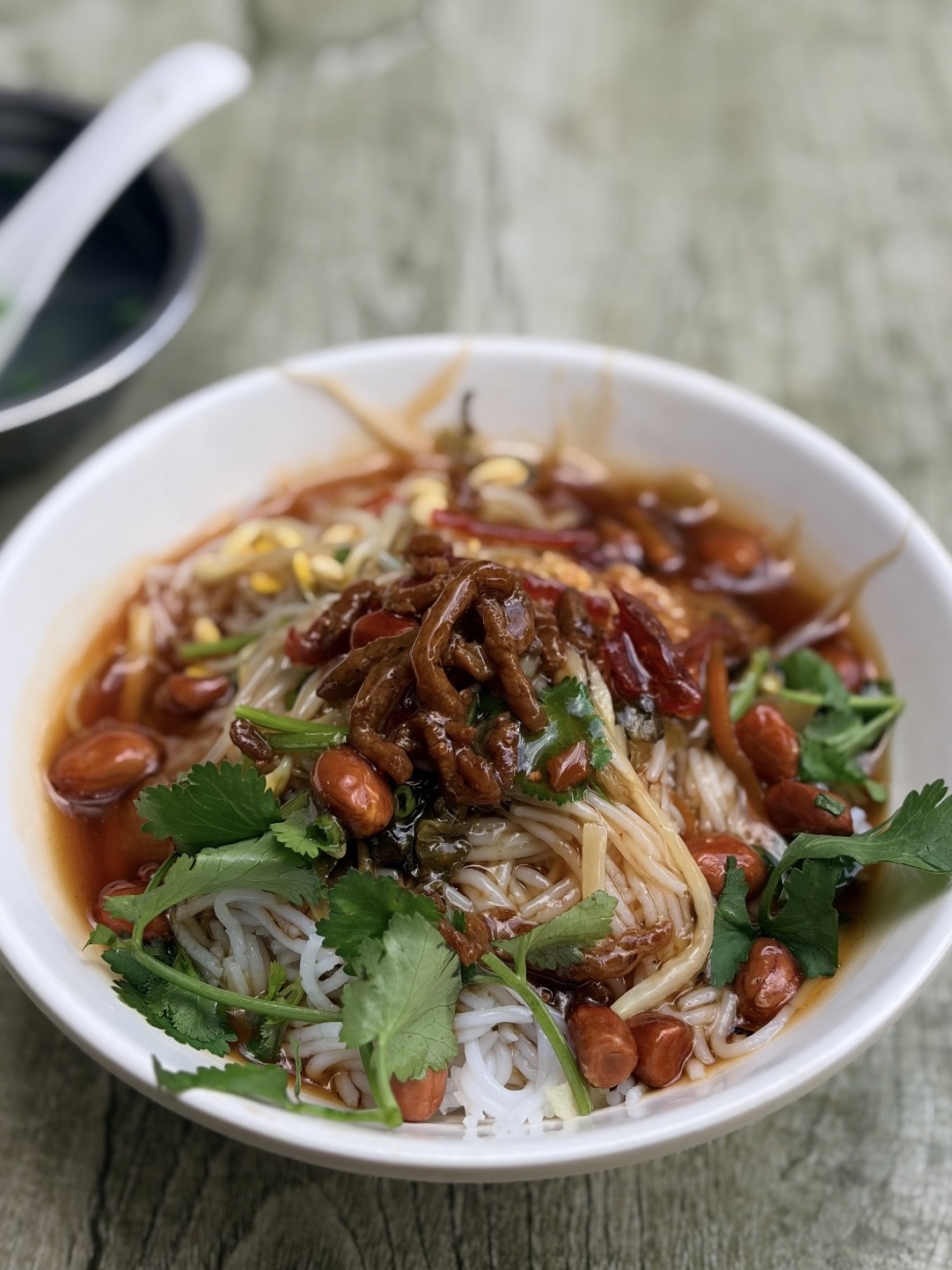
A breakfast staple, these thin, slippery rice noodles are typically served “dry” and tossed in a rich, savory, and slightly sweet thick gravy. The dish is generously topped with crunchy roasted peanuts, sesame seeds, bamboo shoots, dried tofu strips, and crispy pork or beef jerky. A squeeze of fresh calamansi and a spoonful of spicy yellow lantern chili paste elevate the complex flavor profile, making every bite a harmonious blend of textures.
Hele Crab 和乐蟹
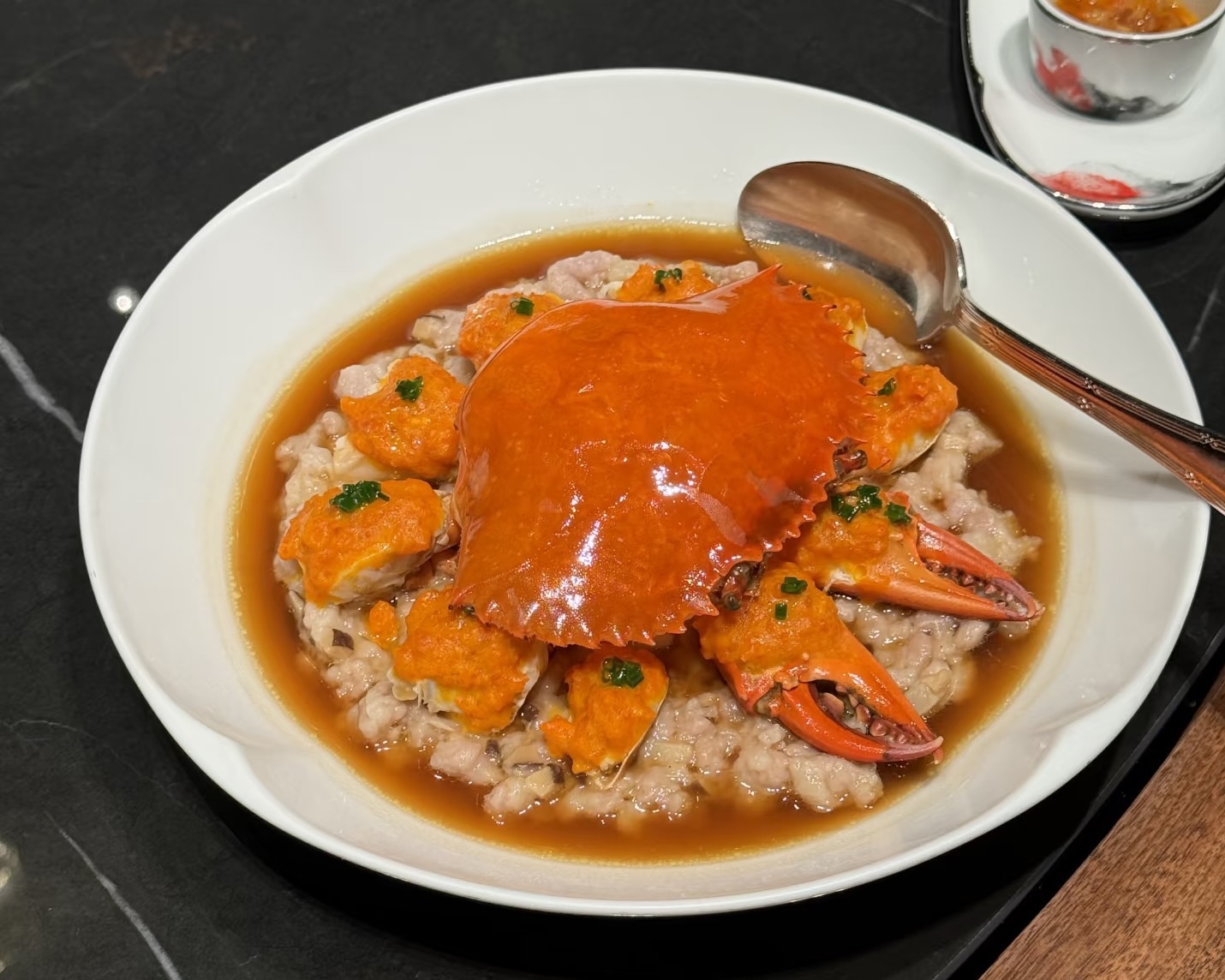
Sourced from the brackish waters of the island’s eastern coast, this specific mud crab is prized for its exceptionally firm meat and abundant, rich orange roe. While it can be prepared in various ways, locals overwhelmingly prefer it simply steamed with ginger and garlic to preserve its natural sweetness. The meat is sweet and succulent, while the roe is incredibly rich and savory, usually dipped in a sharp vinegar and ginger sauce to cut through the decadence.
Best Time to Visit
The most comfortable and popular time to visit Haikou is during the cooler, drier months stretching from November to early April. During this winter and spring window, the oppressive humidity drops significantly, and daytime temperatures hover in a highly pleasant range between twenty and twenty-five degrees Celsius. The skies are generally clear, offering brilliant sunshine for exploring outdoor attractions like the volcanic parks and coastal promenades without the risk of sudden tropical downpours. This season perfectly aligns with the migration of wintering birds to the local wetlands and the blooming of various tropical flora, making it an exceptionally scenic and comfortable period for extensive walking and sightseeing.
Conversely, the summer months from May to October bring intense heat and humidity, along with the occasional typhoon, which can disrupt travel plans and outdoor activities. However, this off-peak season has its own unique appeal for budget-conscious travelers and those who do not mind the tropical swelter. The island becomes incredibly lush and vibrantly green, and the frequent, brief afternoon showers provide a dramatic and cooling respite from the sun. If you choose to visit during this time, it is wise to plan indoor activities, such as museum visits or extended tea house sessions, during the hottest middle parts of the day.
Transportation in Haikou
Arriving in Haikou is highly convenient, primarily facilitated by the Haikou Meilan International Airport, which handles numerous domestic flights and several international routes. The airport is seamlessly connected to the city center via a dedicated high-speed railway station located directly beneath the terminal, allowing travelers to reach downtown hotels in under twenty minutes. Alternatively, many visitors arrive by train from mainland China via the unique Guangdong-Hainan cross-sea railway, which ferries entire passenger trains across the Qiongzhou Strait. The main Haikou Railway Station and the smaller Haikou East Station serve as major transit hubs, linking the capital to the rest of the island’s eastern and western coastal lines.
Navigating within Haikou is straightforward and affordable, thanks to a comprehensive public transportation network. The city’s bus system is extensive and air-conditioned, reaching almost all major attractions and suburban districts, while the newly opened tram line offers a scenic and efficient way to traverse the historic and coastal areas. Ride-hailing apps like DiDi are ubiquitous, reliable, and significantly cheaper than in tier-one Chinese cities, making them the preferred choice for direct point-to-point travel. For those who prefer to explore at their own pace, shared bicycles and e-bikes are plentiful along the dedicated coastal and urban bike lanes, providing a breezy way to experience the city.
A 2-Day Travel Itinerary
Day 1: Start at Qilou Old Street (海口骑楼老街), then continue to Haikou Volcanic Cluster Global Geopark (海口火山口地质公园), and finish at Holiday Beach (假日海滩). Go early so the first stop feels atmospheric rather than crowded, then treat Qilou Old Street (海口骑楼老街), Haikou Volcanic Cluster Global Geopark (海口火山口地质公园), and Holiday Beach (假日海滩) as one connected zone instead of a checklist. Plan a meal stop for Wenchang Chicken (文昌鸡) so the route also carries a clear local food moment. Use short taxi or metro hops only when the distance opens up; otherwise keep the route walkable so you can absorb storefronts, lanes, and daily local life between headline sights. By late afternoon, slow the tempo near the final stop for tea, photos, or riverfront streets so the day still feels like a weekend outing instead of a race.
Day 2: Start at Hainan Provincial Museum (海南省博物馆), then finish at Wanlv Park (万绿园). Keep the sequence practical through Hainan Provincial Museum (海南省博物馆) and Wanlv Park (万绿园) so every listed stop remains visitable and you are not forced into backtracking. Plan a meal stop for Hainanese Coconut Chicken Hotpot (椰子鸡火锅) so the route also carries a clear local food moment. Start a little earlier if one site needs extra museum time, then use the middle of the day for the longest transfer and leave the final stop for a slower wrap-up. Save a little buffer for viewpoints, souvenir shopping, or one last neighborhood walk so the trip can end cleanly before departure.
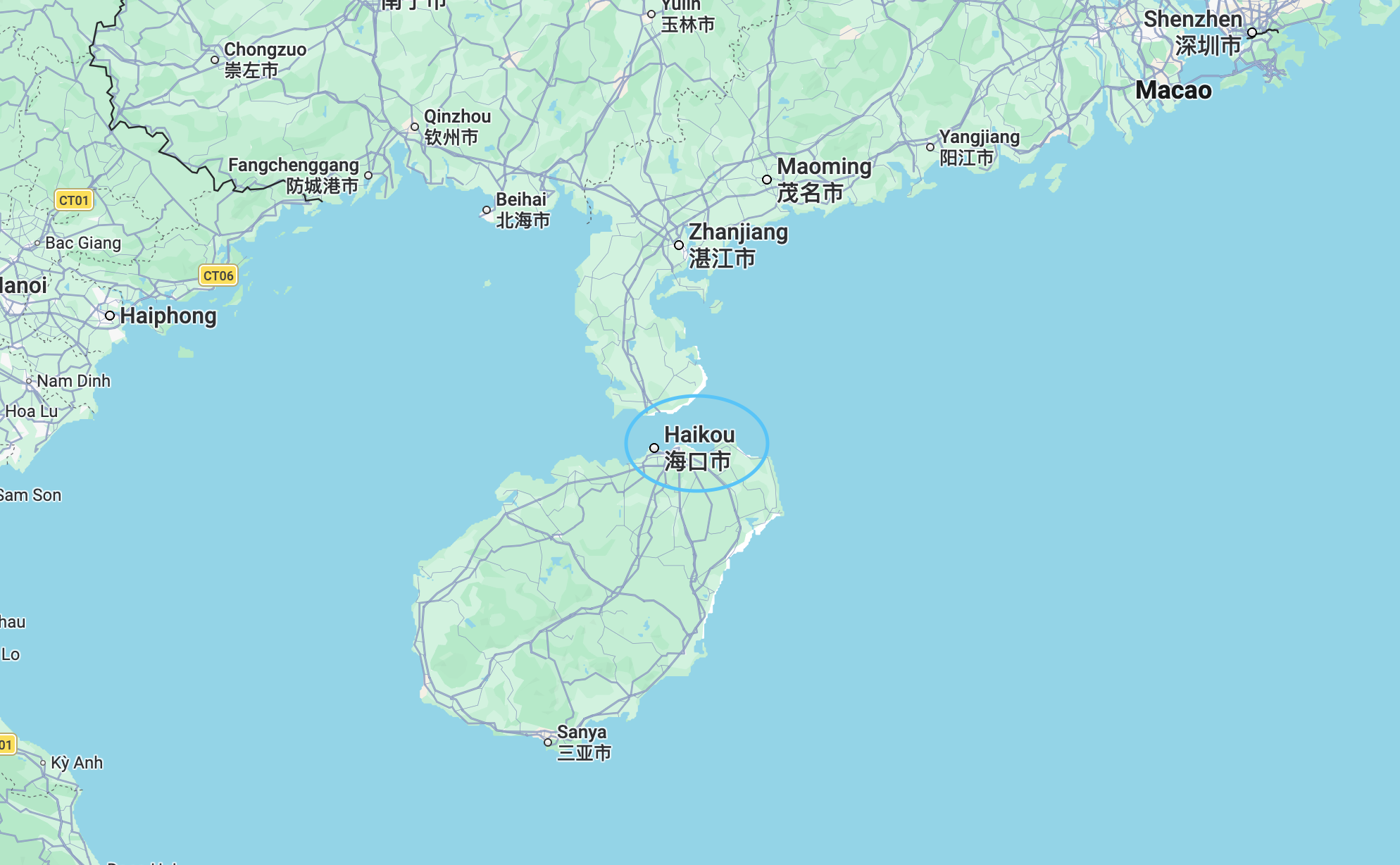
Haikou effortlessly blends rich cultural heritage with relaxed tropical living,
offering an authentic and deeply rewarding island experience far beyond the typical resort vacation.
