
青岛: Where Coastal Charm Meets Qing Dynasty Legacy
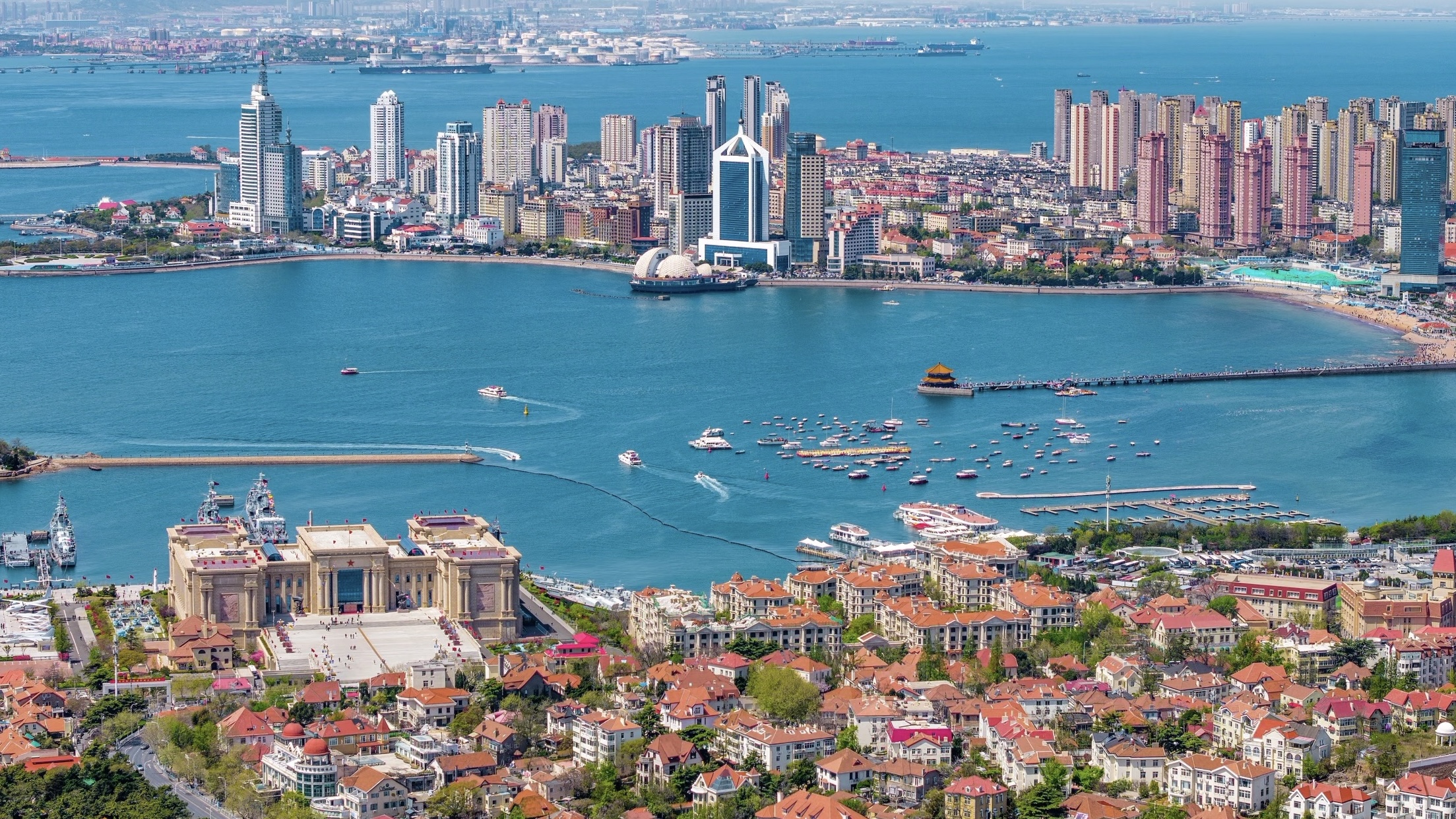
Nestled along the shimmering Yellow Sea coast of Shandong Province, Qingdao is a city of striking contrasts—colonial German architecture stands shoulder-to-shoulder with modern waterfront promenades; mist-wrapped hills cradle centuries-old Taoist temples; and the crisp scent of salt air mingles with the malty aroma of China’s most famous beer. Founded as a German concession in 1897, Qingdao retains a distinctive European flair in its red-roofed villas, tree-lined boulevards, and neoclassical railway station—but this is no museum piece. It pulses with maritime energy: fishing boats bob beside sleek yachts in Shinan’s harbors, university students debate over coffee in café-lined lanes of Badaguan, and weekend hikers ascend Laoshan’s granite peaks to watch sunrise gild the sea. With clean beaches, a temperate climate, and an unhurried coastal rhythm, Qingdao offers one of China’s most refreshingly livable urban experiences—ideal for travelers seeking authenticity without intensity.
What sets Qingdao apart isn’t just its aesthetics—it’s its layered sense of place. Here, history isn’t confined to plaques or museums but lives in the worn cobblestones of Zhanqiao Pier, the copper patina of St. Michael’s Cathedral’s spire, and the rhythmic clang of shipyard cranes echoing across Jiaozhou Bay. Locals sip Tsingtao straight from frosty mugs at open-air beer gardens while grilling squid on skewers over charcoal braziers—a ritual repeated for generations. The city’s layout encourages wandering: narrow alleys spill onto broad esplanades; hillside paths reveal sudden panoramas of islands and lighthouses; even the metro stations feature ocean-blue tiles and wave motifs. Unlike megacities that demand constant navigation, Qingdao invites slow immersion—whether tasting briny oysters at a dockside stall, tracing calligraphy on temple walls at Taiqing Palace, or simply watching gulls wheel above the turquoise swell at Shilaoren Beach.
The Places You Absolutely Must Visit:
Zhanqiao Pier 栈桥
click here to see the map pin📍
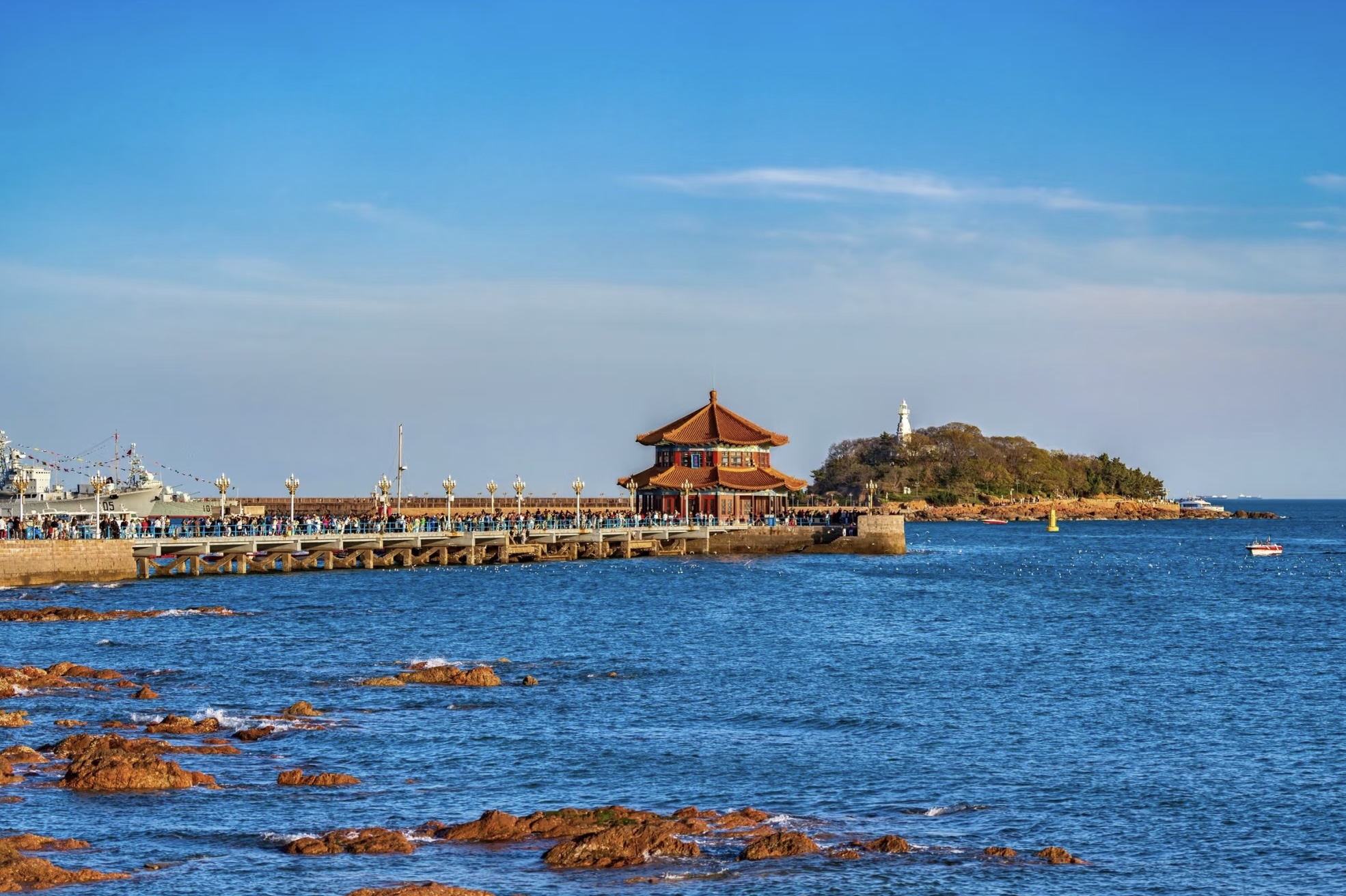
Jutting 440 meters into the Yellow Sea, Zhanqiao Pier is Qingdao’s iconic symbol—and its oldest surviving structure, built in 1891 as a naval wharf. Today, its T-shaped deck ends in the elegant Hui Lan Pavilion, a two-story octagonal tower with green-glazed tiles and sweeping views. Early mornings are ideal: fishermen mend nets on the lower deck while photographers capture silhouettes against pastel sunrises. The pier’s granite pillars host colonies of barnacles and sea anemones—visible at low tide—and nearby, street vendors sell roasted chestnuts and paper-thin seaweed snacks.
Though compact, Zhanqiao anchors Qingdao’s historical narrative: it witnessed German occupation, Japanese invasions, and the 1949 liberation. Its enduring presence makes it more than scenic—it’s civic memory made tangible. Don’t miss the small underwater aquarium beneath the pavilion, where you can observe native jellyfish and juvenile flounder through thick acrylic tunnels. Afterward, stroll west along Zhongshan Road to browse vintage bookshops and sip jasmine tea at century-old Lao Zheng Xing Teahouse—just 300 meters inland.
Badaguan Scenic Area 八大关
click here to see the map pin📍
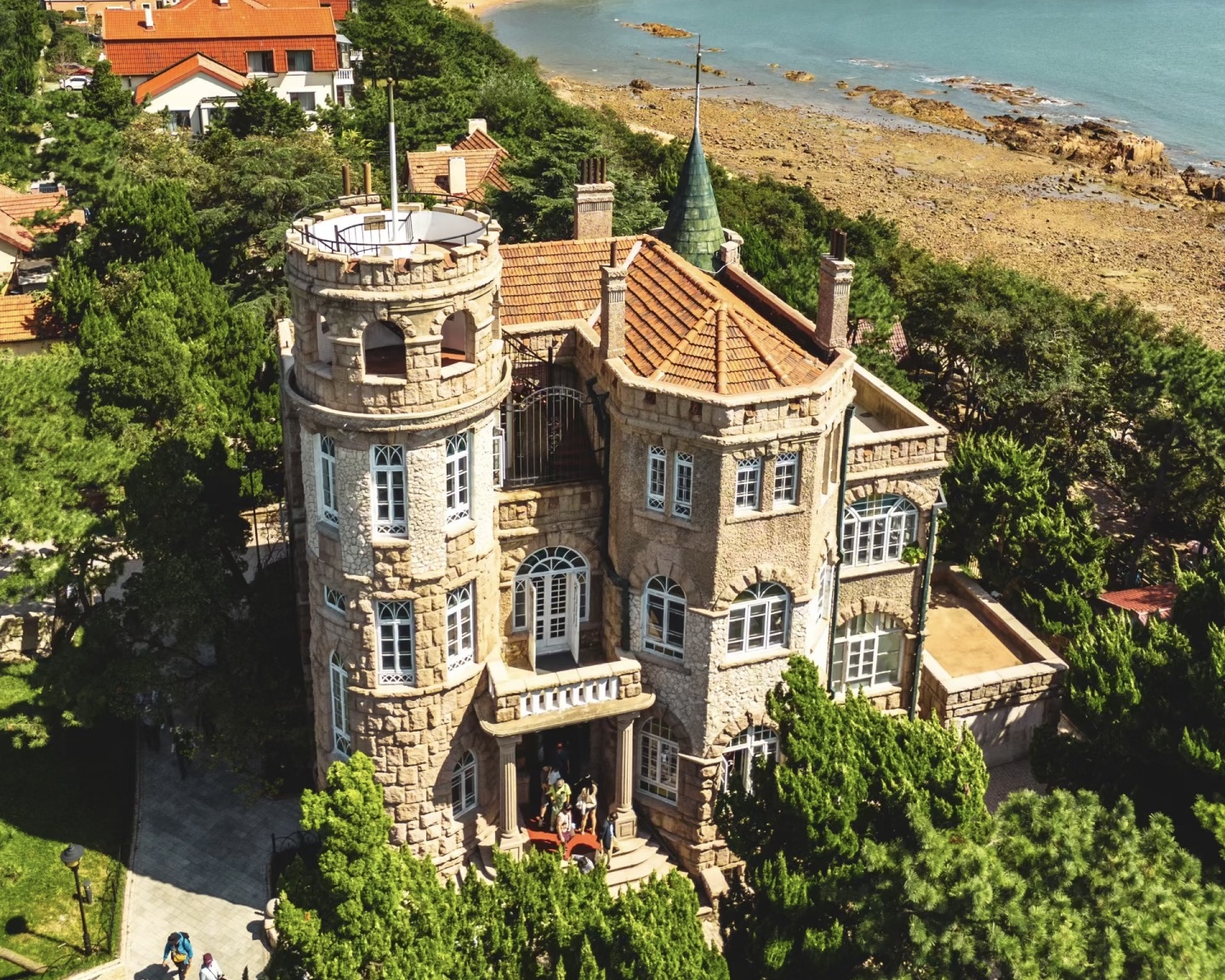
Known as ‘The Passes of Eight Great Generals,’ Badaguan is a 70-hectare enclave of manicured gardens, winding lanes, and over 200 historic villas built between 1930–1940 by Chinese elites and foreign diplomats. Each avenue—Juyu Guan, Shaohua Guan, etc.—is named after a strategic mountain pass and planted with a signature tree: elms line Hanguan Lu, while ginkgos blaze gold each November along Ningwu Lu. These aren’t static relics: many villas now house boutique hotels, art galleries, or quiet cafés serving lavender honey lattes.
The area’s architectural eclecticism reveals Qingdao’s cosmopolitan past—Swiss chalets nestle beside Spanish Mediterranean mansions and British Tudor cottages, all unified by red-tiled roofs and seaside-facing balconies. Rent a shared e-bike to explore at your own pace; pause at Flower Stone Building for panoramic bay views, or slip into the secluded Sun Yat-sen Memorial Hall garden, where camphor trees shade stone steles inscribed with his writings. Entry is free, but reserve afternoon light for photographing Villa No. 36—its curved veranda and stained-glass windows glow like amber.
Laoshan Mountain 崂山
click here to see the map pin📍
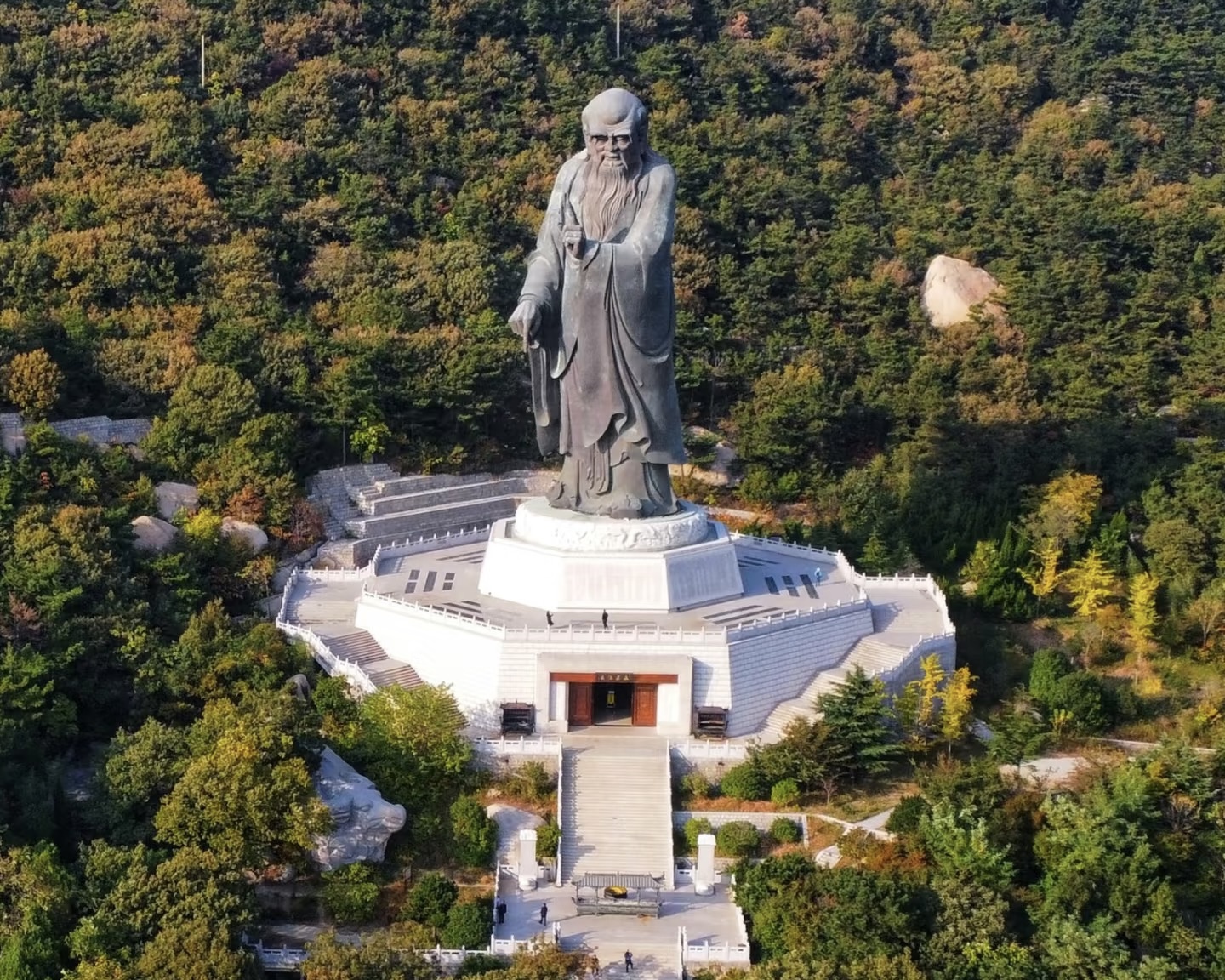
Rising 1,133 meters just 40 km east of downtown, Laoshan is China’s only coastal mountain designated as a Taoist sacred site—and the birthplace of Qingdao’s famed mineral water. Its granite peaks, ancient pine forests, and mist-shrouded waterfalls have drawn pilgrims and poets since the Han Dynasty. The South Line (Taiqing Scenic Area) is most accessible: begin at Taiqing Palace, founded in 140 B.C., where incense coils drift past bronze statues of Laozi and stone tablets carved by Song Dynasty scholars.
From the palace, follow the 2.5-km trail to Longtan Waterfall—where water cascades 30 meters over black basalt into an emerald pool—or take the cable car to Yuchuan Peak for eagle-eye vistas of the Yellow Sea archipelago. Bring cash for local vendors selling wild chrysanthemum tea and Laoshan green tea, grown on terraced slopes using traditional methods. Note: wear grippy shoes—the granite steps are slick after rain, and mist often rolls in by noon, transforming trails into ethereal corridors of dripping moss and ferns.
St. Michael’s Cathedral 圣弥厄尔教堂
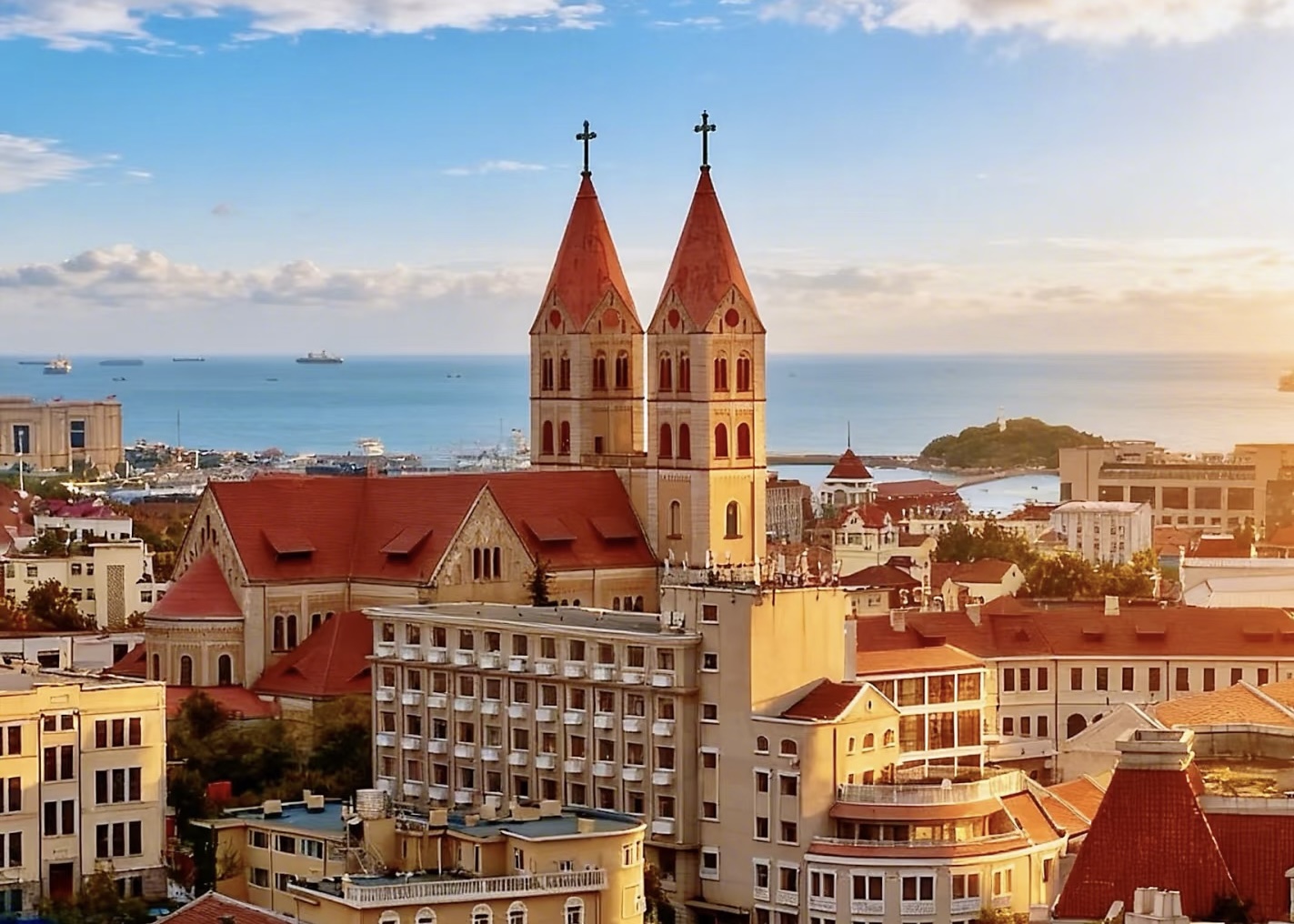
click here to see the map pin📍
Dominating Qingdao’s skyline with twin 56-meter bell towers clad in purple slate, this Romanesque Revival cathedral was consecrated in 1934 by German Franciscans. Its interior dazzles with stained-glass windows depicting biblical scenes, hand-carved walnut pews, and a ceiling painted with celestial blue and gold stars. Mass is held every Sunday at 8 a.m. and 4 p.m., but non-worshippers may enter during daylight hours for quiet contemplation—just remove hats and speak softly near the altar.
The cathedral sits at the heart of Qingdao’s old German Quarter, surrounded by cobblestone lanes and preserved colonial buildings like the former German Governor’s Residence. Climb the south tower’s 100-step spiral staircase for rooftop views stretching from the port to Mount Fushan. Nearby, grab a warm sweet-potato pancake from a cart on Jiangsu Road—best eaten while watching sunlight catch the cathedral’s rose window, casting kaleidoscopic patterns on the pavement below.
Shilaoren Beach 石老人海滩

click here to see the map pin📍
Stretching 2.5 kilometers along the eastern coast, Shilaoren Beach is Qingdao’s longest sandy shoreline—and home to its most photographed natural landmark: the 15-meter-tall ‘Stone Elder,’ a weathered granite sea stack shaped like a man gazing seaward. Geologists estimate it formed 50 million years ago, yet erosion has already claimed part of its base; conservation efforts now restrict climbing. The beach itself is immaculately maintained: soft golden sand, gentle surf perfect for wading, and lifeguard towers staffed May–October.
Unlike crowded resort strips, Shilaoren retains local flavor—families fly kites on the dunes, retirees practice tai chi at dawn, and seafood stalls grill razor clams and sea snails over open flames. Rent a sun lounger near the western end for unobstructed sunset views, when the Stone Elder glows fiery orange. For dinner, walk 5 minutes north to the Shilaoren Night Market, where chefs toss spicy stir-fried octopus with leeks and Sichuan peppercorns right before your eyes—best paired with ice-cold Tsingtao draft from a nearby beer tent.
Qingdao Cuisine
Qingdao’s food culture is a direct expression of its geography: maritime bounty meets northern Chinese heartiness, refined by decades of German influence and Shandong’s reputation as the cradle of Chinese culinary philosophy. Here, freshness isn’t a buzzword—it’s non-negotiable. Fishermen return at dawn to Shinan’s wholesale market, where buyers inspect silver-skinned pomfret, plump sea cucumbers, and live mantis shrimp still clicking their claws. Local cooking emphasizes umami depth, achieved not with heavy sauces but through slow braising, fermented soy pastes, and the subtle sweetness of Laoshan spring water used in doughs and broths. You’ll taste the sea in nearly every bite—even in dumplings, where minced squid replaces pork for a briny, springy filling.
German occupation left a delicious legacy beyond beer: bakeries still turn out rye loaves studded with caraway seeds, and ‘Qingdao-style’ sausages—smoked over applewood and seasoned with star anise—are grilled alongside seafood at night markets. Yet this is no fusion gimmick; it’s seamless integration. A bowl of ‘seafood wonton soup’ might float tender shrimp and scallop dumplings in a clear broth infused with dried kelp and aged ginger, then garnished with a single slice of pickled German-style cabbage. Even street snacks reflect this duality: crispy fried mackerel cakes come with both sweet chili sauce and grainy mustard. To eat in Qingdao is to understand how terroir extends to tide lines—and why locals say, ‘If it doesn’t swim, we don’t serve it.’
Tsingtao Beer 青岛啤酒
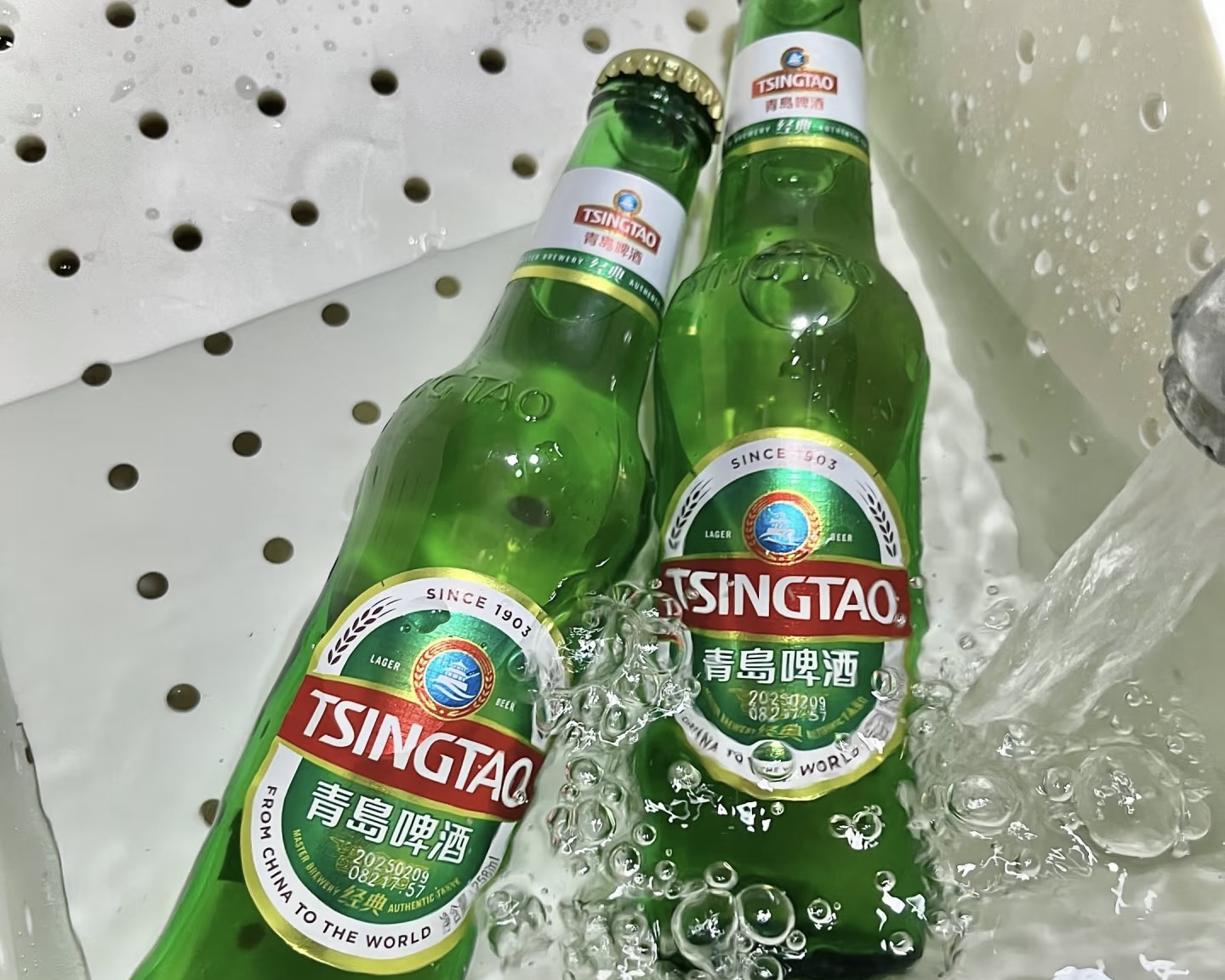
Born in 1903 at the German-Bavarian Brewery, Tsingtao remains China’s most internationally recognized lager—and best enjoyed fresh, unfiltered, and icy cold. The original ‘Classic’ (4.7% ABV) delivers crisp bitterness balanced by subtle malt sweetness, while the premium ‘Pure Draft’ (3.6%) is served directly from copper tanks at brewery-adjacent pubs like the 110-year-old Tsingtao Beer Street taproom. Locals insist on pairing it with grilled squid or fried peanuts—never ice cubes, which dilute its delicate carbonation. Visit the Tsingtao Beer Museum to taste limited-edition batches brewed with Laoshan spring water and aged in oak casks.
Seafood Dumplings 海鲜饺子
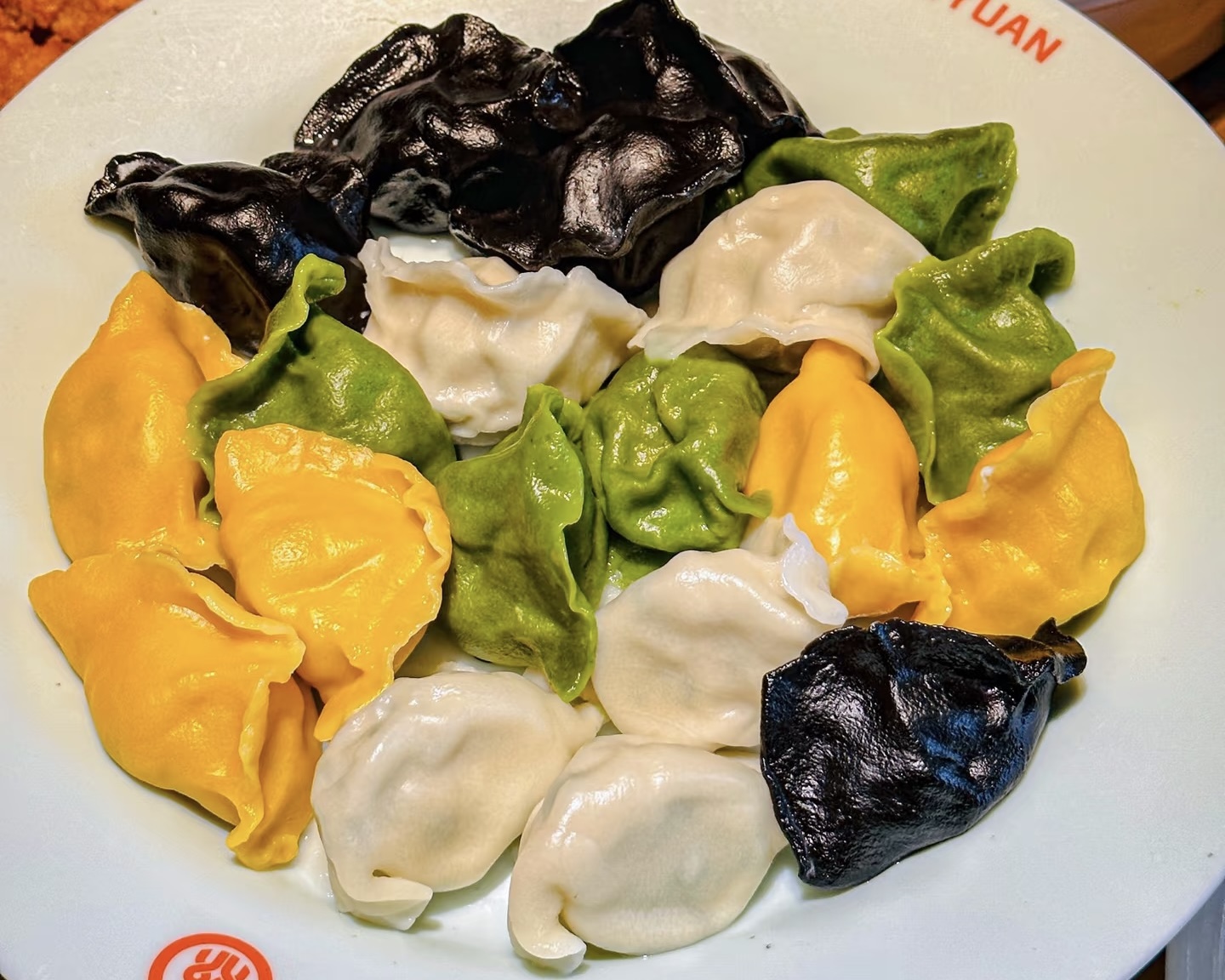
These aren’t ordinary dumplings: Qingdao’s version features translucent wrappers stretched thin enough to reveal the fillings—minced razor clams, diced sea cucumber, or shredded squid—bound with scallion oil and a whisper of sesame paste. Boiled until plump and served with black vinegar spiked with fresh ginger, they’re a staple at family-run joints like Hai Xian Jiao Zi Wang on Chengyang Road. Order a dozen and watch chefs fold each one with 18 precise pleats—a technique passed down four generations. For authenticity, request ‘soup-filled’ style: hot broth bursts inside when you bite.
Grilled Squid 烤乌贼
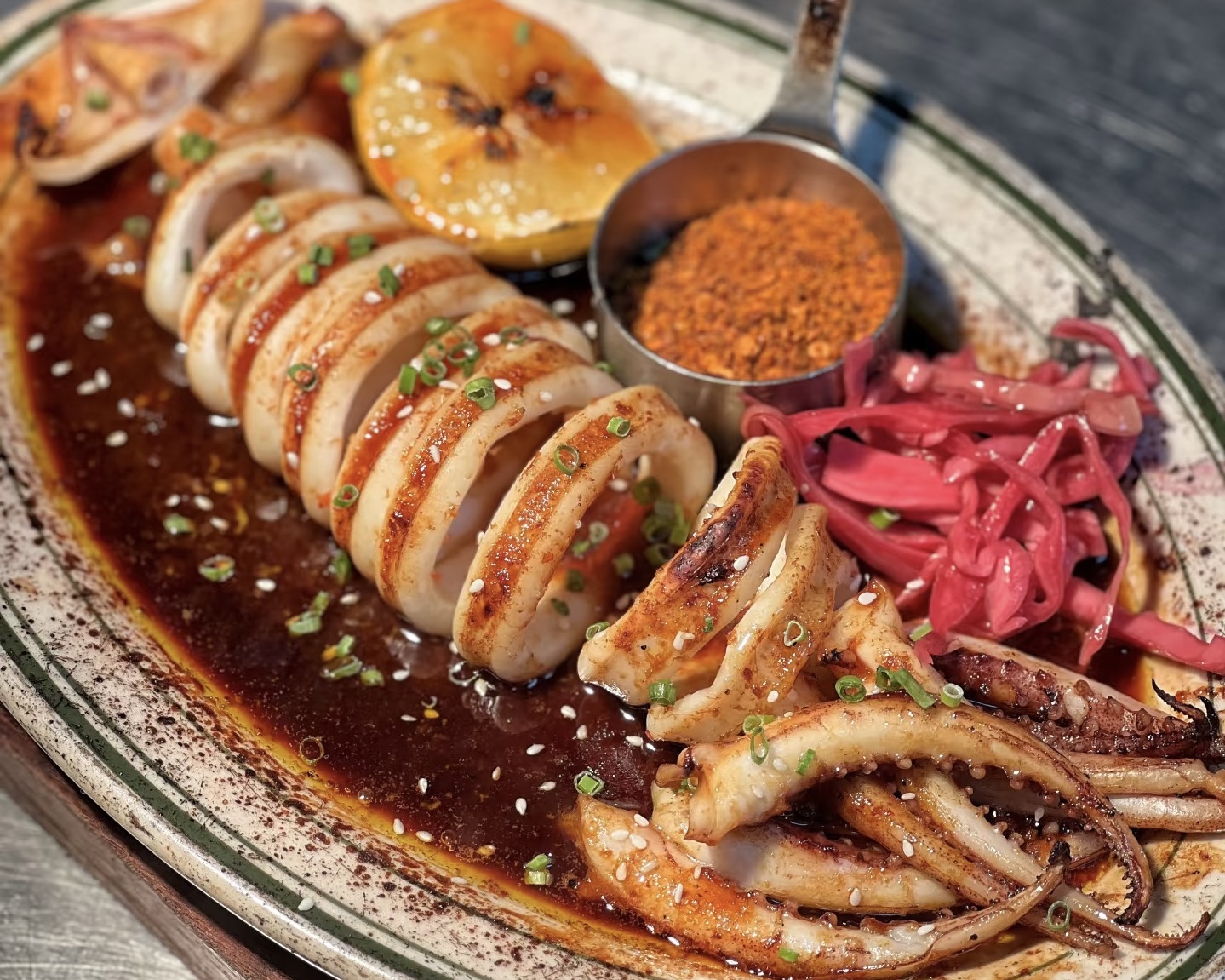
Squid is skewered whole—tentacles intact—then brushed with a marinade of soy, Shaoxing wine, and toasted sesame oil before hitting the charcoal grill. The result? Tender, slightly chewy flesh with caramelized edges and a smoky perfume that carries for blocks. Vendors at Shilaoren Night Market rotate skewers over glowing coals, flipping them with metal tongs until the skin blisters and curls. Eat standing up, squeezing lime juice over the top and sprinkling with crushed Sichuan peppercorns for numbing heat. One skewer (¥15) is never enough—locals order three at a time.
Laoshan Tea 崂山茶
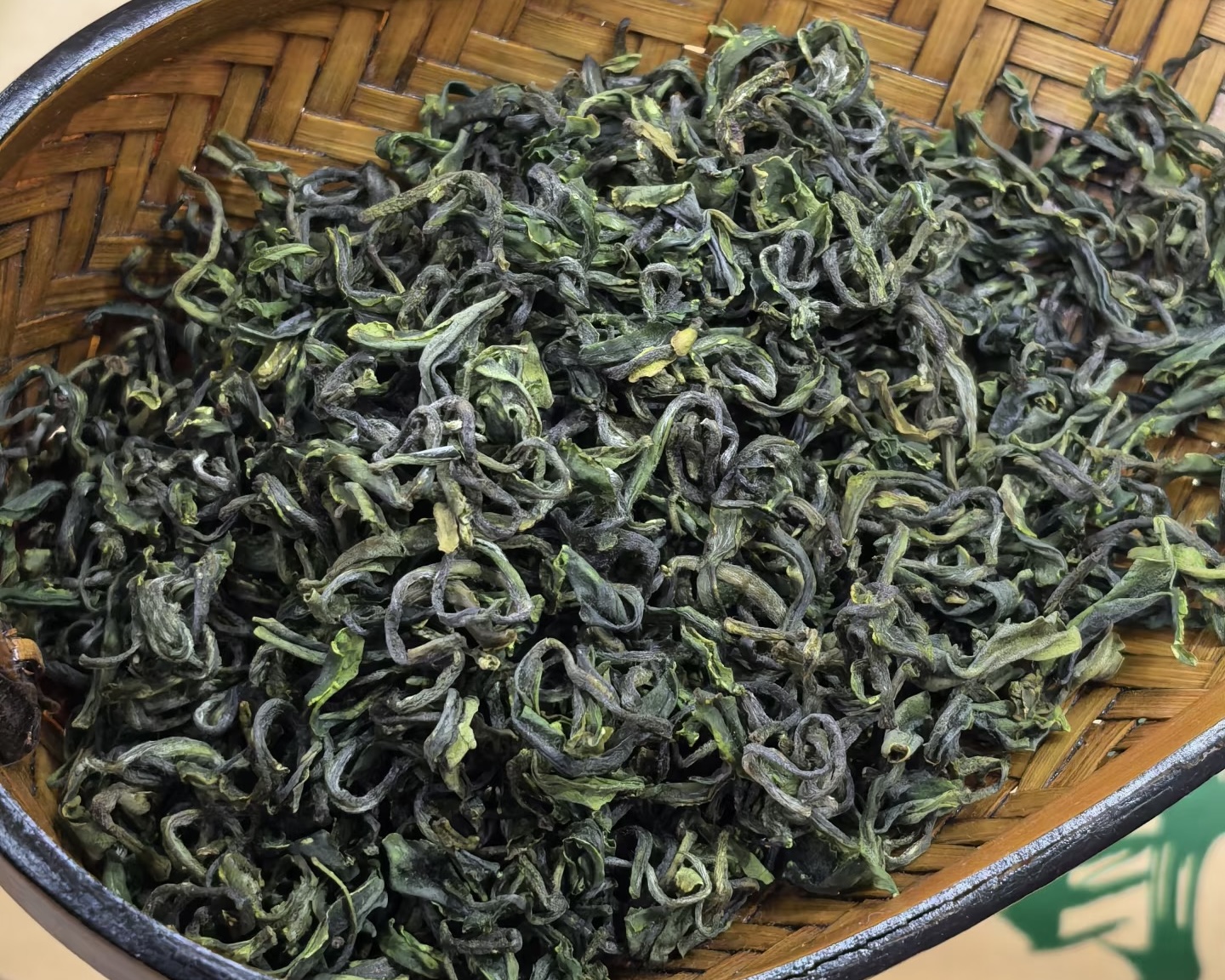
Grown on mist-draped slopes above 300 meters, Laoshan green tea is China’s northernmost commercially cultivated tea—and prized for its vegetal sweetness and lingering chestnut finish. Harvested only in spring, leaves are pan-fired within hours to lock in freshness. At tea houses like Laoshan Yunwu Cha Yuan, it’s steeped in tall glass vessels so you can watch emerald leaves unfurl. Unlike southern teas, it’s traditionally served without sugar or milk; locals believe its cooling properties balance Qingdao’s humid summers. Take home vacuum-sealed pouches from the plantation shop.
Sweet-Potato Pancakes 地瓜饼
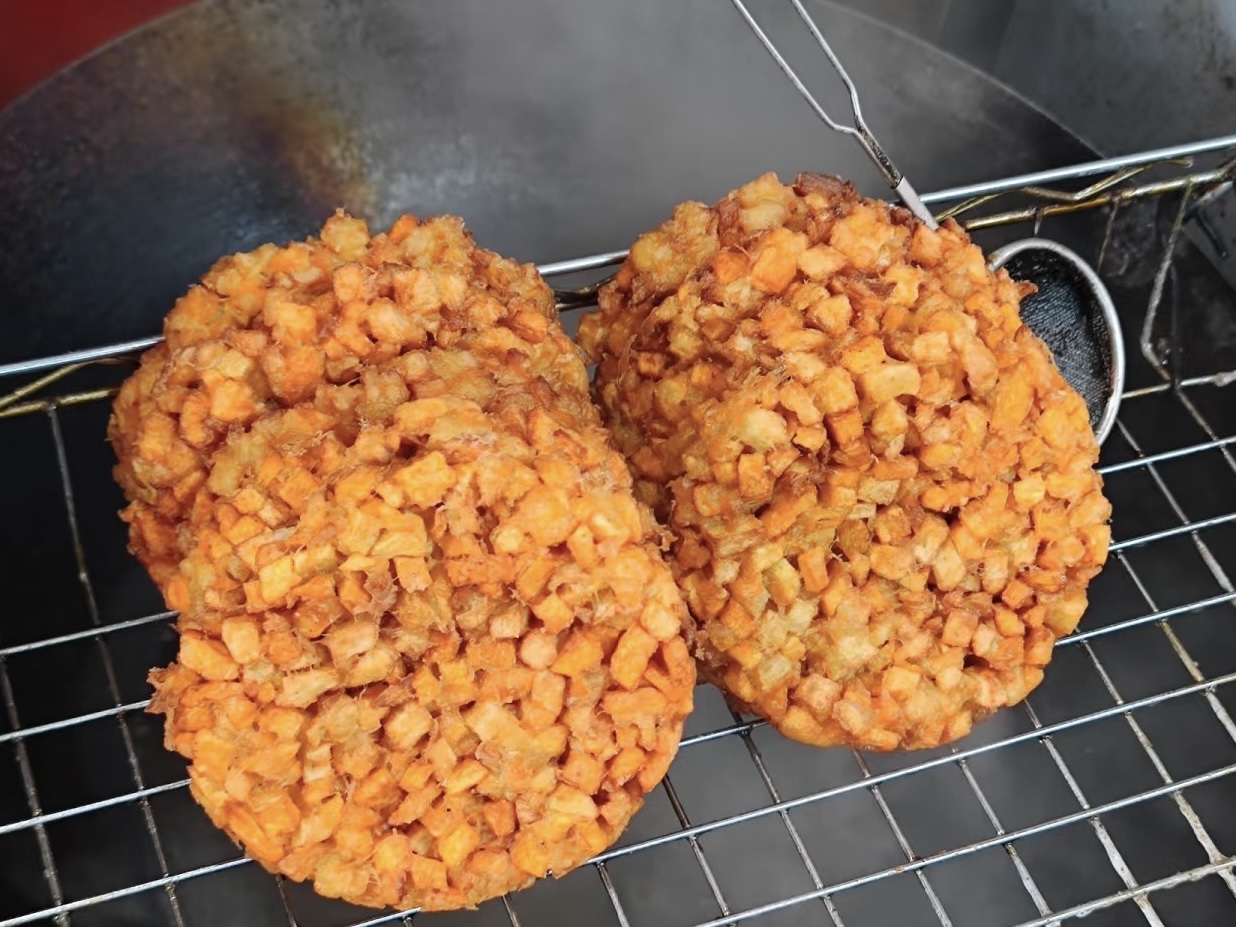
A humble street staple turned beloved snack, these golden discs combine grated sweet potato, glutinous rice flour, and a pinch of brown sugar, then pan-fried until crisp-edged and custardy within. Vendors like Auntie Lin on Jiangsu Road cook them on flat iron griddles, flipping each pancake with a spatula dipped in sesame oil. They’re best eaten piping hot—slightly sticky, faintly caramelized, and fragrant with toasted starch. Pair with a cup of warm soy milk for contrast: the nutty creaminess cuts the pancake’s sweetness perfectly. Find them near St. Michael’s Cathedral from 6 a.m. to 10 a.m. daily.
Best Time to Visit
The ideal window to visit Qingdao is late May through early October—when temperatures hover between 18°C and 26°C, humidity stays moderate, and the sea warms to a swimmable 22°C. June offers peak coastal clarity: skies are reliably azure, visibility stretches 20 km offshore, and the city hosts the Qingdao International Beer Festival’s opening week (late July–early August), when Zhanqiao Pier transforms into a lantern-lit carnival of live music, beer tents, and fireworks over Jiaozhou Bay. Mornings are consistently calm, making it perfect for photography at Badaguan or sunrise hikes up Laoshan.
Avoid mid-July to mid-August if you dislike crowds—this is high season for domestic tourists, and beachfront hotels book solid months ahead. September brings quieter shores, ripening persimmons in Badaguan’s gardens, and the Laoshan Tea Autumn Harvest Festival, where farmers demonstrate hand-rolling techniques. October dazzles with ginkgo-yellow avenues and fewer visitors, though sea temperatures dip below 18°C—ideal for walking, not swimming. Winter (December–February) is crisp and windy, with occasional snow dusting Laoshan’s peaks, but most attractions remain open, and hotel rates drop 40%. Just pack thermal layers: coastal winds bite hard off the Yellow Sea.
Transportation in Qingdao
Qingdao has a modern and efficient transportation system that makes it easy for travelers to explore the city and surrounding areas. The city is served by Qingdao Jiaodong International Airport, which connects Qingdao to major domestic and international destinations. As an important coastal hub, Qingdao also has a well-developed railway network, including high-speed trains linking it to cities such as Beijing, Shanghai, and Jinan.
Within the city, the metro system is expanding rapidly and provides a convenient way to travel between key districts, beaches, and commercial areas. Public buses are extensive and affordable, covering most parts of the city. Taxis and ride-hailing services are widely available and relatively easy to use. Qingdao’s coastal layout means some routes follow the shoreline, offering scenic views during travel. Overall, the city’s transportation is reliable, accessible, and suitable for both short visits and longer stays.
A 2-Day Travel Itinerary
Day 1
Start at Zhanqiao Pier (栈桥), then continue to Badaguan Scenic Area (八大关), and finish at Laoshan Mountain (崂山). Go early so the first stop feels atmospheric rather than crowded, then treat Zhanqiao Pier (栈桥), Badaguan Scenic Area (八大关), and Laoshan Mountain (崂山) as one connected zone instead of a checklist. Plan a meal stop for Tsingtao Beer (青岛啤酒) so the route also carries a clear local food moment. Use short taxi or metro hops only when the distance opens up; otherwise keep the route walkable so you can absorb storefronts, lanes, and daily local life between headline sights. By late afternoon, slow the tempo near the final stop for tea, photos, or riverfront streets so the day still feels like a weekend outing instead of a race.
Day 2
Start at St. Michael’s Cathedral (圣弥厄尔教堂), then finish at Shilaoren Beach (石老人海滩). Keep the sequence practical through St. Michael’s Cathedral (圣弥厄尔教堂) and Shilaoren Beach (石老人海滩) so every listed stop remains visitable and you are not forced into backtracking. Plan a meal stop for Seafood Dumplings (海鲜饺子) so the route also carries a clear local food moment. Start a little earlier if one site needs extra museum time, then use the middle of the day for the longest transfer and leave the final stop for a slower wrap-up. Save a little buffer for viewpoints, souvenir shopping, or one last neighborhood walk so the trip can end cleanly before departure.
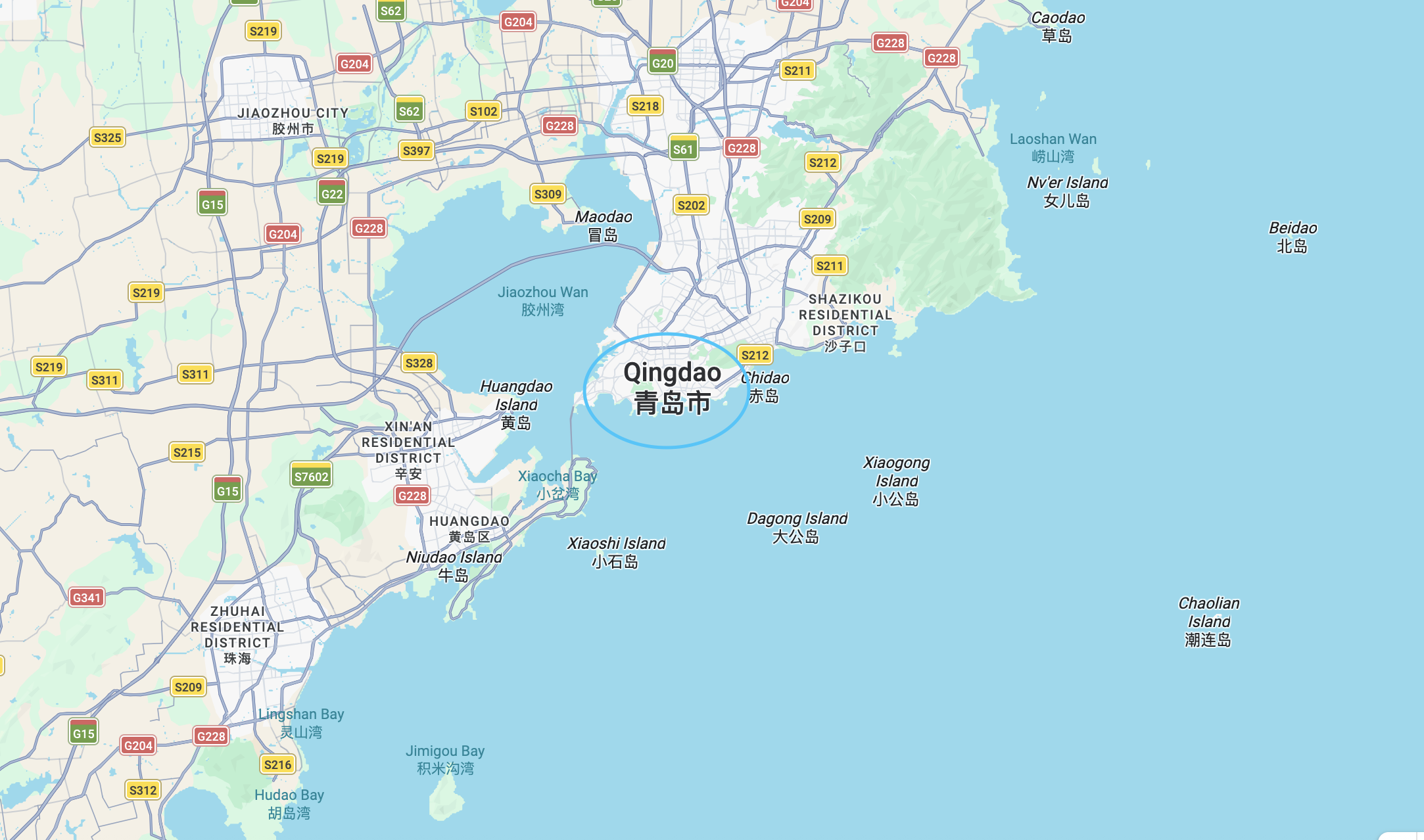
Qingdao doesn’t ask you to choose between history and hedonism, mountains and the sea,
tradition and tomorrow—it simply offers them all, side by side, with a frosty mug of Tsingtao in hand.
Are you interested in traveling around China?
🌏✨ Experience teaching with MEF World and travel the world.✨🌏
Join our FREE webinar to learn more: https://cutt.ly/ne9bTUJd
See current jobs: https://cutt.ly/oeUbBjAF
Apply now: https://cutt.ly/meUbM7xG
Teaching in China = adventure, growth, and memories for a lifetime.
