
Zhengzhou 郑州:A Journey Through History, Culture, and Nature

Zhengzhou, the capital of Henan Province, is one of China’s most important historical and cultural cities, often regarded as the cradle of Chinese civilization. With a history spanning over 3,500 years, it was the capital of several ancient dynasties and plays a key role in understanding early Chinese history. Zhengzhou’s tourism resources are rich and diverse. The iconic Shaolin Temple, birthplace of Shaolin Kung Fu, attracts visitors from around the world and symbolizes Chinese martial arts culture. Nearby Mount Song, one of China’s Five Sacred Mountains, combines natural scenery with profound religious and philosophical heritage. The Henan Museum offers an impressive collection of artifacts, showcasing the region’s role in ancient Chinese civilization. In addition, the Yellow River Scenic Area highlights the river known as the “Mother River of China.” Blending history, culture, and nature, Zhengzhou is an essential destination for travelers interested in China’s roots.
The places you abusolutely must visit
Mount Song (嵩山风景区名胜区)
click here to see the map pin📍
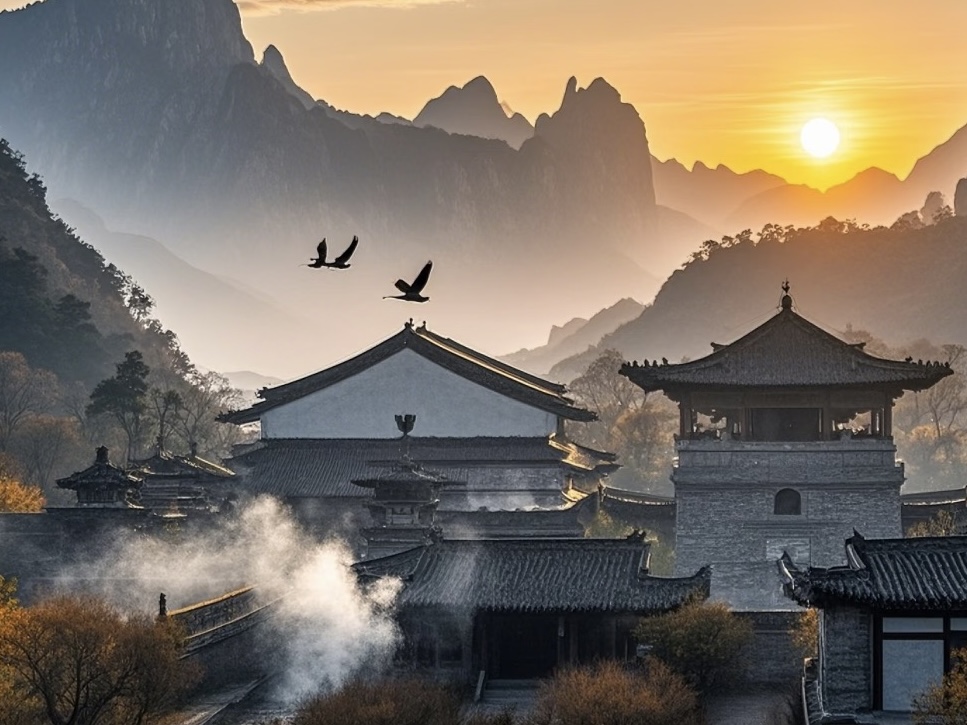
Mount Song, located southwest of Zhengzhou, is one of China’s Five Sacred Mountains and a UNESCO Global Geopark. It is renowned not only for its dramatic natural scenery but also for its deep cultural and religious significance. The mountain range features rugged peaks, deep valleys, ancient forests, and seasonal landscapes that change beautifully throughout the year. Well-maintained hiking trails and scenic routes allow visitors to explore its natural beauty, making it a popular destination for nature lovers and outdoor enthusiasts.
Beyond its landscapes, Mount Song holds an exceptional place in Chinese history and philosophy. It is considered a spiritual center of Chinese Buddhism, Taoism, and Confucianism, with numerous temples, pagodas, and academies scattered across the area. Historic sites such as the Songyang Academy and Zhongyue Temple reflect the mountain’s role in education, astronomy, and religious practice. The combination of natural grandeur and cultural depth makes Mount Song a unique destination where visitors can experience both physical tranquility and intellectual inspiration.
The Dahecun Site Museum(大河村遗址博物馆)
click here to see the map pin📍

The Dahecun Site Museum in Zhengzhou is an important archaeological museum dedicated to the study and preservation of Neolithic culture in the Central Plains. Built on the original site of the Dahecun settlement, the museum showcases remains dating back over 6,000 years, mainly associated with the Yangshao culture. Visitors can see excavated house foundations, pottery kilns, storage pits, and daily-use artifacts, offering a clear picture of early agricultural life. The museum combines indoor exhibitions with outdoor site displays, allowing visitors to observe the settlement layout in its original context.
Beyond its archaeological value, the Dahecun Site Museum plays a key role in understanding the origins of Chinese civilization. The exhibits highlight advances in pottery-making, social organization, and early urban planning. Detailed explanations and reconstructions help bring prehistoric life to life for modern audiences. As one of the most representative prehistoric sites in China, the museum provides valuable insight into how early communities lived, worked, and developed along the Yellow River, making it a meaningful cultural stop when visiting Zhengzhou.
Erqi Memorial Tower(二七纪念塔)
click here to see the map pin📍
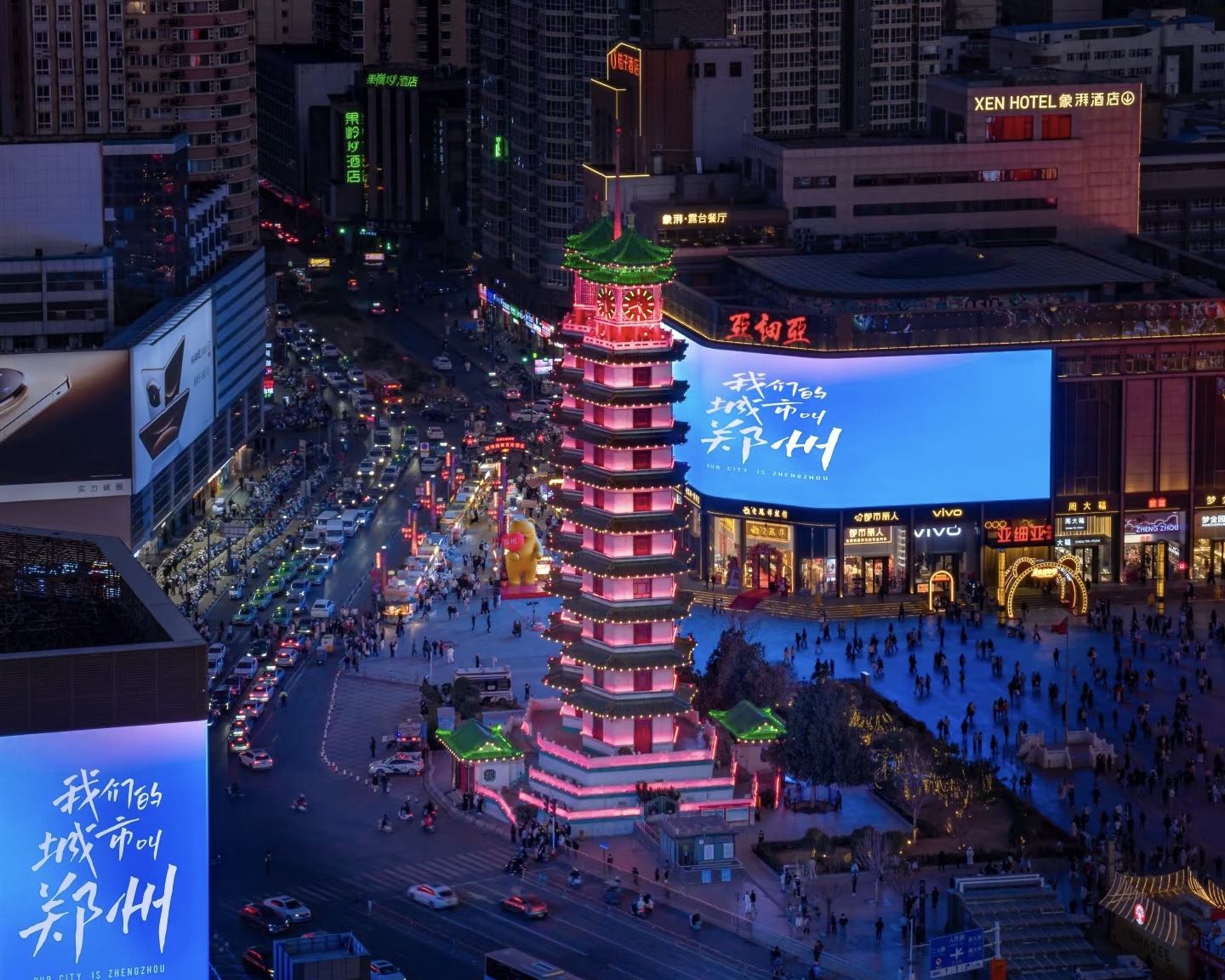
The Erqi Memorial Tower stands in the heart of downtown Zhengzhou and is one of the city’s most recognizable landmarks. Built to commemorate the 1923 Erqi Railway Workers’ Strike, the tower symbolizes the revolutionary spirit and labor movement in modern Chinese history. Its distinctive twin-tower structure and clock design make it both a historical monument and an urban icon.
Today, the Erqi Memorial Tower also functions as a museum, displaying photographs, documents, and exhibits that tell the story of Zhengzhou’s role in China’s industrial and revolutionary development. Surrounding the tower is a lively commercial district filled with shopping centers, pedestrian streets, and local food options. This combination of historical significance and modern city life makes the Erqi Memorial Tower an ideal place to understand Zhengzhou’s transformation from a railway hub into a major metropolis.
Henan Museum(河南博物院)
click here to see the map pin📍
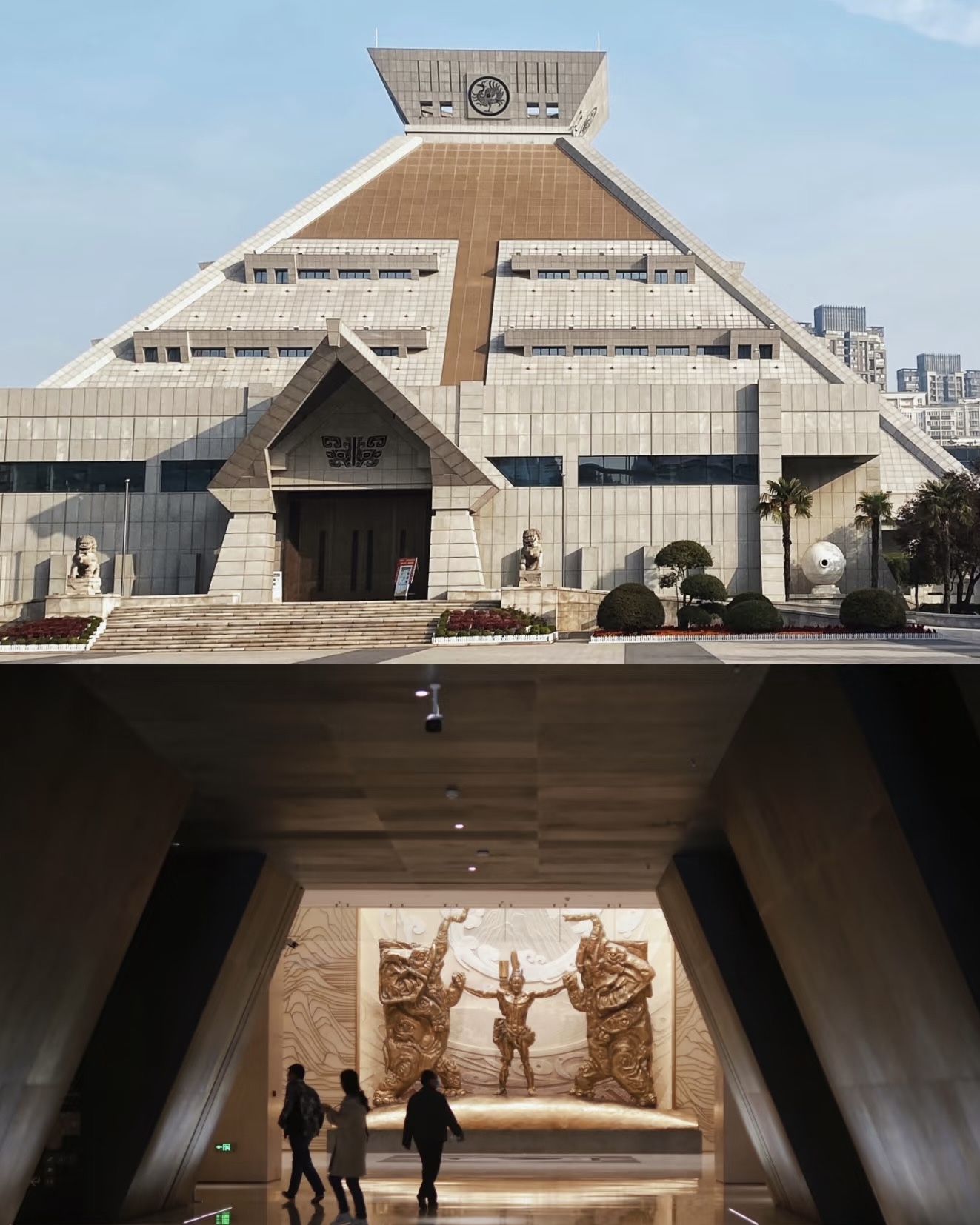
Henan Museum is one of China’s most important museums, offering a comprehensive overview of ancient Chinese civilization. Its vast collection includes artifacts from prehistoric times to the Song Dynasty, with highlights such as bronzeware, jade objects, ceramics, and oracle bones. The museum’s exhibitions clearly illustrate Henan’s central role in the development of early Chinese culture and statehood.
The museum is well-known for its modern exhibition design and educational approach. Interactive displays, multilingual explanations, and themed galleries make the experience engaging for both general visitors and history enthusiasts. Special exhibitions and cultural performances further enrich the visit. As a cultural landmark of Zhengzhou, Henan Museum is essential for anyone seeking a deeper understanding of China’s historical roots and artistic traditions.
Kang Baiwan Mansion(康百万庄园)
click here to see the map pin📍

Kang Baiwan Mansion, located near Zhengzhou in Gongyi, is one of China’s best-preserved traditional residential complexes. Built during the Ming and Qing dynasties, it was home to the wealthy Kang family, famous for their success in trade and finance. The mansion consists of courtyards, halls, storage rooms, and defensive structures, reflecting both practicality and elegance.The site offers valuable insight into traditional Chinese family culture, business ethics, and architectural style. Exhibits showcase the Kang family’s management philosophy, charitable practices, and daily life. Walking through the mansion allows visitors to experience the lifestyle of an elite merchant family in ancient China. With its historical authenticity and cultural depth, Kang Baiwan Mansion provides a fascinating perspective on China’s commercial heritage and social structure.
Zhengzhou Cuisine
Zhengzhou’s cuisine reflects the bold, hearty, and down-to-earth character of Henan food culture. Located in central China, Zhengzhou’s diet emphasizes wheat-based staples, rich broths, and slow-cooked dishes that provide warmth and nourishment. Flavors tend to be savory and robust rather than overly spicy or sweet, with garlic, scallions, pepper, and fermented seasonings commonly used. Soups and noodles play a central role in daily meals, highlighting the region’s agricultural roots and practical eating habits. Zhengzhou cuisine values substance and balance, focusing on texture and aroma as much as taste. Many dishes originated from folk traditions and street food culture, making them approachable and deeply connected to everyday life. Whether enjoyed at breakfast stalls or long-established local restaurants, Zhengzhou’s food offers an authentic taste of Henan’s history, climate, and people, combining simplicity with lasting comfort.
Hui Mian (烩面)
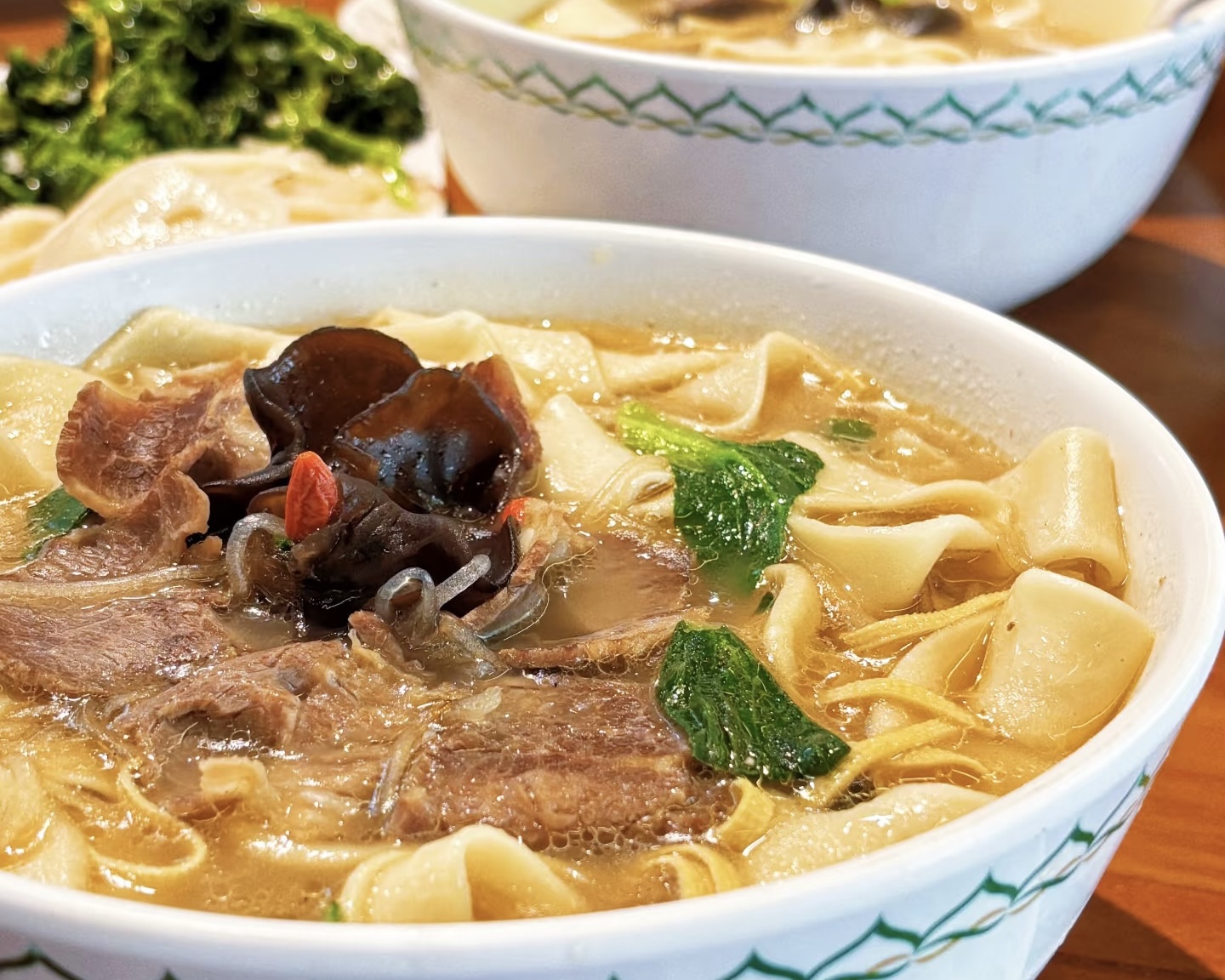
Hui Mian is Zhengzhou’s most iconic dish and a symbol of Henan cuisine. It features wide, hand-pulled wheat noodles served in a rich, milky broth made from slow-simmered lamb or beef bones. The soup is deeply flavorful yet smooth, often accompanied by sliced meat, kelp, tofu skin, and glass noodles. Chili oil and pickled garlic can be added to enhance the taste. Nourishing and satisfying, Hui Mian is especially popular in colder seasons and represents the warmth and generosity of local food culture.
Hu La Tang (胡辣汤)
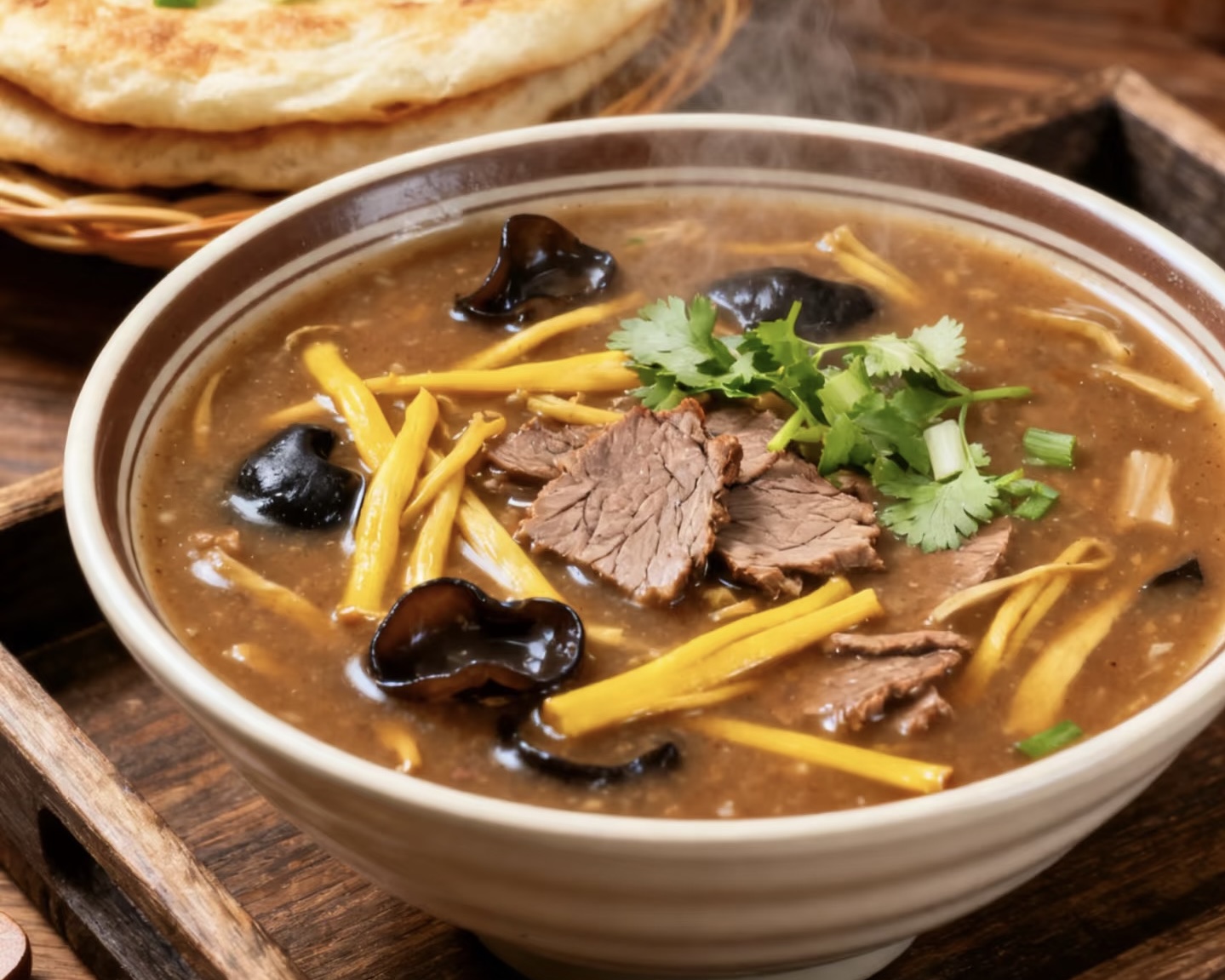
Hu La Tang is a traditional Henan breakfast soup known for its bold, warming flavor. Made with beef broth, black pepper, chili, and a variety of ingredients such as tofu, gluten, peanuts, and vegetables, it has a thick, hearty texture. Despite its spicy reputation, the heat comes mainly from pepper rather than chili, creating a numbing warmth instead of sharp spiciness. Often paired with fried dough or flatbread, Hu La Tang is a favorite morning dish that energizes locals for the day ahead.
You Motou (油馍头)
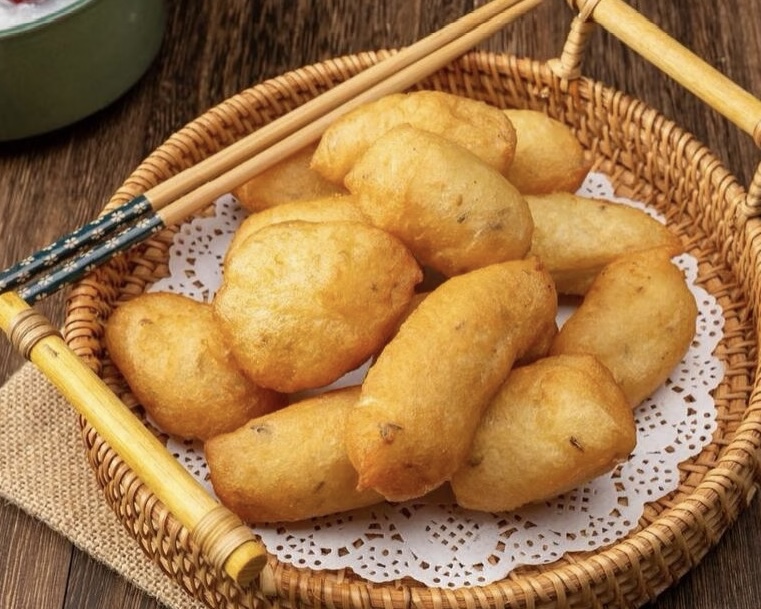
You Motou are deep-fried wheat buns commonly found in Zhengzhou’s street food scene. Crispy on the outside and soft inside, they are made from fermented dough and fried until golden brown. Slightly chewy and mildly savory, You Motou are often eaten with Hu La Tang or soybean milk. Their simple ingredients and comforting texture make them a classic everyday food. As a traditional snack with strong local roots, You Motou reflect Zhengzhou’s preference for wheat-based, filling foods that are both affordable and satisfying.
Kaihua Mantou (开花馍)

Kaihua Mantou are traditional steamed buns distinguished by their cracked, flower-like tops. Made from finely fermented wheat dough, they are soft, fluffy, and naturally slightly sweet. The “flower” opening symbolizes good luck and prosperity, making these buns popular during festivals and family gatherings. Unlike filled buns, Kaihua Mantou focus on the pure taste of wheat and fermentation. Often served as a staple food alongside savory dishes, they highlight the simplicity and craftsmanship of northern Chinese cooking and are a key part of Zhengzhou’s daily diet.
Laojun Roast Chicken (老君烧鸡)

Laojun Roast Chicken is a famous Henan specialty known for its deep aroma and tender texture. The chicken is marinated with traditional spices and herbs, then slowly cooked to allow the flavors to fully penetrate the meat. The result is juicy, fragrant chicken with a rich, savory taste that is neither greasy nor overpowering. Often sold whole, it is popular as a takeaway dish and a gift item. Laojun Roast Chicken represents Henan’s mastery of braising and seasoning techniques passed down through generations.
Best Time to Visit Zhengzhou
The best time to travel to Zhengzhou is during spring (April to May) and autumn (September to October), when the weather is mild, comfortable, and ideal for sightseeing. In spring, temperatures gradually rise, flowers bloom across parks and scenic areas, and Mount Song offers fresh greenery and clear views, making it perfect for hiking and outdoor activities. Autumn is equally appealing, with cool air, lower humidity, and colorful foliage around historical sites and natural attractions.
Summer in Zhengzhou can be hot and humid, with occasional heavy rain, which may limit outdoor exploration, especially during midday. Winter is generally cold and dry, and while it is less suitable for nature-based travel, it can still be a good time to visit museums, cultural landmarks, and enjoy local cuisine. Overall, spring and autumn provide the most balanced climate and pleasant atmosphere for experiencing Zhengzhou’s history, culture, and landscapes.
Transportation in Zhengzhou
Zhengzhou has a well-developed transportation system that makes travel within the city and to surrounding attractions convenient. As a major railway hub in central China, Zhengzhou is served by high-speed trains connecting it to cities such as Beijing, Xi’an, Shanghai, and Wuhan. The city’s metro network continues to expand and is an efficient way to travel between downtown areas, commercial districts, and key transport hubs. Buses and taxis are widely available and affordable for short-distance travel.
Most major attractions within the city, such as the Henan Museum and Erqi Memorial Tower, are easily accessible by metro or taxi. For destinations outside the urban center, including Mount Song and Shaolin Temple, travelers can use long-distance buses, organized tours, or taxis. Car rental services are available at the airport and in the city, offering flexibility for visiting suburban scenic areas, though traffic during peak hours should be considered.
A 3-Day Travel Itinerary
Day 1: Mount Song Scenic Area
Begin your trip with a full-day excursion to Mount Song(嵩山风景区), one of China’s Five Sacred Mountains. Spend the morning exploring its natural landscapes, hiking trails, and scenic viewpoints surrounded by forests and dramatic peaks. Along the way, you can visit historic temples and cultural sites that reflect the mountain’s importance in Chinese philosophy and religion. In the afternoon, continue exploring the mountain area or enjoy a more relaxed walk through designated scenic routes. Return to Zhengzhou city in the evening and enjoy a local dinner featuring traditional Henan dishes.
Day 2: Dahecun Site Museum and Henan Museum
Start your day at the Dahecun Site Museum(大河村遗址博物馆) where you can explore Neolithic ruins and learn about the origins of early Chinese civilization. Walk through preserved settlement remains and indoor exhibitions showcasing pottery, tools, and daily-life artifacts. In the afternoon, visit Henan Museum(河南博物院) to deepen your understanding of Henan’s historical role through its extensive collection of ancient relics, bronzeware, and jade. This day offers a comprehensive cultural journey from prehistoric times to later dynasties.
Day 3: Erqi Memorial Tower and Kang Baiwan Mansion
Spend the morning at the Erqi Memorial Tower(二七纪念塔) in downtown Zhengzhou, learning about modern Chinese history and the city’s role as a railway hub. Explore the surrounding commercial streets and enjoy local snacks. In the afternoon, travel to Gongyi to visit Kang Baiwan Mansion(康百万庄园), a well-preserved residential complex that reflects traditional merchant culture and family life during the Ming and Qing dynasties. Return to Zhengzhou in the evening to conclude your trip.

Zhengzhou offers a perfect blend of ancient heritage, vibrant city life, and scenic landscapes,
making it an ideal destination to experience China’s heartland.
Are you interested in traveling around China?
🌏✨ Experience teaching with MEF World and travel the world.✨🌏
Join our FREE webinar to learn more: https://cutt.ly/ne9bTUJd
See current jobs: https://cutt.ly/oeUbBjAF
Apply now: https://cutt.ly/meUbM7xG
Teaching in China = adventure, growth, and memories for a lifetime.
What are the critical steps for a university graduate to secure a teaching job and work visa in a Chinese kindergarten?
How can university graduates effectively demonstrate cultural sensitivity and teaching aptitude during kindergarten job interviews in China?
What strategies help graduates transition from kindergarten English teaching to advanced roles in China?
