
Shenyang(沈阳):A Journey Through Imperial History and Modern Vitality
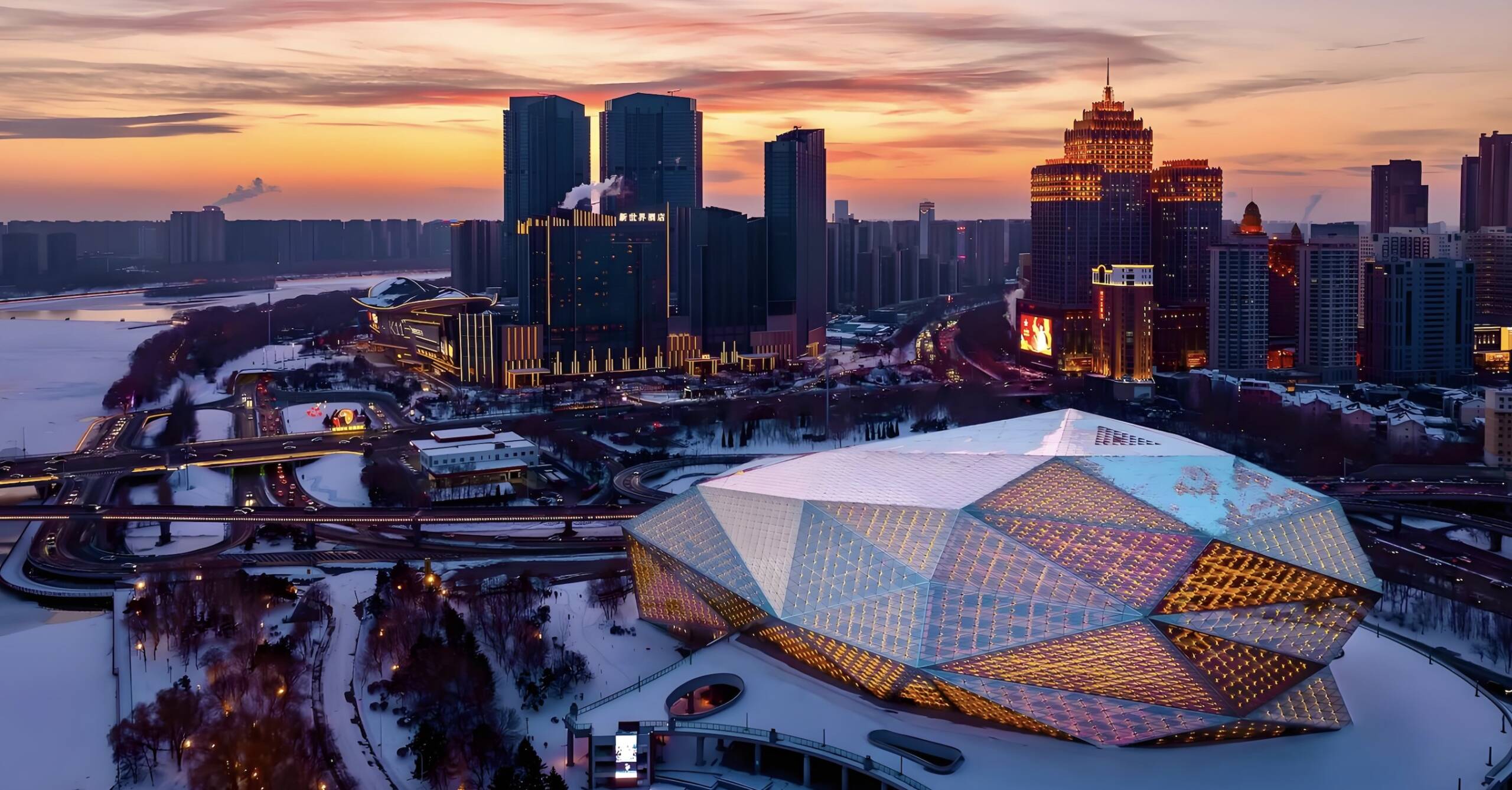
Shenyang is a major historical and cultural city in Northeast China and the capital of Liaoning Province. As the birthplace of the Qing Dynasty, it is best known for the Shenyang Imperial Palace, one of China’s two best-preserved imperial palaces, reflecting early Qing architecture and court life. The city is also home to the Eastern and Northern Qing Tombs, UNESCO World Heritage Sites that highlight imperial burial traditions. Beyond its royal heritage, Shenyang offers rich modern tourism resources, including museums, industrial heritage sites, and well-preserved Republican-era streets. Urban parks, winter snow scenery, and vibrant local food culture— reported for hearty northeastern cuisine—add to its appeal. Combining deep historical roots with a modern industrial cityscape, Shenyang presents visitors with a comprehensive view of China’s imperial past, revolutionary history, and contemporary urban development.
The places you abusolutely must visit
Zhang Xueliang Former Residence Museum(张学良旧居陈列馆)
click here to see the map pin📍

The Zhang Xueliang Former Residence Museum is one of the most historically significant sites in Shenyang. Built in the early 20th century, it was once the home of Zhang Zuolin and his son Zhang Xueliang, key figures in modern Chinese history. The complex combines Chinese traditional courtyard architecture with Western-style buildings, reflecting the political status and international outlook of the Fengtian warlord government during that period. Today, the museum displays original furniture, photographs, documents, and personal belongings that vividly illustrate Zhang Xueliang’s life and the turbulent era he lived in.
More than a residential compound, the site serves as an important window into China’s modern history. Through detailed exhibitions, visitors can better understand events such as the Northeast Army, the Xi’an Incident, and the transformation of China in the early 20th century. Located in the city center, the museum is easily accessible and often included in cultural travel routes. It appeals not only to history enthusiasts but also to visitors interested in architecture and the social changes of modern China.
The Shenyang Imperial Palace(沈阳故宫)
click here to see the map pin📍

The Shenyang Imperial Palace, also known as the Mukden Palace, is one of China’s most important historical landmarks and a symbol of the city’s imperial past. Built in the early 17th century, it served as the former palace of Nurhaci and Hong Taiji, founders of the Qing Dynasty, before the capital was moved to Beijing. As the second-largest imperial palace complex in China, it combines traditional Chinese palace design with distinctive Manchu architectural elements, giving it a unique style different from the Forbidden City.
The palace complex features grand halls, courtyards, and pavilions used for ceremonies, governance, and daily life of the early Qing rulers. Notable structures such as the Dazheng Hall and the Phoenix Tower reflect the political system and cultural traditions of the Manchu people. Today, the Shenyang Imperial Palace functions as a museum, housing valuable collections of imperial artifacts, calligraphy, paintings, and historical documents. Recognized as a UNESCO World Heritage Site, it offers visitors a vivid insight into early Qing history and stands as a must-visit attraction for anyone interested in China’s imperial culture and architectural heritage.
Shenyang Fantawild Adventure Park(沈阳方特乐园)
click here to see the map pin📍
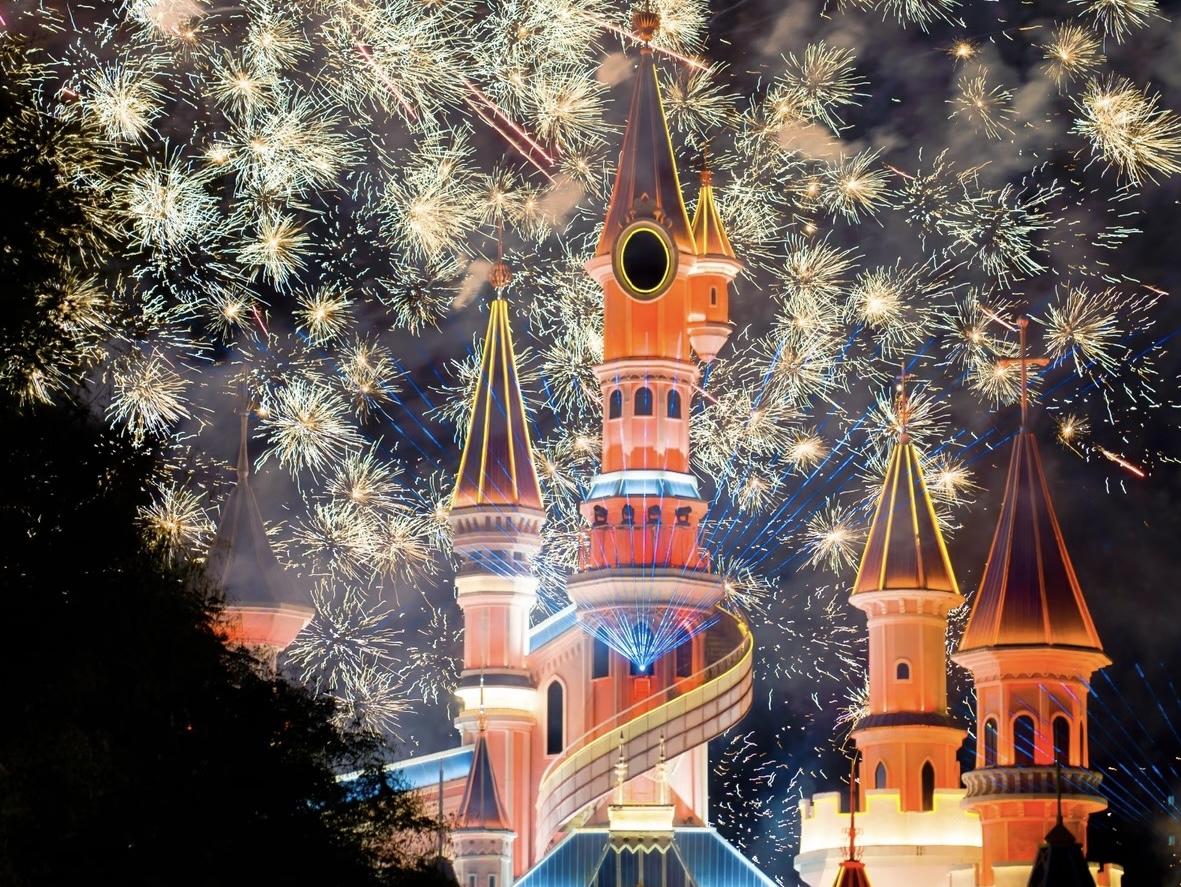
Shenyang Fantawild Adventure Park is a large-scale modern theme park that represents the city’s contemporary entertainment tourism. Featuring advanced technology, immersive rides, and themed attractions, the park integrates science, fantasy, and culture. Many attractions are inspired by Chinese mythology, history, and futuristic concepts, offering both excitement and educational value. It is especially popular among families and younger visitors.
In addition to thrill rides, Fantawild places strong emphasis on storytelling and interactive experiences. Indoor shows, 4D theaters, and virtual reality attractions provide entertainment throughout the year, regardless of weather. The park also contributes to Shenyang’s tourism diversity by balancing its traditional historical sites with modern leisure options. As part of the city’s cultural tourism upgrade, Shenyang Fantawild highlights how industrial cities can successfully transform into multi-dimensional travel destinations.
Shenyang Catholic Cathedral(沈阳天主教堂)
click here to see the map pin📍

Shenyang Catholic Cathedral, officially known as the Sacred Heart Cathedral, is one of the most important religious buildings in Northeast China. Built in the early 20th century, the cathedral features Gothic architectural elements such as pointed arches, tall spires, and stained-glass windows. Its elegant structure stands out in the urban landscape and reflects the historical influence of Western religion and culture in Shenyang.
Today, the cathedral remains an active place of worship while also attracting visitors interested in architecture and cultural exchange. The quiet interior contrasts with the busy city outside, offering a peaceful space for reflection. As a symbol of religious diversity, the cathedral demonstrates Shenyang’s openness and multicultural history. It also adds a unique cultural layer to the city’s tourism resources, complementing imperial, revolutionary, and modern urban attractions.
Shenyang World Expo Garden(沈阳世博园)
click here to see the map pin📍

Shenyang World Expo Garden was built for the 2006 International Horticultural Exposition and is now one of the city’s largest ecological tourism sites. Covering a vast area, it showcases themed gardens, exhibition halls, lakes, and natural landscapes. The design emphasizes harmony between humans and nature, highlighting environmental protection and sustainable development.
The park offers visitors a relaxing experience through seasonal flower displays, cultural exhibitions, and outdoor recreation. Different zones represent garden styles from China and around the world, making it both educational and visually appealing. As an eco-tourism destination, the World Expo Garden reflects Shenyang’s efforts to improve urban ecology and quality of life. It is particularly attractive to families, photographers, and visitors seeking a slower-paced, nature-focused travel experience within the city.
Shenyang Cuisine
Shenyang’s cuisine reflects the bold, hearty character of Northeast China, shaped by its cold climate and multicultural history. Dishes are known for generous portions, rich flavors, and practical cooking methods such as stewing, roasting, and pan-frying. Pork, beef, wheat-based foods, and pickled vegetables are common, offering warmth and energy during long winters. At the same time, Shenyang’s food culture has absorbed influences from Manchu traditions, Korean cuisine, and modern street food trends. From time-honored restaurants to bustling night markets, the city offers a wide range of flavors—savory dumplings, smoky grilled snacks, chewy noodles, and sweet rice treats. Whether enjoyed in a historic eatery or at a roadside stall, Shenyang’s food is approachable, comforting, and deeply connected to everyday local life.
Laobian Dumplings (老边饺子)

Laobian Dumplings are one of Shenyang’s most famous traditional foods, with a history of over a century. Known for their thin wrappers and juicy fillings, these dumplings emphasize freshness and careful craftsmanship. Popular fillings include pork with Chinese chives, cabbage, or seafood, seasoned lightly to highlight natural flavors. The dumplings are typically boiled and served hot, making them especially comforting in winter. Laobian Dumplings represent the refinement of northeastern home-style cooking and remain a must-try dish for visitors seeking authentic local cuisine.
Grilled Cold Noodles(烤冷面)

Grilled cold noodles are a signature Shenyang street food, especially popular at night markets. Made from chewy starch noodles, they are grilled on a hot iron plate, then mixed with egg, scallions, cilantro, chili sauce, and sweet bean paste. The contrast between the crispy surface and soft interior gives the dish its unique texture. Affordable and filling, grilled cold noodles reflect the creativity of local street vendors and the city’s lively urban food culture. They are especially loved by students and young people.
Grilled Chicken Frame(烤鸡架)
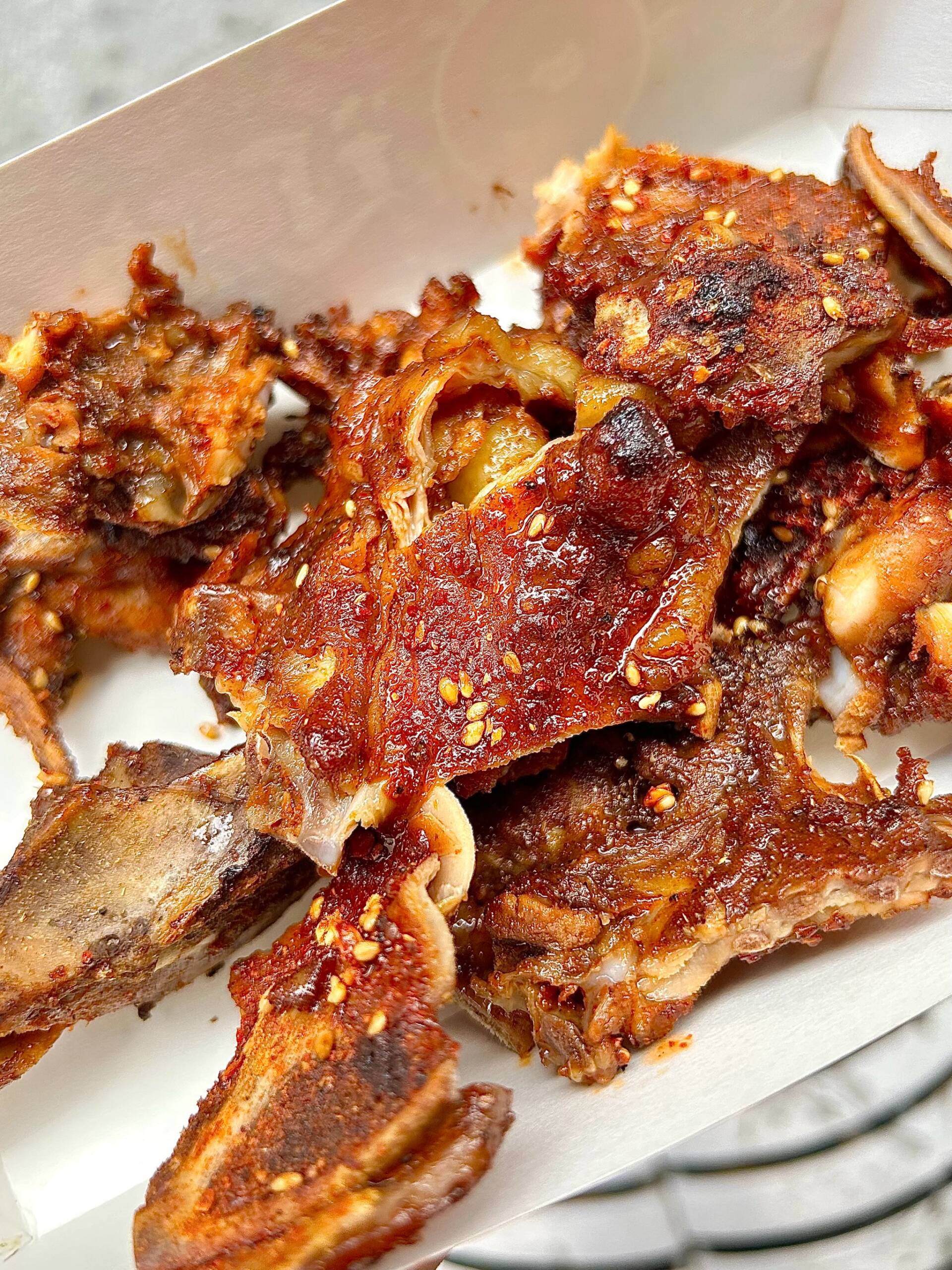
Grilled chicken frame is a uniquely northeastern snack made from chicken bones with remaining meat attached. Marinated with spices and grilled or roasted until fragrant, it offers a smoky flavor and satisfying chew. Often enjoyed with chili powder or cumin, it is both economical and flavorful. Locals enjoy slowly picking the meat while chatting with friends, making it a social food as much as a snack. Grilled chicken frame showcases Shenyang’s down-to-earth food culture and its appreciation for bold, savory tastes.
Korean Cold Noodles(朝鲜冷面)

Korean cold noodles are a refreshing and well-loved dish in Shenyang, reflecting the city’s strong Korean cultural influence. The noodles are thin, elastic, and served in icy broth made from beef or bone stock. Toppings often include sliced beef, cucumber, pear, and boiled egg. The flavor is light, slightly sweet, and pleasantly sour. Especially popular in summer, Korean cold noodles balance richness and freshness, offering a contrast to heavier northeastern dishes while highlighting Shenyang’s multicultural dining scene.
Da Gao (打糕)
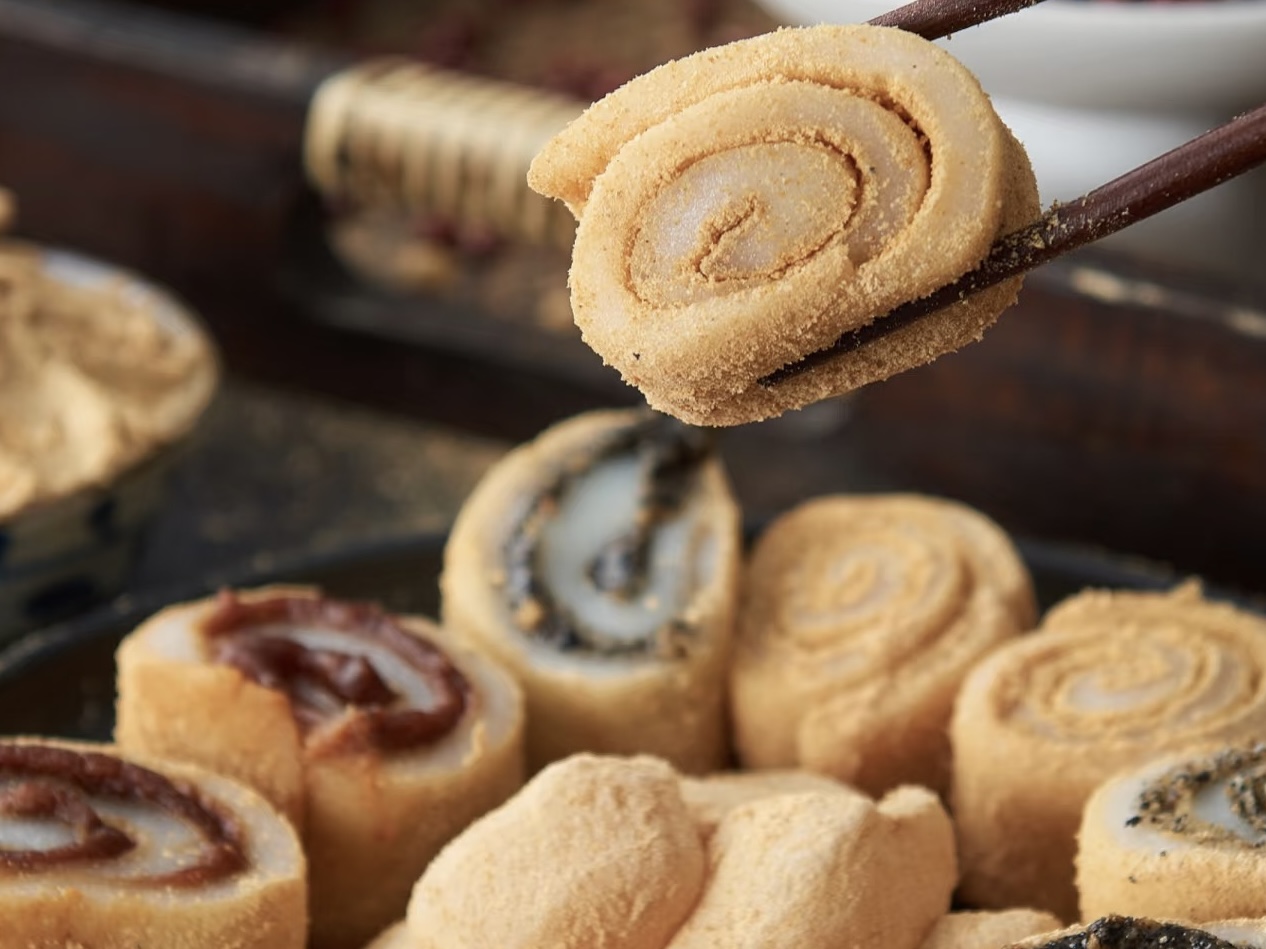
Da Gao is a traditional rice-based snack commonly found in Shenyang and surrounding regions. Made from glutinous rice, it has a soft, chewy texture and is often coated with soybean flour or filled with red bean paste. Slightly sweet and filling, Da Gao is commonly eaten as a snack or dessert. It reflects influences from both Manchu and Korean food traditions. Simple yet comforting, Da Gao is especially popular among older generations and remains a familiar taste of everyday life in Shenyang.
Best Time to Visit Shenyang
The best seasons to visit Shenyang are late spring, summer, and early autumn, when the weather is most comfortable and the city’s attractions are at their best. From May to June, temperatures are mild and parks such as Beiling Park and the World Expo Garden are filled with greenery and flowers, making it ideal for sightseeing and outdoor walks. Summer, especially July and August, brings warmer weather and lively city life, with night markets, street food, and cultural festivals adding energy to the evenings. Early autumn, from September to early October, is particularly popular, as the air becomes crisp and clear, and trees across the city turn golden. Although winter in Shenyang is long and cold, it offers a unique charm for travelers interested in snow scenery and winter culture. Overall, warmer months provide the most balanced and enjoyable travel experience.
Transportation in Shenyang
Shenyang has a well-developed transportation system that makes travel within the city convenient for visitors. The city is an important transportation hub in Northeast China, served by Shenyang Taoxian International Airport, high-speed rail lines, and an extensive railway network connecting it with major cities such as Beijing, Dalian, and Changchun. Within the city, public transportation is efficient and affordable, with multiple metro lines covering major districts, commercial areas, and key attractions. Buses and taxis are widely available, making short-distance travel easy.
Transportation between major attractions is generally convenient. Popular sites such as the Shenyang Imperial Palace, Zhang Xueliang Former Residence Museum, and Shenyang Catholic Cathedral are located relatively close to each other and can be reached by metro or taxi within a short time. More distant attractions like Beiling Park, Fantawild Adventure Park, and the World Expo Garden are accessible by metro combined with buses or ride-hailing services. Renting a car is also an option, especially for travelers planning flexible schedules or visiting suburban attractions. Car rental services are available at the airport, major train stations, and online platforms, offering a comfortable and efficient way to explore the city and its surroundings.
A 3-Day Travel Itinerary
Day 1-Exploring Imperial and Historical Heritage
Centers on Shenyang’s imperial history. Begin your morning at the Shenyang Imperial Palace(沈阳故宫), exploring the grand halls, courtyards, and Manchu architectural features that reflect the early Qing Dynasty. Take time to visit the museum within the palace, where historical artifacts, paintings, and documents provide insight into royal life. After lunch, head to the Zhang Xueliang Former Residence Museum(张学良旧居陈列馆) to learn about modern Chinese history and the Republican era. Conclude the day at the Shenyang Catholic Cathedral(沈阳天主教堂), appreciating its Gothic architecture and quiet atmosphere. In the evening, stroll through nearby streets and try local dishes such as Laobian Dumplings or grilled cold noodles.
Day 2-Gardens, Culture, and Urban Leisure
Highlights cultural and recreational attractions. Start the morning at the Shenyang World Expo Garden(沈阳世博园), enjoying its landscaped gardens, lakes, and seasonal flower displays. Take your time walking through themed zones that represent different regions and garden styles. In the afternoon, explore local markets or shopping streets to experience modern urban life and pick up souvenirs. This combination of nature and city culture offers a relaxed and visually appealing day.
Day 3-Thrills and Modern Entertainment
Dedicated to entertainment and modern attractions. Spend most of the day at Shenyang Fantawild Adventure Park(沈阳方特乐园), experiencing thrilling rides, interactive shows, and immersive themed zones. After returning to the city, enjoy a farewell dinner featuring Shenyang’s hearty northeastern cuisine, completing a well-rounded journey that balances history, culture, and modern leisure.
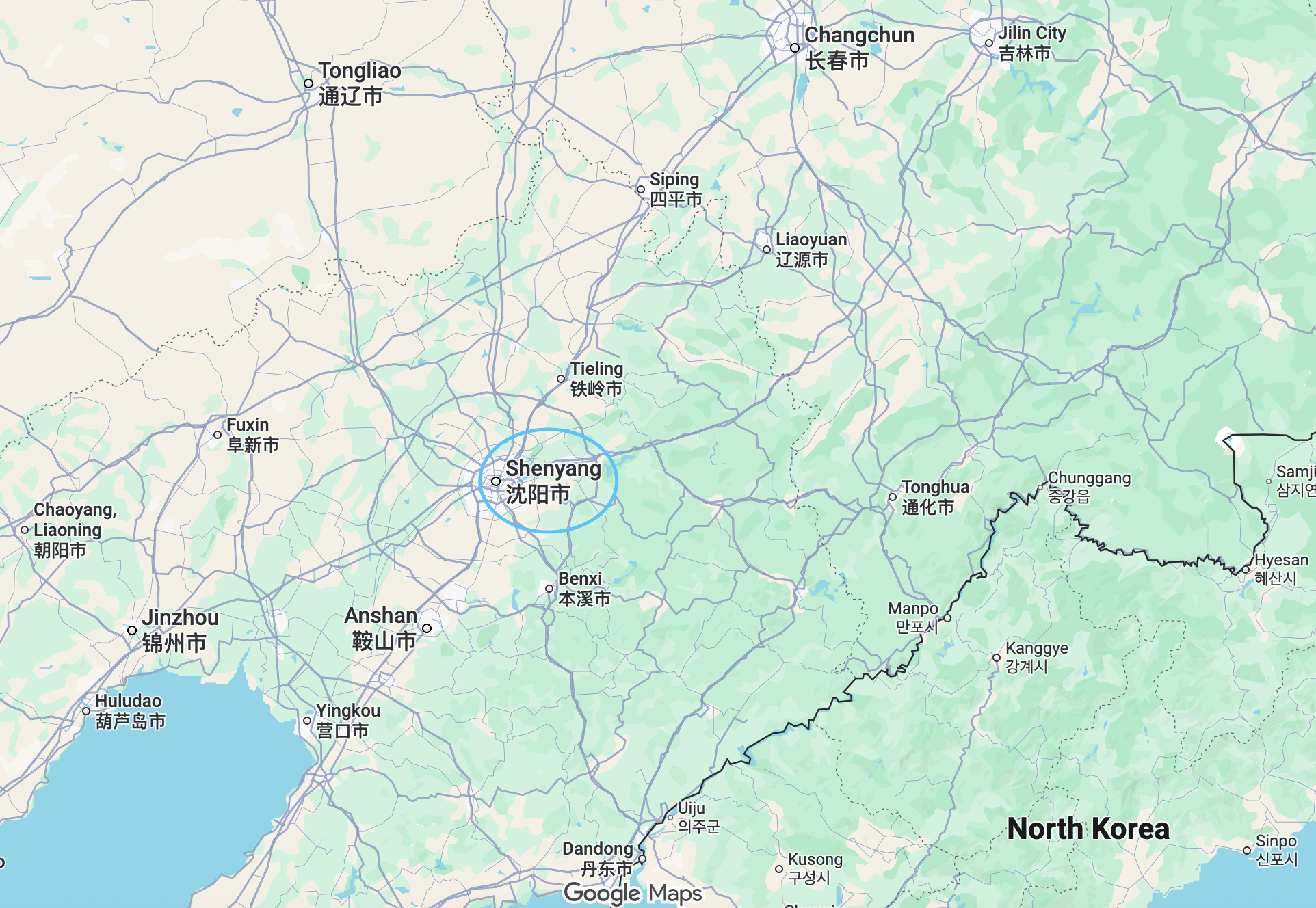
Shenyang offers a well-balanced travel experience where Qing dynasty heritage, modern urban life,
and distinctive northeastern culture come together in a dynamic and approachable city.
Are you interested in traveling around China?
🌏✨ Experience teaching with MEF World and travel the world.✨🌏
Join our FREE webinar to learn more: https://cutt.ly/ne9bTUJd
See current jobs: https://cutt.ly/oeUbBjAF
Apply now: https://cutt.ly/meUbM7xG
Teaching in China = adventure, growth, and memories for a lifetime.
What are the critical steps for a university graduate to secure a teaching job and work visa in a Chinese kindergarten?
How can university graduates effectively demonstrate cultural sensitivity and teaching aptitude during kindergarten job interviews in China?
What strategies help graduates transition from kindergarten English teaching to advanced roles in China?
