
Kaifeng(开封):A Journey Through Song Dynasty Elegance

Kaifeng is one of China’s ancient capitals, best known for its deep historical heritage and well-preserved cultural landscape. As the capital of the Northern Song Dynasty, it offers rich tourism resources centered on history, architecture, and traditional culture. Iconic sites include the Iron Pagoda, Dragon Pavilion, and the well-known Qingming Riverside Landscape Garden, which recreates daily life depicted in the classic painting Along the River During the Qingming Festival. Kaifeng is also famous for its city walls, ancient streets, and museums that showcase Song Dynasty politics, art, and technology. In addition, religious landmarks such as Daxiangguo Temple reflect the city’s spiritual legacy. Beyond historical attractions, Kaifeng’s vibrant food culture—especially its traditional snacks and night markets—adds strong experiential value. Together, historical relics, cultural performances, folk customs, and cuisine make Kaifeng a comprehensive destination for cultural and heritage tourism.
The places you abusolutely must visit
Qingming Riverside Landscape Garden (清明上河园)
click here to see the map pin📍
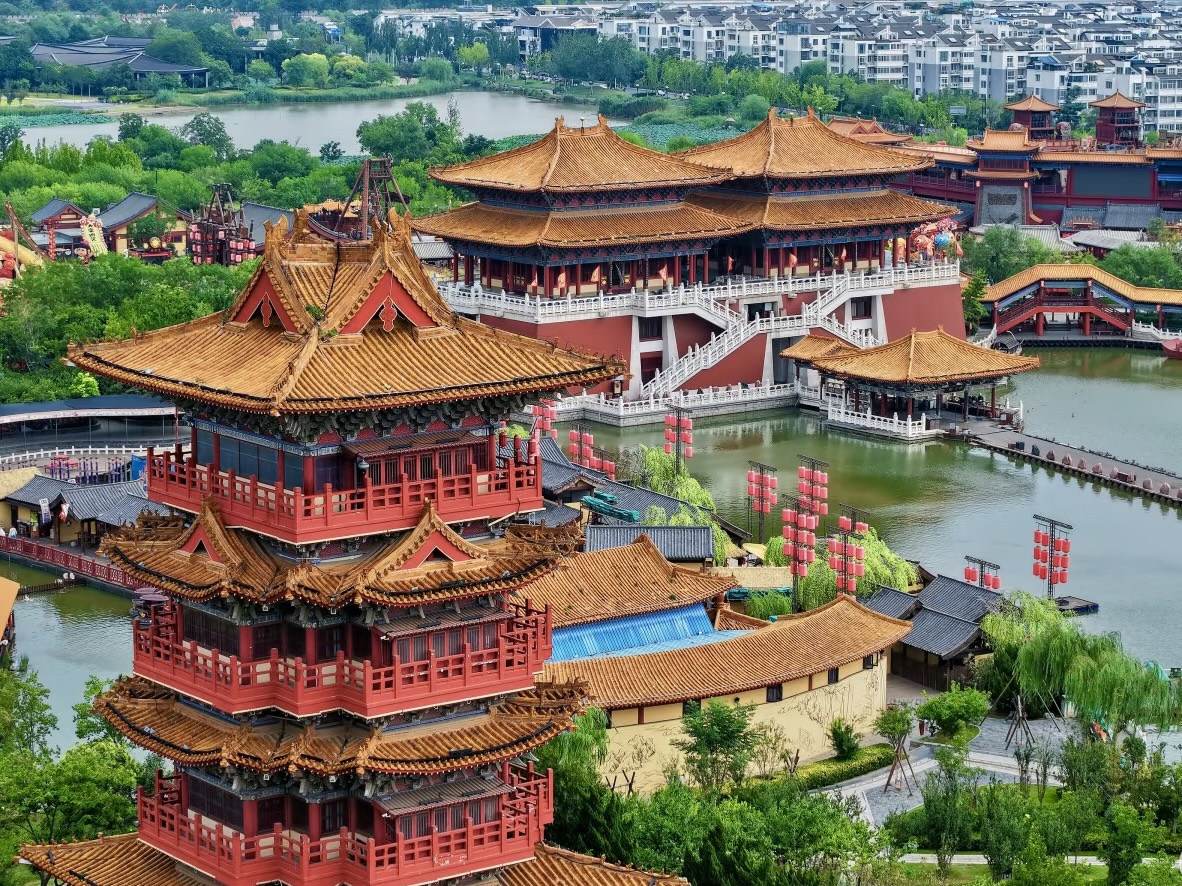
Qingming Riverside Landscape Garden is Kaifeng’s most iconic cultural attraction, inspired by the famous Northern Song Dynasty painting Along the River During the Qingming Festival. The park is designed as a large-scale immersive recreation of Song Dynasty urban life, featuring traditional architecture, waterways, bridges, markets, and residential courtyards. Visitors can walk through streets lined with teahouses, shops, and workshops that reflect the prosperity of ancient Bianjing, the former name of Kaifeng. The layout closely follows historical records, making the site both visually impressive and culturally meaningful.
What sets Qingming Riverside Landscape Garden apart is its strong emphasis on live performances and interactive experiences. Daily shows include folk dances, traditional music, martial arts demonstrations, acrobatics, and reenactments of imperial ceremonies. Actors dressed in period costumes interact with visitors, creating a vivid sense of time travel. Seasonal festivals and night performances add further appeal, especially when lanterns illuminate the waterways. By combining historical authenticity with entertainment, the park offers an engaging way to understand Song Dynasty social life, economy, and aesthetics, making it a highlight of any visit to Kaifeng.
Kaifeng Prefecture (开封府)
click here to see the map pin📍
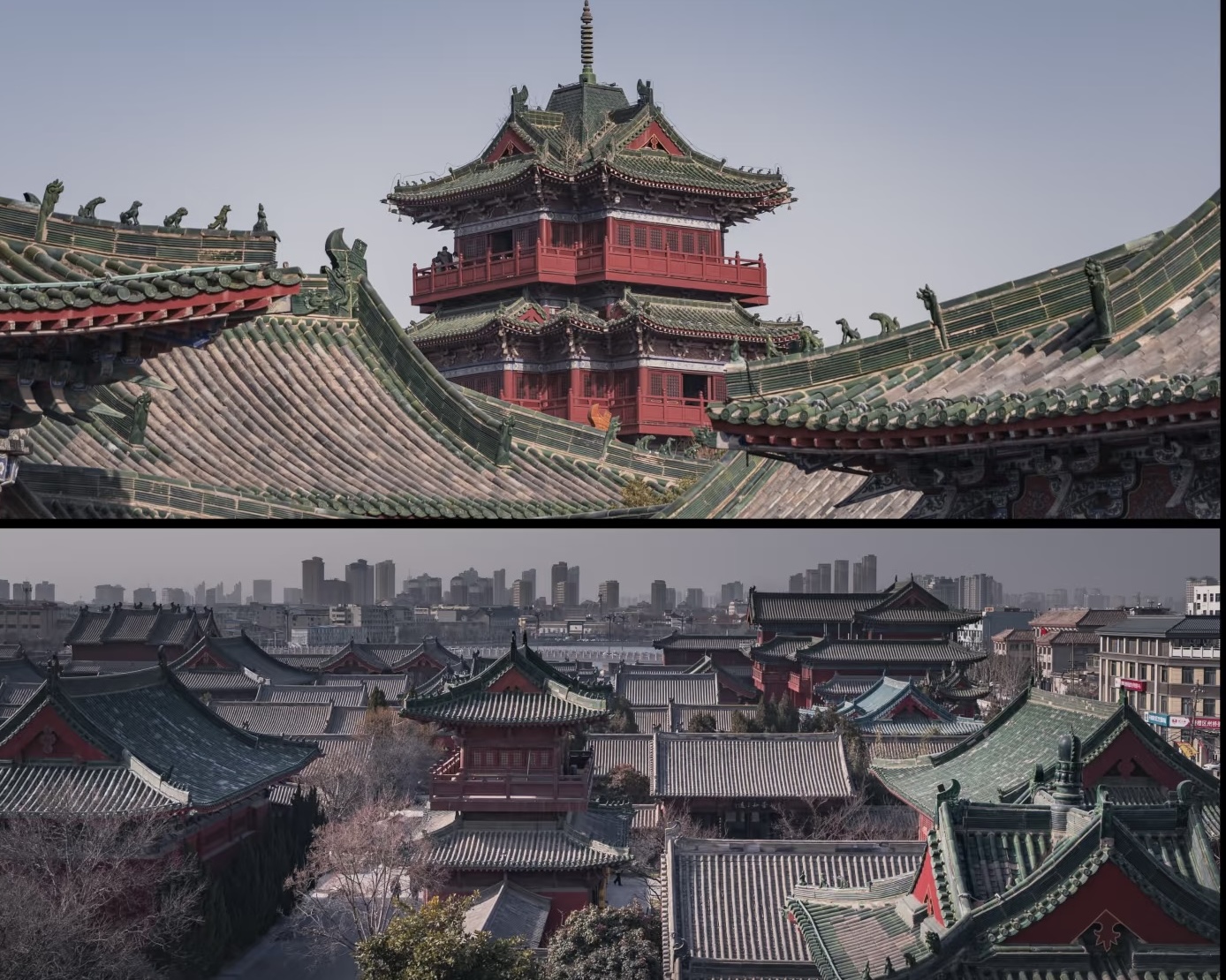
Kaifeng Prefecture is a historical-themed attraction based on the administrative center of the Northern Song Dynasty. It is closely associated with Bao Zheng, the legendary upright official also known as Judge Bao, who symbolizes justice and integrity in Chinese culture. The site recreates the architectural style of a Song-era government compound, complete with ceremonial gates, court halls, prisons, and official residences. Through its spatial design, Kaifeng Prefecture offers insight into ancient Chinese governance and legal systems.
A major highlight of Kaifeng Prefecture is its live courtroom reenactments, where actors dramatize famous cases judged by Bao Zheng. These performances are both educational and entertaining, helping visitors understand traditional legal procedures and moral values. Exhibitions within the complex explain administrative structures, punishment methods, and the daily work of officials during the Song Dynasty. The attraction successfully blends history, folklore, and performance, allowing visitors to experience ancient law and order in a vivid, accessible way. Kaifeng Prefecture is especially appealing to those interested in Chinese legal history and traditional ethics.
Daxiangguo Temple(大相国寺)
click here to see the map pin📍
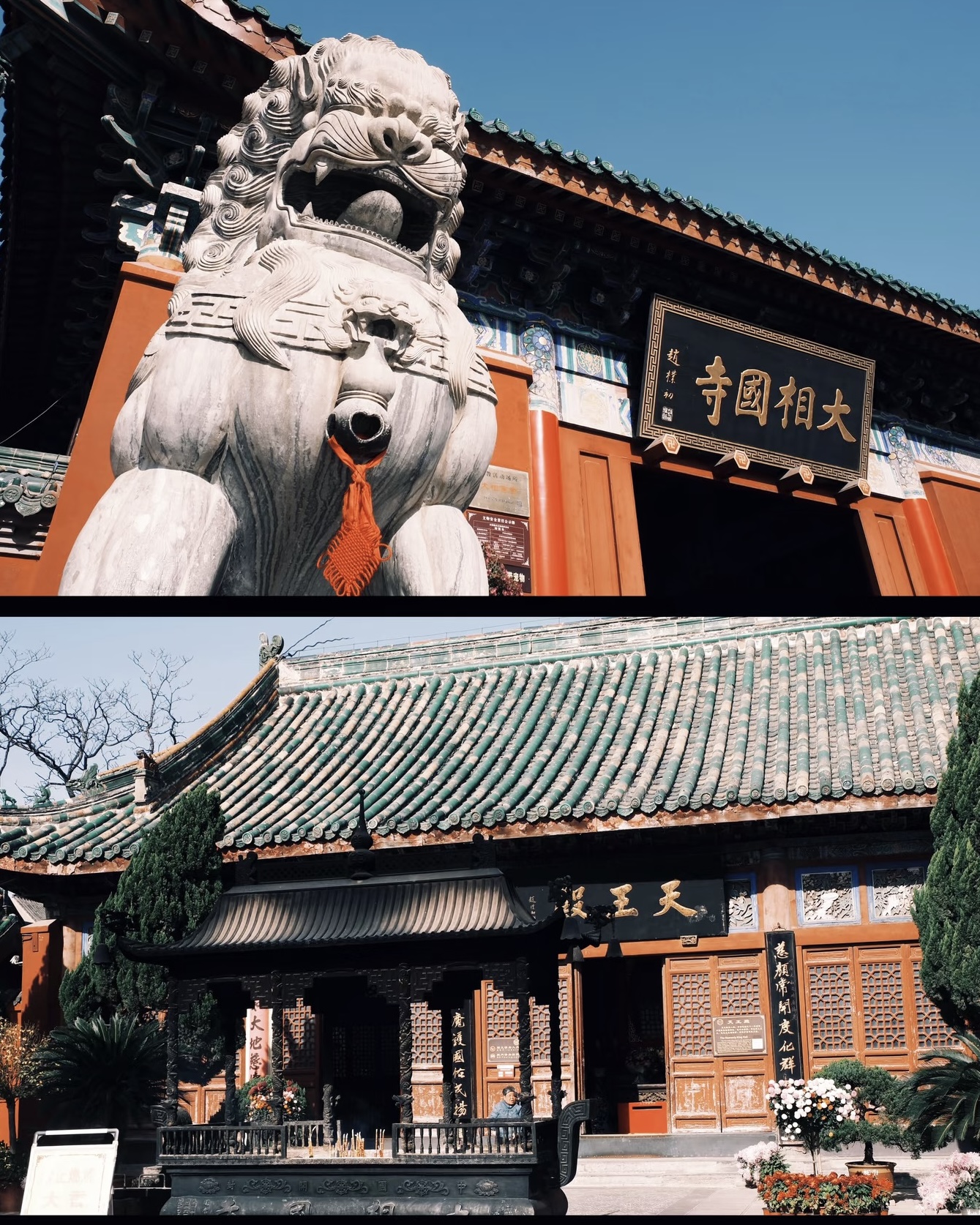
Daxiangguo Temple is one of the most important Buddhist temples in central China, with a history dating back over 1,400 years. It reached its peak during the Northern Song Dynasty, when Kaifeng was the imperial capital and the temple enjoyed strong royal patronage. The temple complex features grand halls, ancient trees, stone inscriptions, and statues that reflect both religious devotion and imperial aesthetics. Its central axis layout follows traditional Buddhist architectural principles, creating a solemn and harmonious atmosphere.
Beyond its architectural value, Daxiangguo Temple holds deep cultural and religious significance. It has been associated with many historical figures, scholars, and monks, and it frequently appears in classical literature. Today, the temple remains an active place of worship, attracting pilgrims as well as tourists. Buddhist ceremonies, chanting, and incense offerings allow visitors to observe living religious traditions. As a symbol of Kaifeng’s spiritual heritage, Daxiangguo Temple offers a calm and reflective contrast to the city’s more lively attractions, making it an essential stop for understanding Kaifeng’s cultural depth.
Gulou Night Market(鼓楼夜市)
click here to see the map pin📍
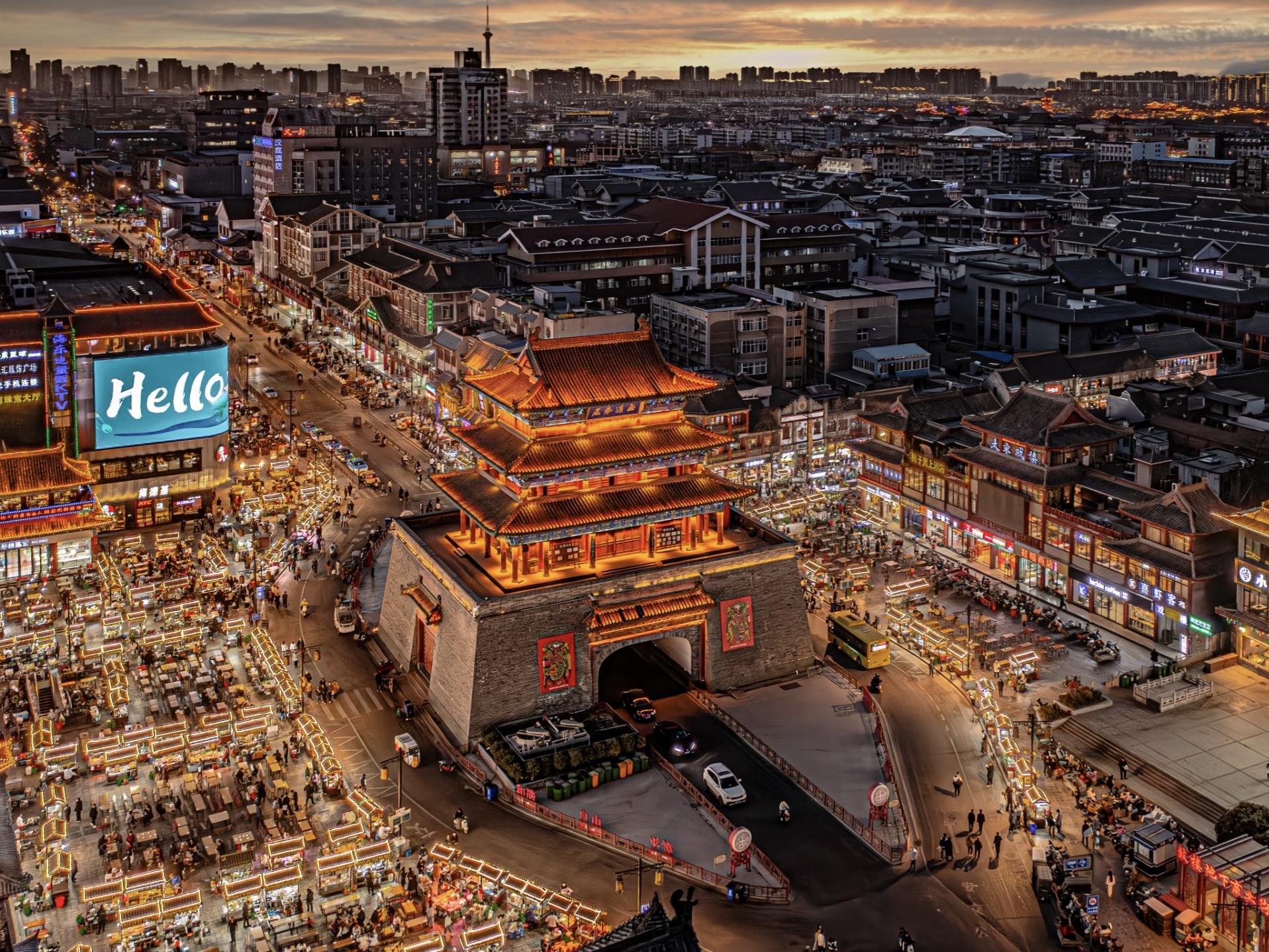
Gulou Night Market is the most vibrant expression of Kaifeng’s local life and culinary culture. Located near the historic Drum Tower, the market comes alive after sunset, filling the streets with food stalls, lights, and crowds. It is one of the best places to experience Kaifeng’s traditional snacks, many of which have roots in the Song Dynasty. Popular foods include guantang baozi (soup dumplings), fried cakes, sesame pancakes, and various noodle dishes.
The appeal of Gulou Night Market goes beyond food. The lively atmosphere, street performances, and constant movement reflect the everyday culture of the city. Locals and visitors mingle freely, creating a welcoming and energetic environment. Compared with formal tourist attractions, the night market offers a more authentic and sensory experience of Kaifeng. It showcases how historical food traditions continue to shape modern urban life. For many travelers, an evening at Gulou Night Market becomes one of the most memorable parts of their trip, offering a taste of Kaifeng that is both literal and cultural.
Kaifeng Museum(开封博物馆)
click here to see the map pin📍
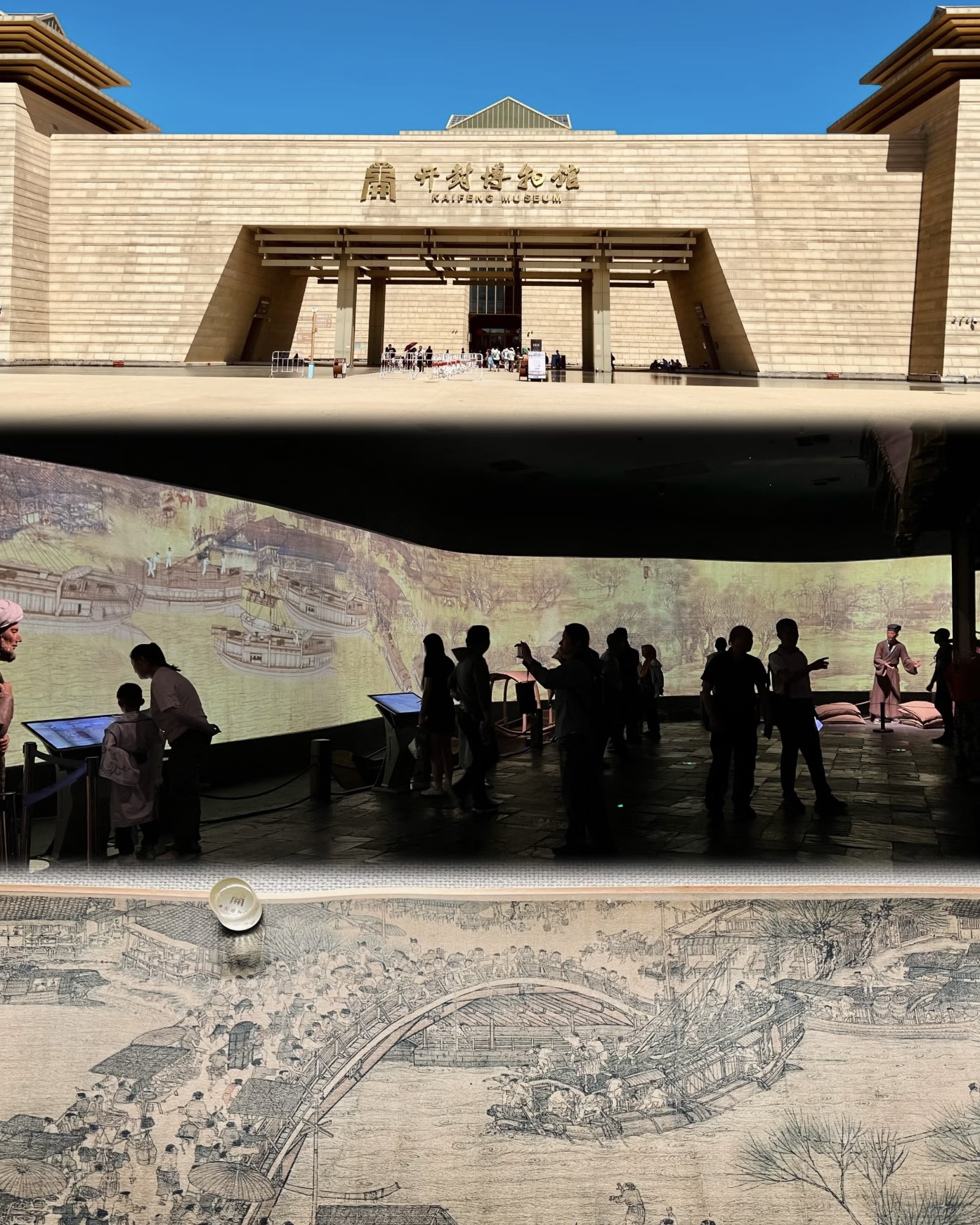
Kaifeng Museum is a comprehensive cultural institution that presents the city’s long and complex history. The museum’s exhibitions cover multiple periods, with a strong focus on the Northern Song Dynasty, when Kaifeng was one of the world’s most prosperous cities. Artifacts on display include ceramics, murals, calligraphy, coins, and everyday objects excavated from archaeological sites. Through these collections, visitors can gain a clear understanding of Kaifeng’s political importance, urban development, and artistic achievements.
The museum is well-organized and educational, using detailed explanations, models, and multimedia displays to bring history to life. Special sections explore themes such as ancient city planning, water management, and cultural exchanges along historical trade routes. Kaifeng Museum serves as an ideal starting point for exploring the city, providing historical context that enhances visits to other attractions. By combining academic depth with accessible presentation, the museum plays a vital role in preserving Kaifeng’s heritage and helping visitors appreciate the city’s lasting influence on Chinese civilization.
Kaifeng Cuisine
Kaifeng cuisine is deeply rooted in the food culture of the Northern Song Dynasty, reflecting a long tradition of refinement, balance, and everyday practicality. As a former imperial capital, Kaifeng developed a culinary style that blends court influences with folk flavors. Its dishes emphasize light seasoning, clear broths, delicate techniques, and original taste rather than heavy spice. Wheat-based foods such as steamed buns, pancakes, and noodles are central, while soups and braised dishes play an important role in daily meals. Street food culture is especially vibrant, with night markets offering a wide variety of traditional snacks passed down through generations. Many Kaifeng dishes focus on warmth and nourishment, suitable for the climate and lifestyle of the Central Plains. Together, classic snacks, hearty soups, and time-honored cooking methods form a distinctive culinary system that highlights Kaifeng’s historical depth and strong connection between food and local life.
Guantang Baozi (灌汤包)

Guantang baozi are Kaifeng’s most famous signature food, known for their thin skin and rich soup filling. The dumplings are traditionally filled with minced pork and aspic, which melts into flavorful broth when steamed. Eating them requires care, as the soup inside is hot and abundant. The standard method is to gently bite a small hole, sip the soup, and then enjoy the dumpling. Guantang baozi reflect Kaifeng’s emphasis on refined technique and balance of texture, making them a symbol of the city’s culinary heritage.
Youtiao with Egg (油条灌蛋)
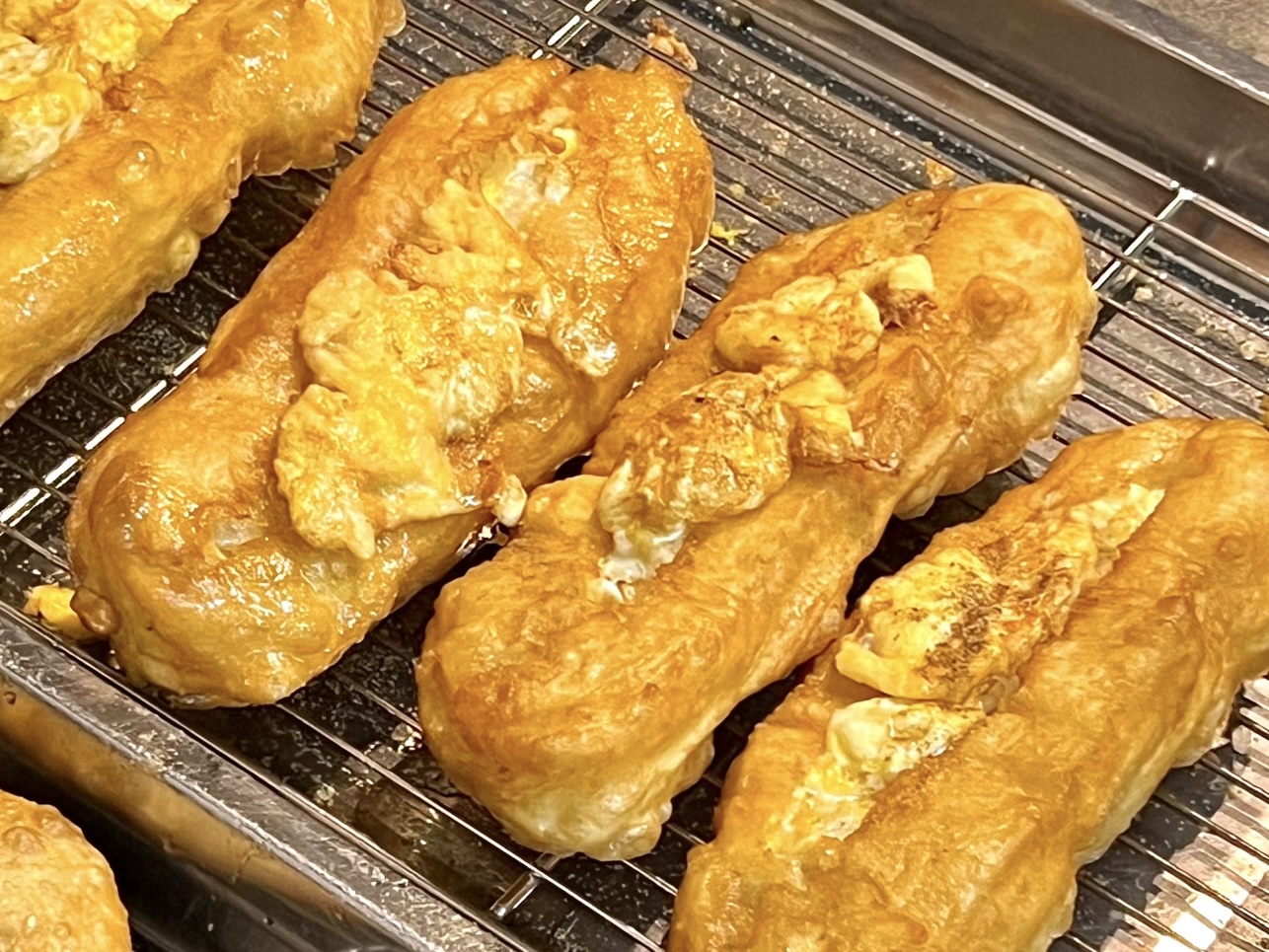
Youtiao guan jidan is a distinctive Kaifeng breakfast dish that combines crispy fried dough sticks with soft, savory egg filling. After the youtiao is freshly fried, a whole egg is poured inside and gently cooked, creating a contrast between the crunchy exterior and tender interior. Often seasoned lightly with salt or spices, it is simple yet satisfying. This dish represents Kaifeng’s creative use of everyday ingredients and is especially popular in the morning markets, where it provides warmth, energy, and a strong sense of local flavor.
Hulatang(胡辣汤)
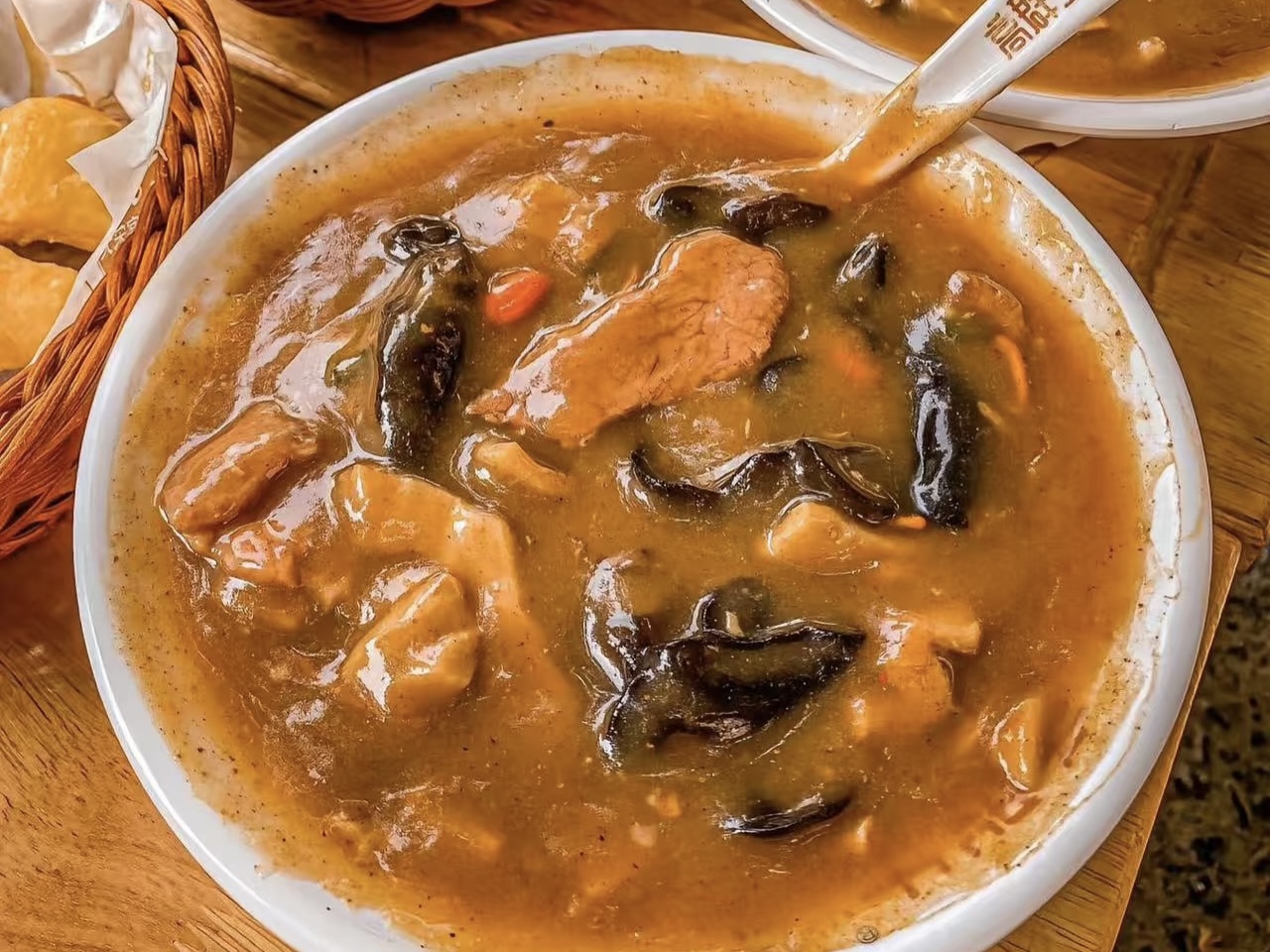
Hulatang is a hearty and warming soup widely enjoyed in Kaifeng, especially during colder seasons. Made from a thick broth with beef or lamb, vegetables, and starch, it is flavored with pepper and aromatic spices. The soup has a rich texture and bold taste that stimulates the appetite. Often eaten with fried dough or flatbread, hulatang is a common breakfast choice for locals. Its strong, comforting flavor reflects the practical and nourishing nature of Kaifeng cuisine, emphasizing warmth, fullness, and everyday satisfaction.
Siwei Huicai (四味烩菜)
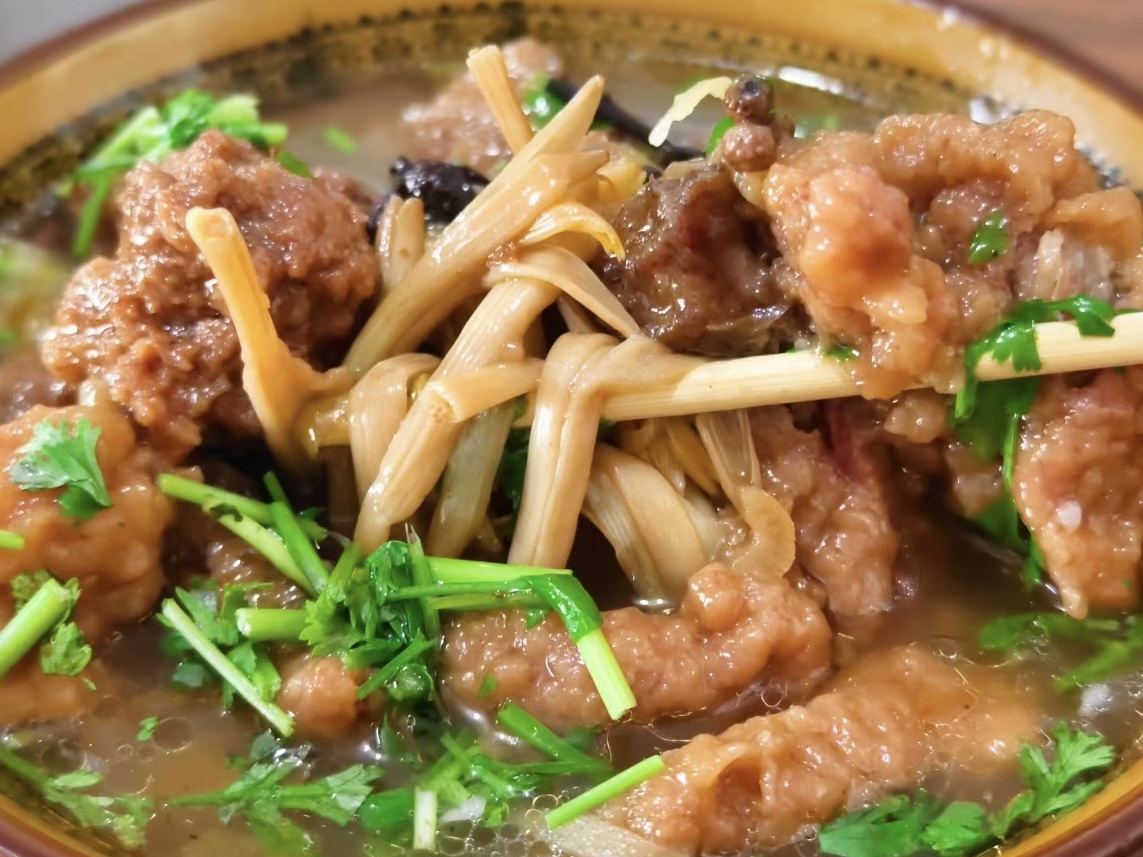
Siwei huicai is a traditional Kaifeng home-style dish that combines four main ingredients, usually meat, vegetables, tofu, and vermicelli, slowly stewed together. The dish focuses on harmony rather than complexity, allowing each ingredient to absorb the flavor of the broth. It is mild, savory, and filling, often served as a shared dish at family meals. Siwei huicai reflects the Central Plains cooking philosophy of balance and moderation, highlighting Kaifeng’s preference for wholesome, comforting food rooted in daily life.
Tongzi Chicken (筒子鸡)

Tongzi chicken is a classic Kaifeng specialty known for its tender texture and rich aroma. The chicken is carefully seasoned and slowly cooked, traditionally in a cylindrical container, which helps preserve moisture and flavor. The result is meat that is soft, fragrant, and evenly seasoned. Often served warm or at room temperature, it is popular both as a main dish and as a takeaway specialty. Tongzi chicken showcases Kaifeng’s mastery of slow cooking techniques and its emphasis on bringing out the natural taste of quality ingredients.
Best Time to Visit
The best seasons to visit Kaifeng are spring and autumn, when the weather is mild and comfortable. Spring, from March to May, features warming temperatures and blooming flowers, making it ideal for sightseeing in parks, ancient streets, and historical attractions such as Qingming Riverside Landscape Garden. This season also hosts cultural activities that highlight Kaifeng’s Song Dynasty heritage. Autumn, from September to November, is equally pleasant, with clear skies and cooler air that suit walking tours and outdoor exploration. In contrast, summers in Kaifeng can be hot and humid, while winters are often cold and dry, which may limit outdoor comfort. Traveling in spring or autumn allows visitors to fully enjoy the city’s historical sites, night markets, and local cuisine without extreme weather. Overall, these two seasons offer the best balance of climate, scenery, and cultural experience for a rewarding visit to Kaifeng.
Transportation in Kaifeng
Kaifeng’s transportation system is convenient and well suited for tourists. The city is connected to major destinations in Henan Province by high-speed rail, with Kaifeng North Railway Station providing fast links to Zhengzhou, Luoyang, and other cities. Long-distance buses also operate frequently, making regional travel easy. Within the city, public transportation is mainly based on buses and taxis, covering most urban areas and major tourist sites. Ride-hailing services are widely available and affordable, offering a flexible option for visitors.
Most of Kaifeng’s key attractions are concentrated within the old city area, so travel between sites is relatively short. Many places, such as Qingming Riverside Landscape Garden, Kaifeng Prefecture, Daxiangguo Temple, and Gulou Night Market, can be reached within 10–20 minutes by taxi. Cycling and walking are also practical choices for exploring nearby attractions. Car rental services are available, but renting a car is generally unnecessary for city sightseeing due to compact distances, traffic restrictions near attractions, and convenient alternatives like taxis and ride-hailing.
A 3-Day Travel Itinerary
Day 1-Kaifeng Museum
Arrive in Kaifeng and begin your trip with Kaifeng Museum(开封博物馆) to gain a clear understanding of the city’s history, especially its role during the Northern Song Dynasty. This background will help you appreciate the sites you visit later. After lunch, head to Kaifeng Prefecture, where you can explore the reconstructed government complex and watch courtroom reenactments related to Judge Bao. In the late afternoon, take a relaxed walk around the old city area. In the evening, visit Gulou Night Market (鼓楼夜市)to experience Kaifeng’s street food culture and try local specialties such as guantang baozi and hulatang.
Day 2-Qingming Riverside Landscape Garden
Spend most of the day at Qingming Riverside Landscape Garden(清明上河园). Take your time exploring the streets, bridges, and waterways inspired by the famous Song Dynasty painting. Watch scheduled folk performances, acrobatics, and ceremonial shows throughout the day. Have lunch inside the park to enjoy traditional-style dishes. In the evening, stay for the night performances and lantern-lit scenery, which create a vivid atmosphere of ancient Kaifeng and are often considered the highlight of the visit.
Day 3-Daxiangguo Temple
Visit Daxiangguo Temple(大相国寺) in the morning to experience Kaifeng’s religious and spiritual heritage. The calm environment offers a nice contrast to the lively attractions of previous days. Afterward, explore nearby historic streets and local shops. If you prefer a shorter trip, you can depart in the afternoon. For a more relaxed pace, stay an extra night and enjoy another evening walk or revisit your favorite food spots.
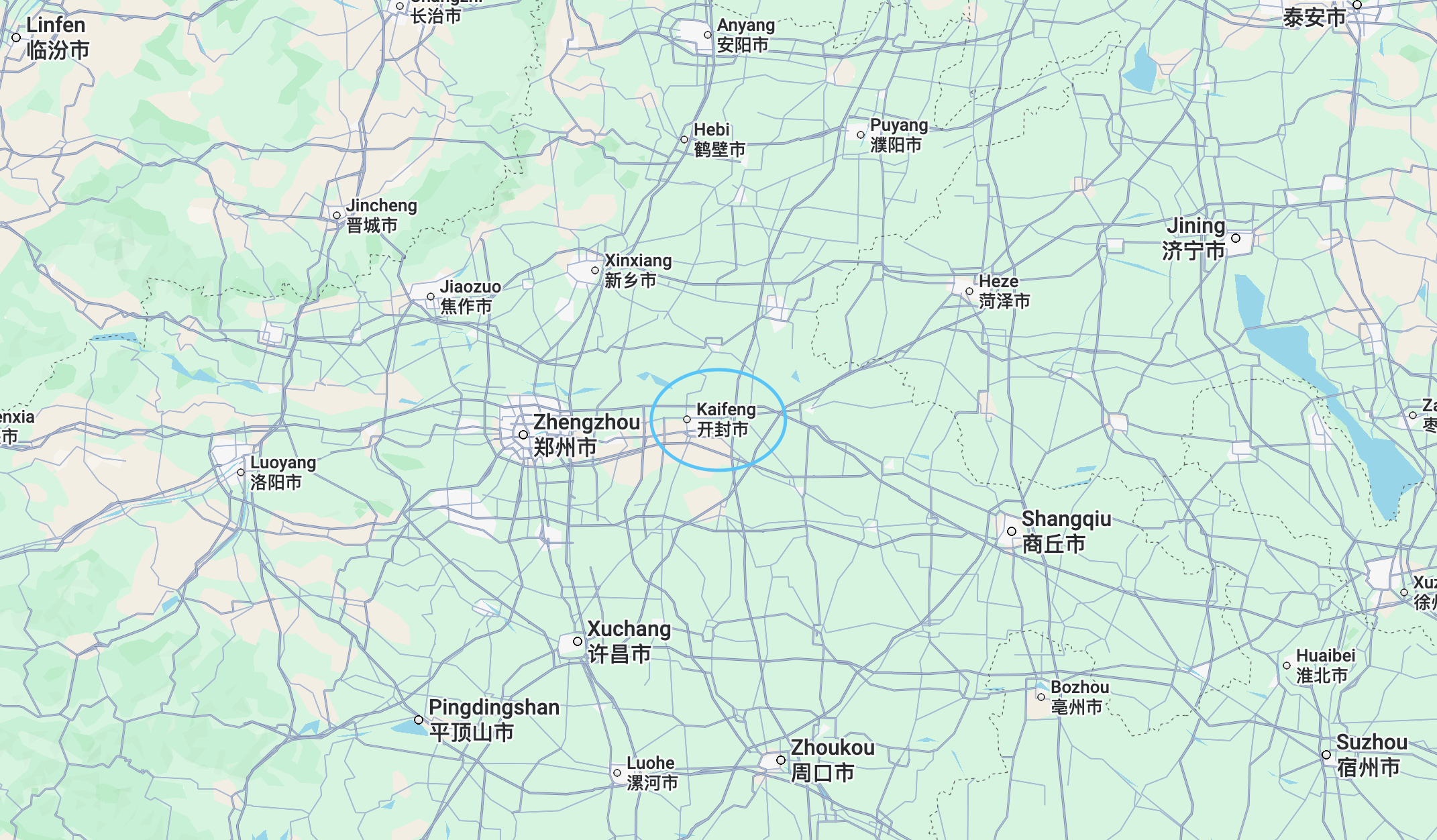
Kaifeng offers a rich blend of history, culture, cuisine, and everyday life,
allowing travelers to experience the lasting charm of China’s Northern Song Dynasty in a compact and vivid city.
Are you interested in traveling around China?
🌏✨ Experience teaching with MEF World and travel the world.✨🌏
Join our FREE webinar to learn more: https://cutt.ly/ne9bTUJd
See current jobs: https://cutt.ly/oeUbBjAF
Apply now: https://cutt.ly/meUbM7xG
Teaching in China = adventure, growth, and memories for a lifetime.
What are the critical steps for a university graduate to secure a teaching job and work visa in a Chinese kindergarten?
How can university graduates effectively demonstrate cultural sensitivity and teaching aptitude during kindergarten job interviews in China?
What strategies help graduates transition from kindergarten English teaching to advanced roles in China?
