
Nanjing(南京): Discovering Nanjing: A Journey Through China’s Ancient Imperial Capitals
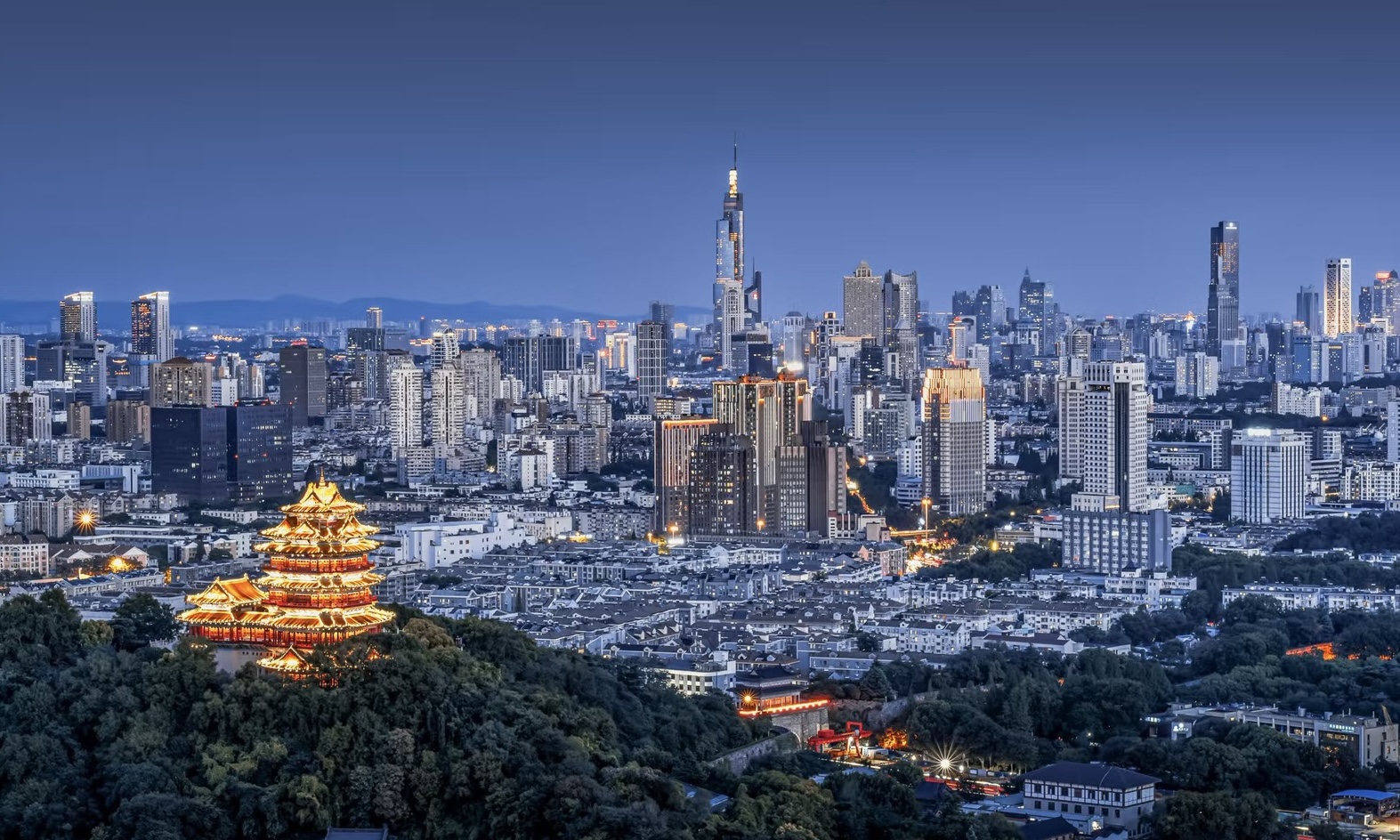
Nanjing, the ancient capital of six dynasties and ten kingdoms, stands as a profound testament to China’s rich historical tapestry. Unlike the bustling, hyper-modern metropolises that dominate the country’s eastern seaboard, this city offers a deeply contemplative atmosphere where ancient ruins seamlessly blend with vibrant contemporary life. Strolling beneath the towering canopy of plane trees that line the grand boulevards, visitors are immediately transported to a bygone era of imperial grandeur and scholarly pursuit. The city’s unique geographical setting, nestled between the winding Yangtze River and the serene Purple Mountain, provides a breathtaking natural backdrop that has inspired poets and emperors for millennia. Every cobblestone and weathered brick here whispers tales of triumph, tragedy, and enduring cultural resilience.
Beyond its undeniable historical significance, modern Nanjing pulses with an energetic, youthful vitality driven by its numerous prestigious universities and thriving tech industries. This fascinating duality makes it an exceptionally rewarding destination for travelers seeking both intellectual stimulation and sensory delight. You can spend your morning exploring the solemn, awe-inspiring mausoleums of Sun Yat-sen and the first Ming emperor, then transition into the evening wandering through the neon-lit, bustling alleys of the Confucius Temple area. The local culinary scene is equally captivating, offering a spectacular array of duck-based delicacies and hearty street foods that reflect the city’s geographical position at the crossroads of northern and southern Chinese gastronomic traditions. Ultimately, Nanjing is a city that rewards the curious wanderer with unforgettable, multi-layered experiences.
The Places You Absolutely Must Visit:
Sun Yat-sen Mausoleum 中山陵
click here to see the map pin📍
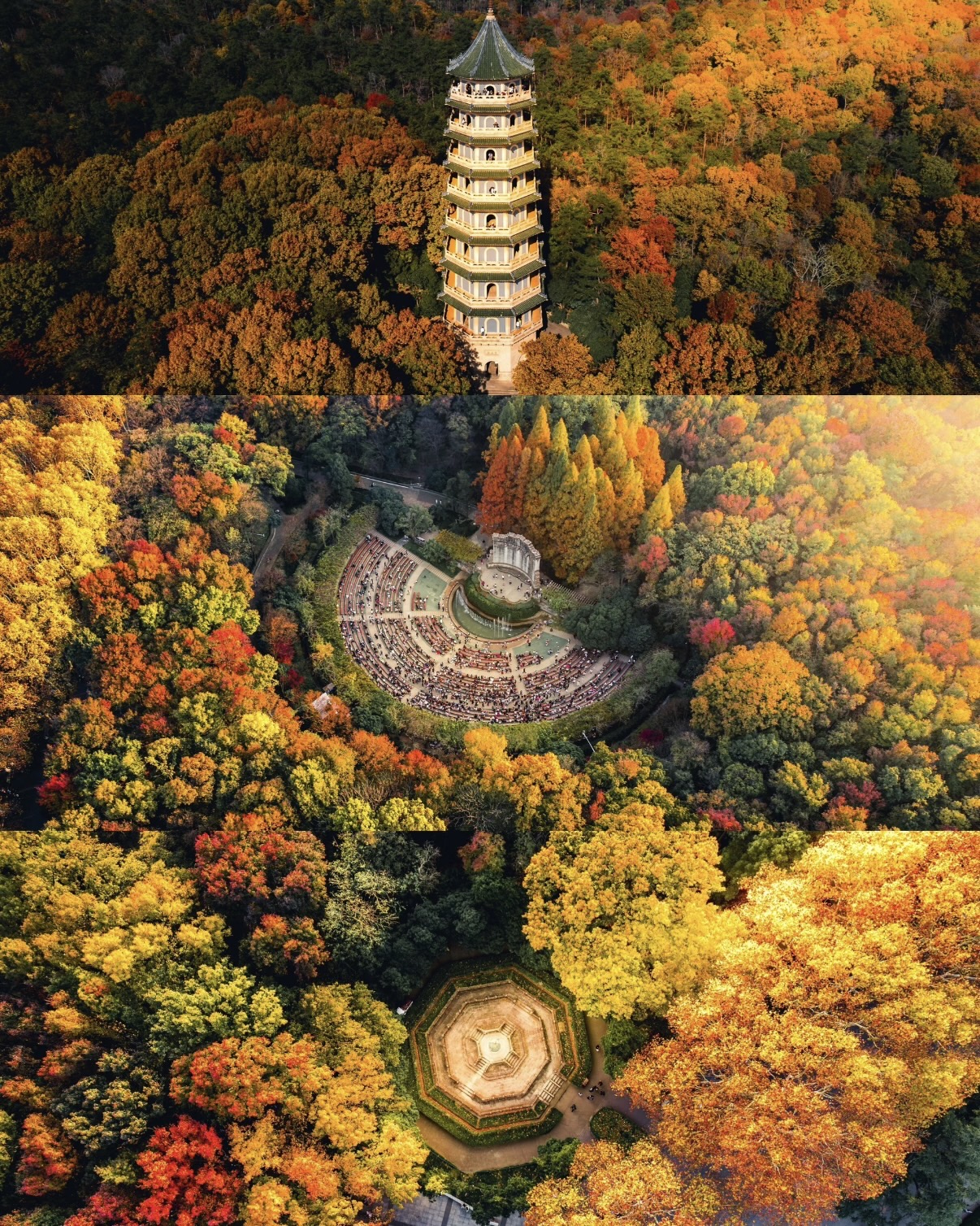
Perched majestically on the southern slope of Purple Mountain, the Sun Yat-sen Mausoleum is a monumental tribute to the founding father of modern China. The architectural masterpiece seamlessly blends traditional Chinese imperial styles with modern functionalism, featuring a striking blue-tiled roof that contrasts beautifully against the surrounding lush forest. Ascending the long, steep flight of granite steps is physically rewarding, culminating in a breathtaking panoramic view of the sprawling Nanjing basin. The solemn atmosphere inside the main memorial hall, where a magnificent marble statue sits in quiet contemplation, deeply resonates with every visitor.
Beyond the central memorial hall, the extensive grounds offer a tranquil escape into nature, with beautifully landscaped gardens and winding pathways that invite leisurely exploration. The site is particularly spectacular during the autumn months when the surrounding foliage transforms into a vibrant tapestry of gold, crimson, and burnt orange. Early morning visits are highly recommended to avoid the heavy crowds and to experience the profound, misty serenity that envelops the mountain before the city fully awakens. It remains an essential pilgrimage site that perfectly encapsulates the revolutionary spirit and enduring legacy of a pivotal historical figure.
Ming Xiaoling Mausoleum 明孝陵
click here to see the map pin📍
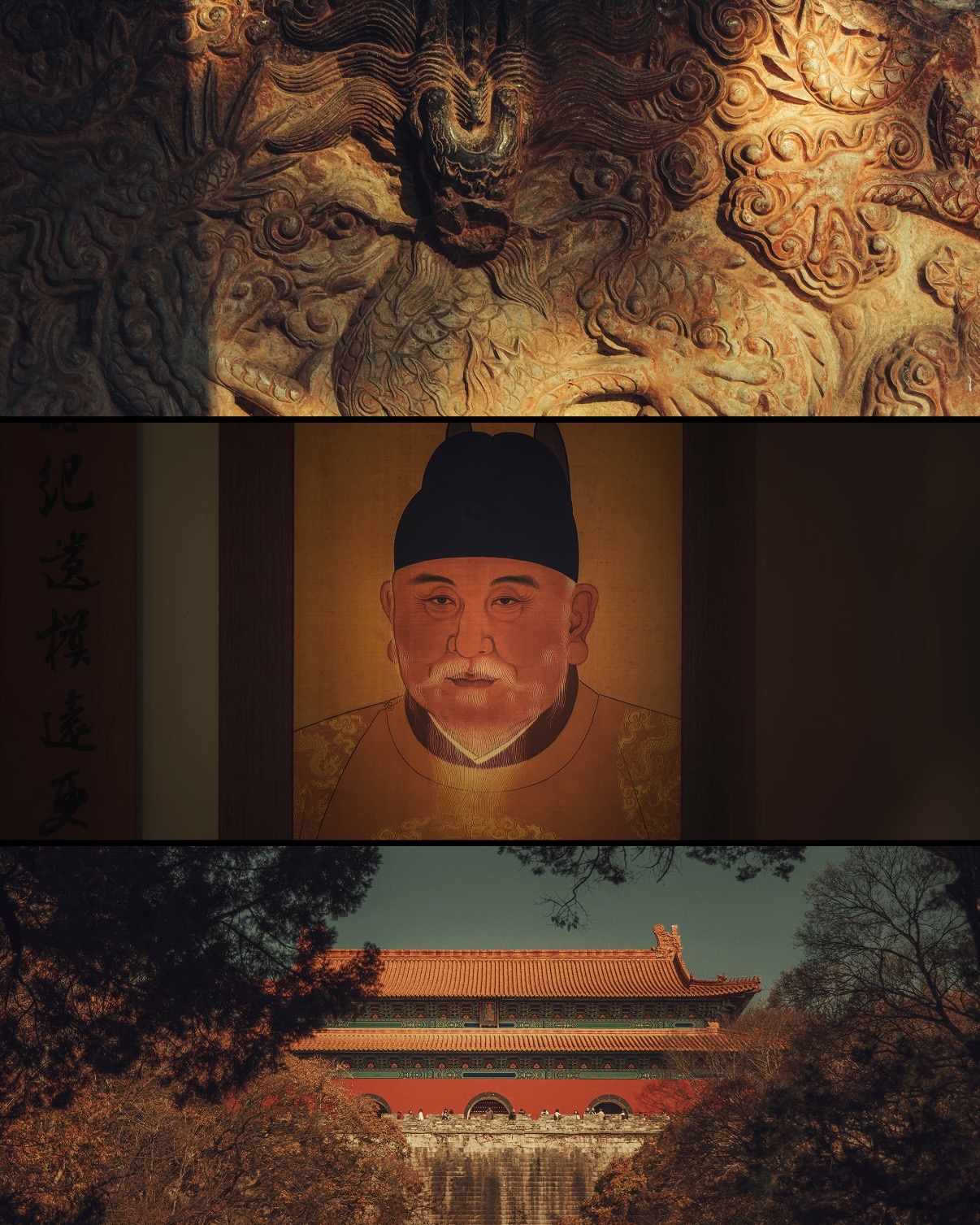
As the sprawling tomb of the Hongwu Emperor, the founder of the Ming Dynasty, Ming Xiaoling is an unparalleled masterpiece of ancient Chinese funerary architecture. The approach to the main complex is famously guarded by the Sacred Way, a mesmerizing avenue lined with massive, intricately carved stone elephants, camels, and mythical beasts. These imposing statues, weathered by over six centuries of history, stand in silent dignity beneath the towering canopy of ancient trees. The sheer scale of the complex and the meticulous attention to geomantic principles reflect the absolute power and divine ambition of the early Ming emperors.
Wandering through the subsequent gates and courtyards, visitors are treated to a masterclass in traditional wooden architecture, featuring sweeping eaves, vibrant painted brackets, and imposing red walls. The central stele pavilion and the subterranean palace mound at the rear of the complex exude an aura of profound mystery and imperial majesty. During the autumn season, the famous stone elephant path becomes one of the most photographed spots in the entire city, blanketed in a thick, golden carpet of fallen ginkgo leaves. It is a deeply atmospheric location where the weight of history feels almost tangible.
Presidential Palace 总统府
click here to see the map pin📍
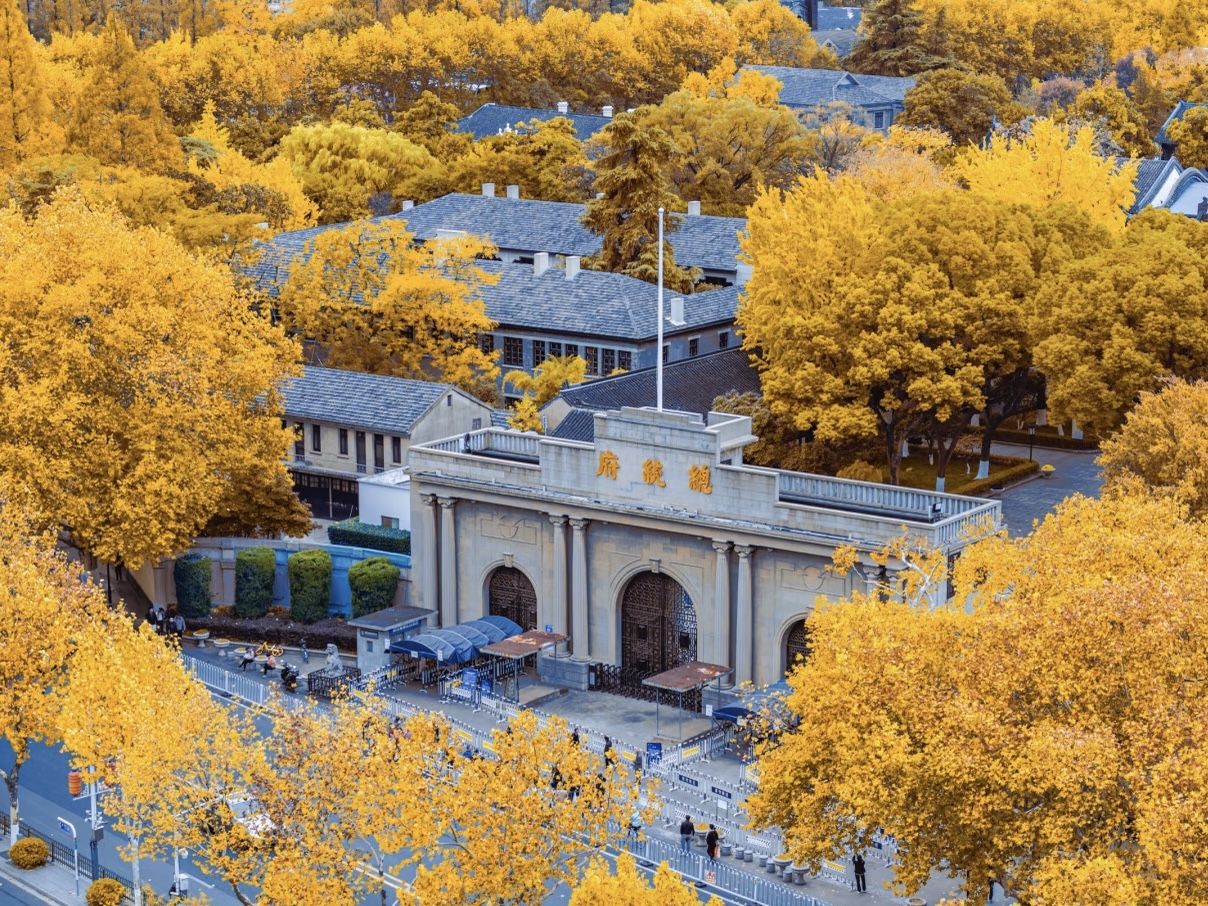
The Nanjing Presidential Palace is a fascinating architectural and historical microcosm that chronicles over six hundred years of complex political evolution. Originally constructed as the residence of the Prince of Han during the early Ming Dynasty, the sprawling compound later served as the headquarters for the Taiping Heavenly Kingdom and, most notably, the government of the Republic of China. The grounds are a striking juxtaposition of traditional classical Chinese gardens, complete with winding corridors and tranquil lotus ponds, alongside grand, Western-style neoclassical office buildings. This unique blend of eastern and western design elements perfectly mirrors the turbulent transitional periods of modern history.
Exploring the various wings and exhibition halls provides a comprehensive overview of the nation’s turbulent journey from imperial rule to a modern republic. The meticulously preserved offices and living quarters of key historical figures, including Chiang Kai-shek, offer an intimate glimpse into the daily lives and high-stakes decisions that shaped the twentieth century. The extensive archives, featuring black-and-white photographs, original documents, and period furniture, bring the dramatic narratives of the past vividly to life. It is an indispensable stop for history enthusiasts seeking to understand the complex political dynamics that forged contemporary China.
Confucius Temple & Qinhuai River 夫子庙与秦淮河
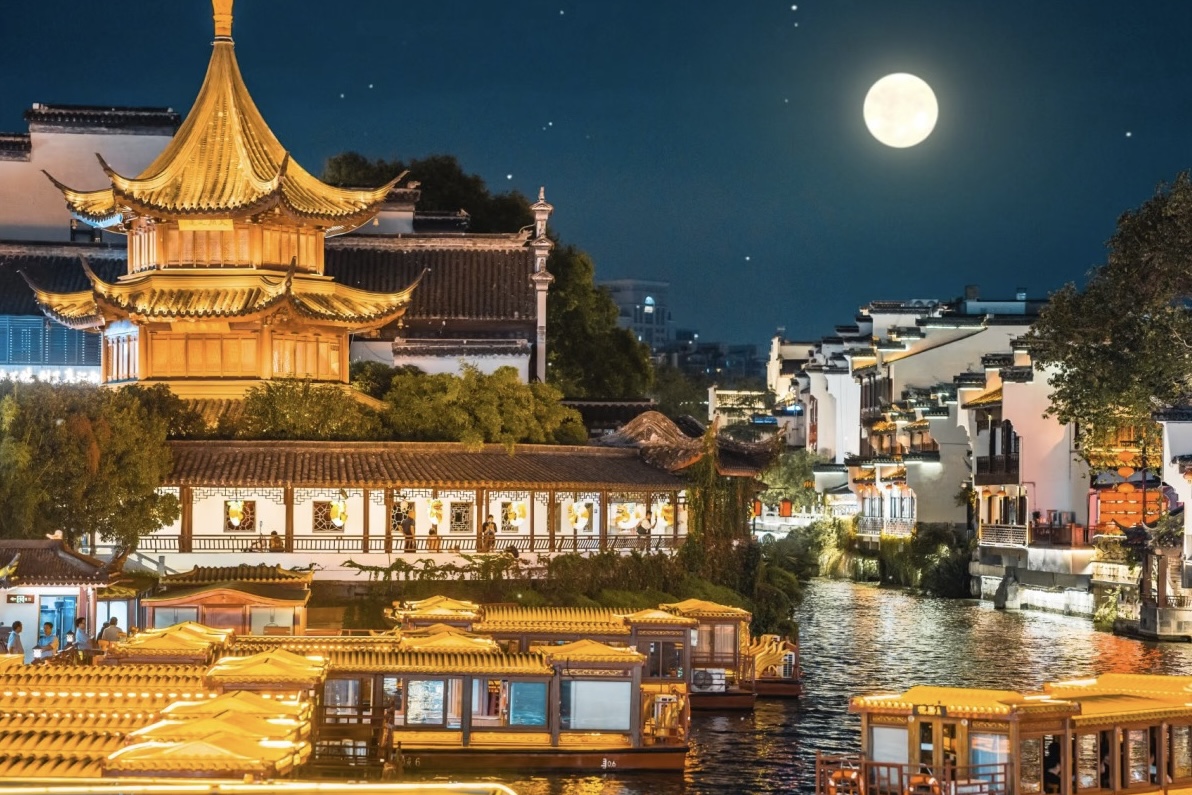
click here to see the map pin📍
The Confucius Temple area, centered around the historic examination halls and the winding Qinhuai River, is the vibrant, beating heart of Nanjing’s cultural and commercial life. By day, the traditional Jiangnan-style architecture, characterized by whitewashed walls and dark clay roof tiles, provides a picturesque setting for exploring ancient academies and browsing artisan shops. However, the true magic of this district reveals itself after sunset, when the entire waterfront is illuminated by thousands of glowing red lanterns and dazzling neon lights. Taking a traditional wooden painted boat along the gentle river offers a romantic, immersive perspective of the bustling pavilions.
Beyond the stunning visual spectacle, the area is a paradise for street food lovers and cultural aficionados alike. The narrow, labyrinthine alleys branching off the main promenade are packed with vendors selling local delicacies, handmade crafts, and traditional souvenirs. The nearby Zhanyuan Garden offers a quiet, classical retreat from the energetic crowds, featuring exquisite rock formations and elegant pavilions. Whether you are sampling sweet osmanthus dumplings, watching a traditional shadow puppet performance, or simply soaking in the lively, festive atmosphere, the Confucius Temple district delivers an unforgettable, multi-sensory experience that captures the enduring charm of old Nanjing.
Nanjing City Wall 中华门瓮城
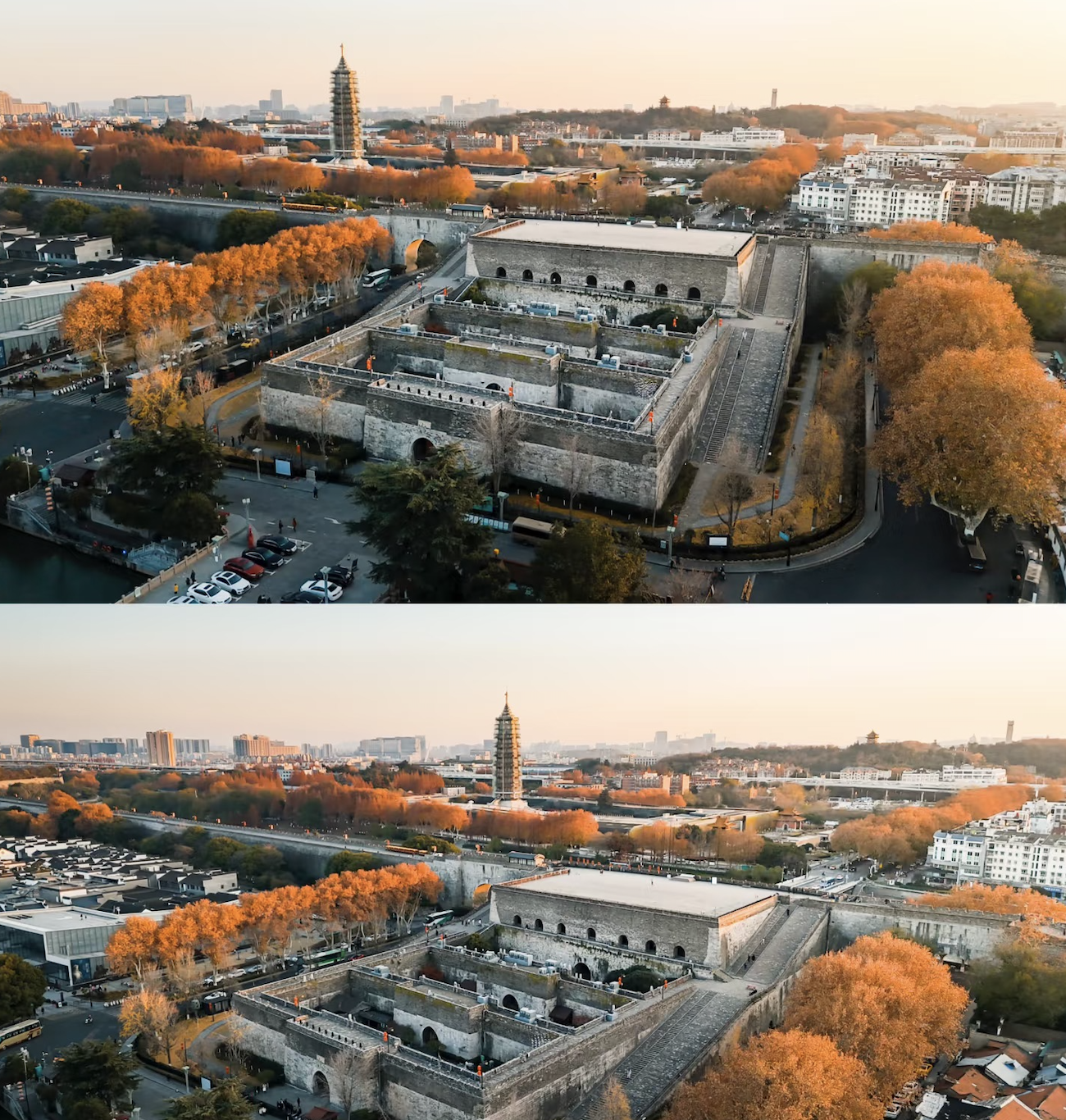
click here to see the map pin📍
The Nanjing City Wall, originally constructed during the Ming Dynasty, is the longest ancient city wall in the world and a marvel of early military engineering. The most spectacular and well-preserved section is the Zhonghua Gate, a massive, fortress-like structure featuring an intricate system of enclosed barbicans designed to trap and eliminate invading enemies. Climbing to the top of the imposing ramparts rewards visitors with sweeping, unobstructed views of the modern city skyline contrasting sharply with the ancient, moss-covered bricks beneath their feet. The sheer thickness of the walls and the complex network of hidden tunnels highlight the defensive genius of the era.
For a more active and engaging experience, renting a bicycle to ride along the wide, paved path atop the wall is highly recommended. The gentle breeze and the elevated vantage point allow you to appreciate the massive scale of the fortification while observing the daily life of the city unfolding below. As evening approaches, the wall is beautifully illuminated, casting a golden glow over the ancient stones and creating a dramatic silhouette against the twilight sky. It stands not just as a relic of a bygone military age, but as a beloved public park where locals gather to fly kites.
南京 Cuisine
Nanjing’s culinary landscape is famously dominated by its unparalleled mastery of duck, earning it the well-deserved reputation as the duck capital of China. The local chefs have elevated this versatile poultry into an extraordinary array of dishes, utilizing every part of the bird with remarkable precision and creativity. From the succulent, melt-in-the-mouth roasted duck to the delicate, slow-simmered duck blood and vermicelli soup, the flavors are deeply savory, rich, and distinctly comforting. This profound dedication to a single ingredient reflects the city’s historical status as a prosperous capital, where imperial chefs continuously refined their techniques to satisfy the demanding palates of royalty and nobility.
Beyond its legendary duck dishes, Nanjing offers a delightful spectrum of street foods and traditional snacks that perfectly capture the essence of Jiangnan cuisine. The local flavor profile tends to be slightly sweeter and more delicate than the robust, spicy profiles found in other parts of the country, emphasizing the natural freshness of high-quality seasonal ingredients. Wandering through the bustling night markets and historic food streets, you will encounter an enticing labyrinth of sizzling woks, steaming bamboo baskets, and fragrant broth pots. Each bite tells a story of the city’s agricultural abundance and its long-standing tradition of culinary innovation, making every meal an unforgettable gastronomic adventure.
Salted Duck 盐水鸭
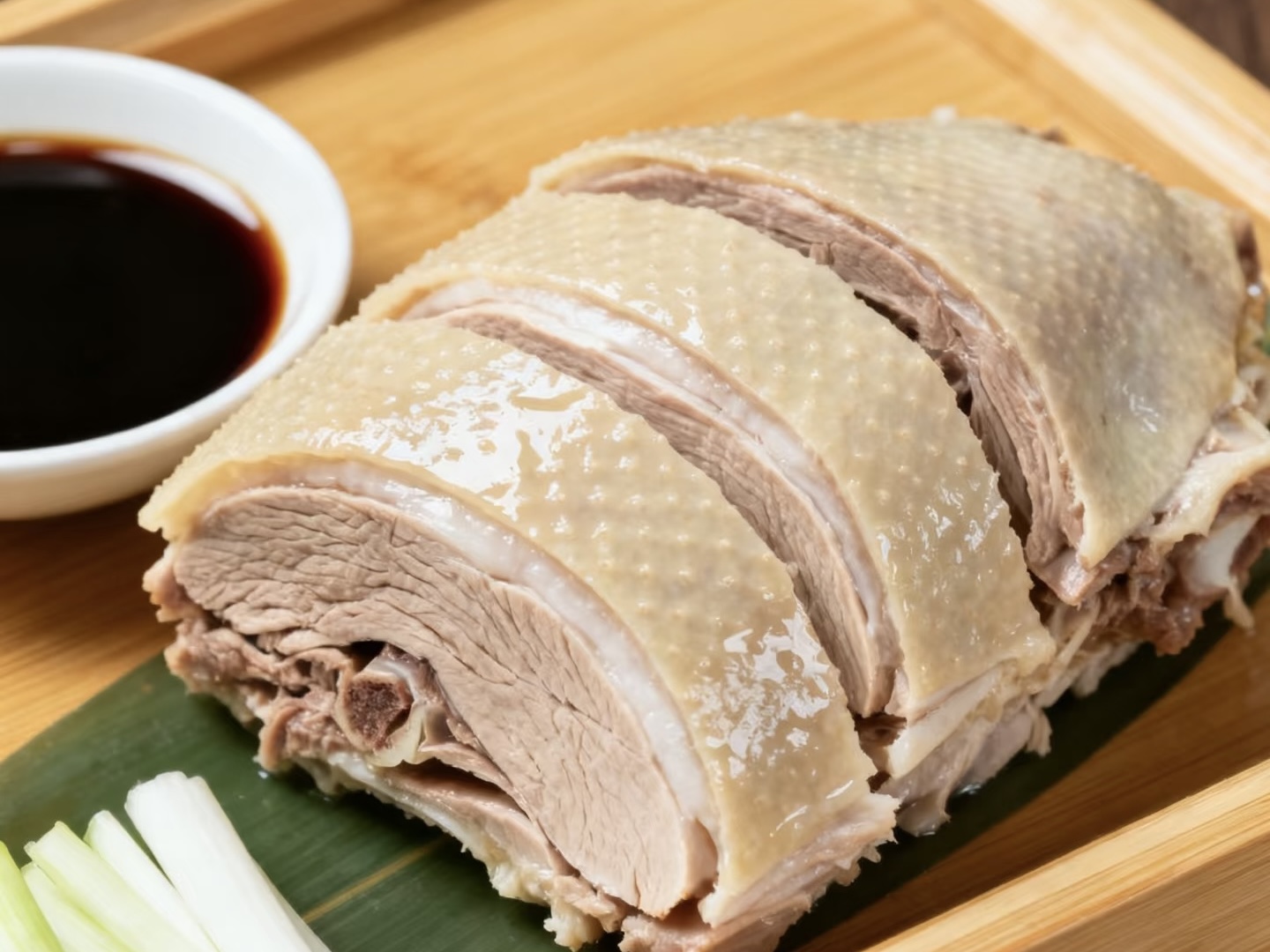
This iconic dish is the undisputed king of the Nanjing dining table, prized for its pale, tender meat and delicate, mildly salty flavor. The duck is meticulously cured, roasted, and then poached in a fragrant broth infused with star anise and ginger, resulting in a remarkably moist texture. Served cold and chopped into neat pieces, it is a refreshing, savory staple that locals enjoy year-round, especially during the crisp autumn months when the meat is considered most succulent.
Duck Blood and Vermicelli Soup 鸭血粉丝汤
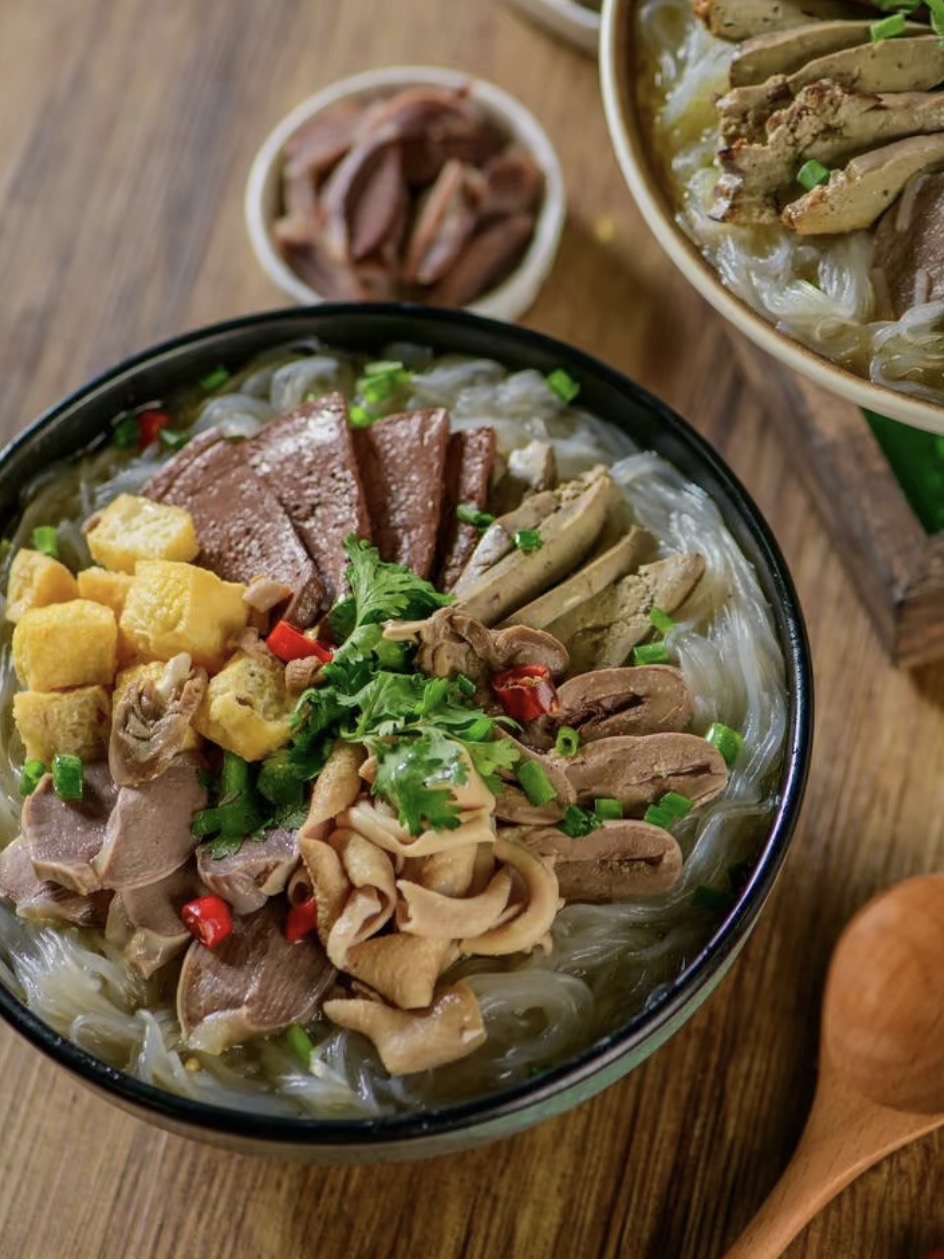
A beloved comfort food that warms the soul on a chilly evening, this hearty soup features a rich, slow-simmered duck broth brimming with tender duck blood curds, chewy sweet potato vermicelli, and crispy tofu puffs. Often garnished with fresh cilantro and a dash of white pepper, the dish offers a complex interplay of textures and deeply umami flavors. It is widely available at small, unassuming street stalls and bustling local eateries, serving as the perfect, inexpensive breakfast or late-night snack for both residents and visitors.
Soup Dumplings 汤包
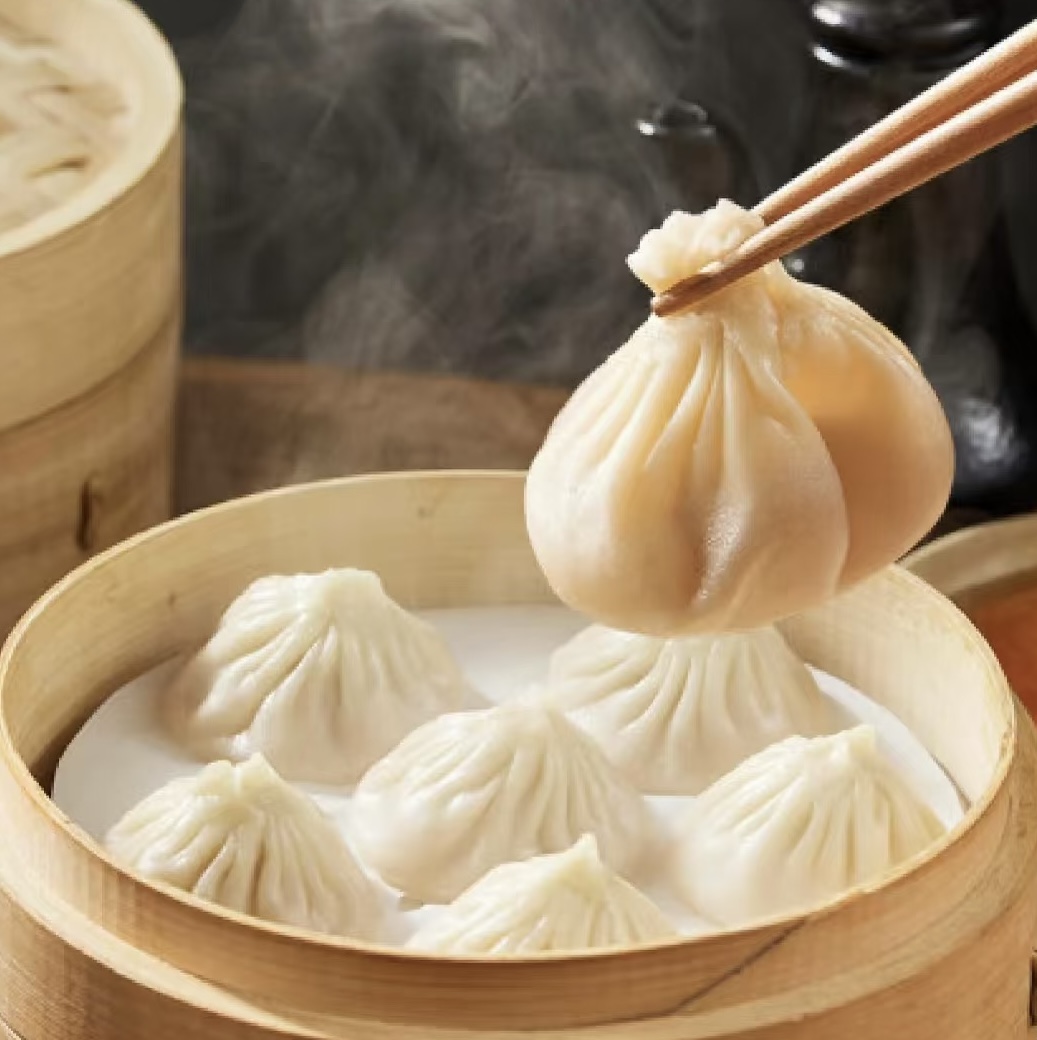
Nanjing’s version of the classic soup dumpling is a culinary masterpiece, featuring a remarkably thin, translucent wrapper that encases a rich, gelatinous pork and crab roe filling. When steamed to perfection, the gelatin melts into a burst of scalding, savory broth inside the delicate parcel. Diners are advised to carefully pierce the skin with a straw or chopstick to sip the hot soup before devouring the rest, often accompanied by a dipping sauce of fragrant black vinegar and shredded ginger to balance the intense, meaty richness.
Beef Pot Stickers 牛肉锅贴
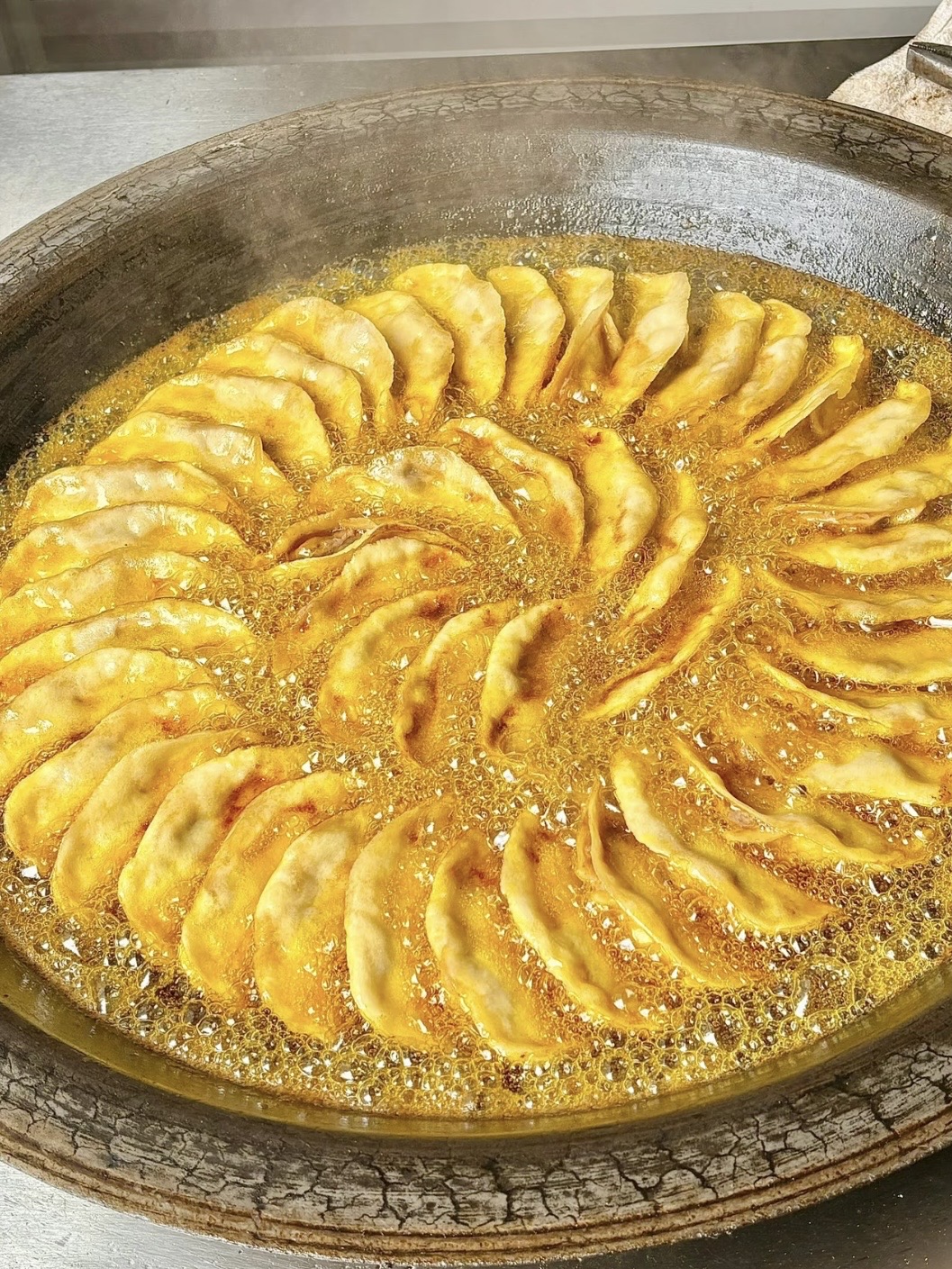
These pan-fried dumplings are a quintessential Nanjing street food, famous for their unique shape and contrasting textures. The bottom is fried until it achieves a deep, crispy, golden-brown crunch, while the top remains soft, steamed, and delightfully chewy. Filled with a heavily seasoned, juicy mixture of minced beef and fragrant herbs, each bite releases a burst of savory, aromatic juices. They are best eaten piping hot straight from the sizzling iron pan, often paired with a light, soothing bowl of duck blood soup.
Sweet Taro Dessert 桂花糖芋苗
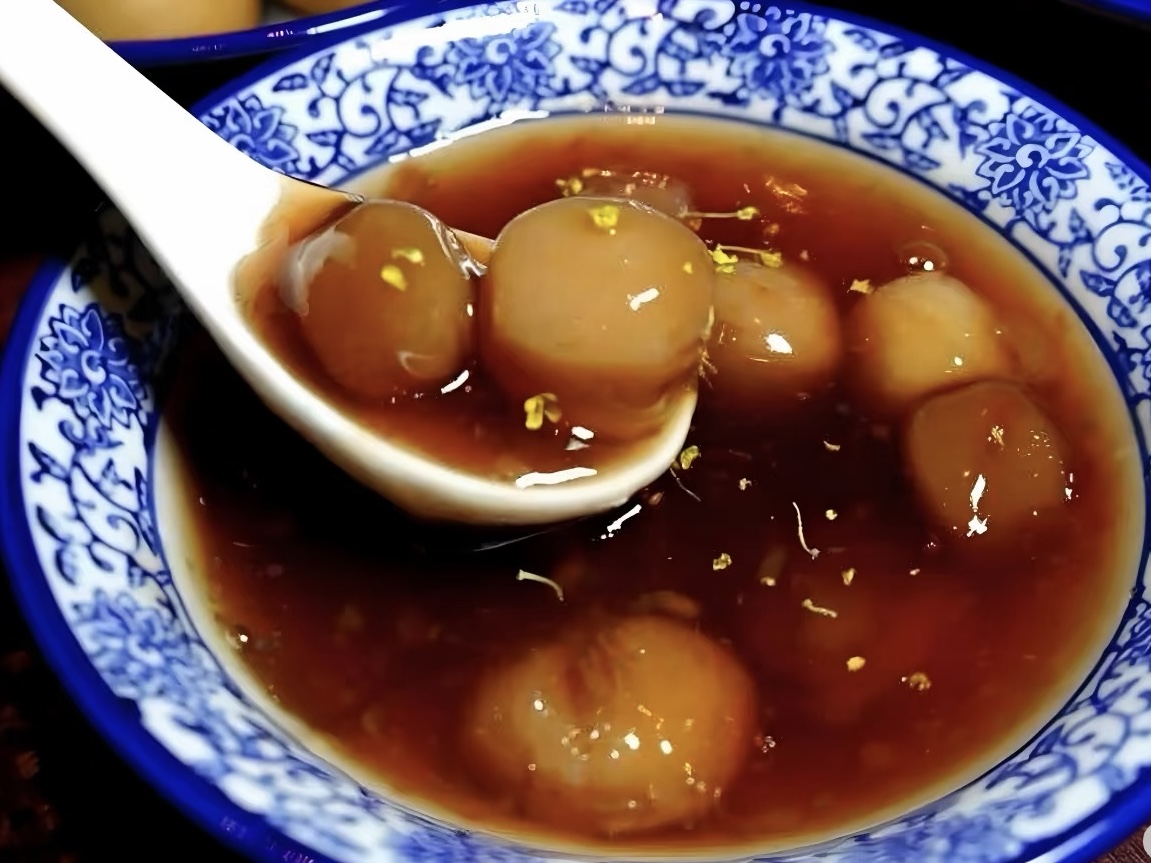
This traditional, deeply comforting dessert showcases the region’s love for subtle, floral sweetness. Tender, bite-sized taro chunks are slow-cooked in a thick, glossy syrup infused with fragrant osmanthus flowers and sweetened with brown sugar, giving the dish a beautiful, pale pink hue. The addition of a touch of lotus root starch creates a velvety, soothing texture that coats the palate. Served warm, it provides a perfectly balanced, floral finish to a heavy meal, highlighting the delicate, refined dessert traditions of the Jiangnan area.
Best Time to Visit
The absolute best time to visit Nanjing is during the autumn months, specifically from late September to November, when the weather is remarkably crisp, dry, and comfortably cool. This season transforms the city into a breathtaking visual spectacle, as the countless ginkgo and maple trees lining the streets and ancient mausoleums erupt into vibrant shades of brilliant gold, fiery crimson, and deep amber. The clear, blue skies provide perfect lighting for photography, and the pleasant temperatures make exploring the expansive outdoor historical sites, like the Ming Xiaoling Mausoleum and the City Wall, an absolute joy without the exhausting summer heat or oppressive humidity.
Spring, particularly April and May, is the second most favorable season, offering a gentle, warming climate and the beautiful blooming of plum blossoms, cherry trees, and peach flowers across the Purple Mountain scenic area. The city feels incredibly fresh and alive, with locals flocking to the parks for traditional kite-flying and picnics. However, travelers should be prepared for occasional, unpredictable spring showers and the sudden influx of domestic tourists during the early May holiday. Summers are notoriously sweltering and humid, earning Nanjing a reputation as one of the country’s furnace cities, while winters, though relatively short, can be damp, chilly, and somewhat gloomy.
Transportation in Nanjing
Getting to and navigating around Nanjing is exceptionally convenient, thanks to its highly developed, modern infrastructure and comprehensive public transit network. The city is served by two major railway stations and the expansive Lukou International Airport, which connects to major domestic hubs and several international destinations. For local travel, the Nanjing Metro is the undisputed champion, featuring an extensive, clean, and highly efficient network of color-coded lines that seamlessly connect all major tourist attractions, commercial districts, and transportation hubs. The subway cars are spacious, air-conditioned, and feature clear bilingual announcements, making it incredibly easy for foreign visitors to navigate the sprawling metropolis without any language barriers.
For shorter distances or exploring the charming, tree-lined streets at a more leisurely pace, the city offers an abundance of shared bicycles and traditional taxis. The dedicated cycling lanes are generally well-maintained and separated from vehicular traffic, providing a safe and enjoyable way to experience the city’s unique urban landscape. Ride-hailing apps like Didi are also widely used, affordable, and highly reliable, offering a comfortable alternative when the weather is less than ideal. While the bus network is extensive, the sheer efficiency and speed of the metro system make it the most practical choice for maximizing your sightseeing time.
A 2-Day Travel Itinerary
Day 1
Begin your morning by taking Metro Line 2 to the majestic Sun Yat-sen Mausoleum (中山陵), climbing the grand stone steps early to beat the crowds and enjoy the misty mountain views. After descending, walk a short, scenic distance through the lush forest to the nearby Ming Xiaoling Mausoleum (明孝陵), where you can wander the ancient Sacred Way and explore the intricate wooden courtyards. In the afternoon, take the metro back to the city center to explore the Presidential Palace (总统府), spending a few hours immersed in the fascinating blend of classical gardens and republican history. As evening falls, head to the bustling Confucius Temple & Qinhuai River (夫子庙与秦淮河) area, where you can take an illuminated boat ride and feast on delicious local street food.
Day 2
Start your second day by heading south to the imposing Nanjing City Wall (中华门瓮城), where you can rent a bicycle to ride along the ancient ramparts and explore the massive defensive barbicans. After soaking in the panoramic views of the old city from the wall, take a short taxi ride to the nearby Zhonghua Gate area for a traditional, comforting lunch of duck blood vermicelli soup. Spend your final afternoon wandering through the historic, lantern-lit lanes near the Confucius Temple (夫子庙) to pick up souvenirs, sample sweet taro dessert, and enjoy the lively, vibrant atmosphere before heading to the railway station for your departure Finish with Salted Duck (盐水鸭) before ending the trip.
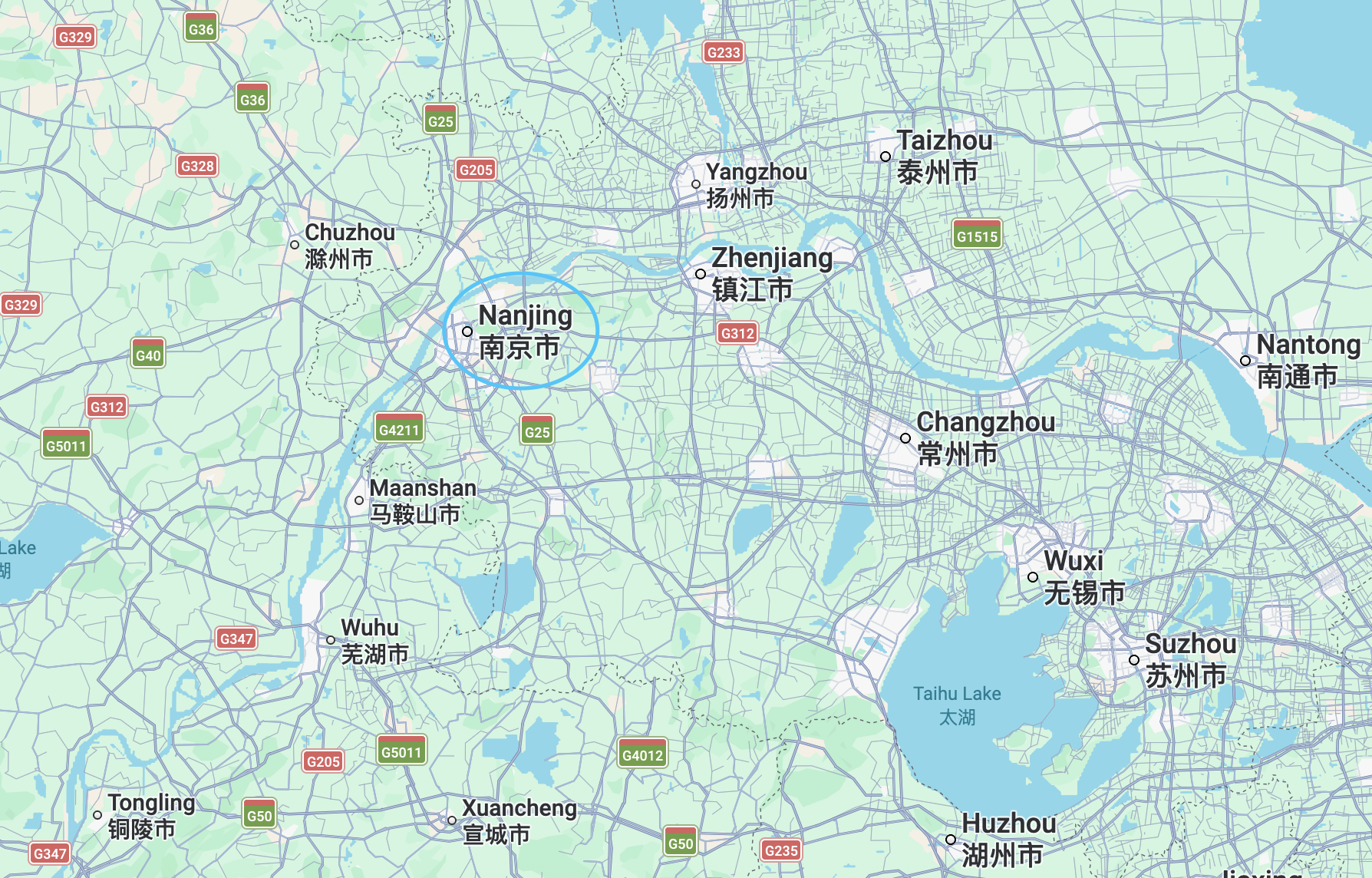
Nanjing is a magnificent city where the echoes of ancient empires harmoniously blend with the vibrant pulse of modern life,
promising an unforgettable journey for every traveler.
Are you interested in traveling around China?
🌏✨ Experience teaching with MEF World and travel the world.✨🌏
Join our FREE webinar to learn more: https://cutt.ly/ne9bTUJd
See current jobs: https://cutt.ly/oeUbBjAF
Apply now: https://cutt.ly/meUbM7xG
Teaching in China = adventure, growth, and memories for a lifetime.
What are essential classroom management and teaching methods for Chinese kindergarteners?
What are effective pre-departure financial strategies for graduates to save for initial China teaching costs?
What is the average timeline from TEFL certification to teaching English in China with a valid visa?
