
Weihai(威海): Where the Bohai Sea Meets Unspoiled Coastal Charm
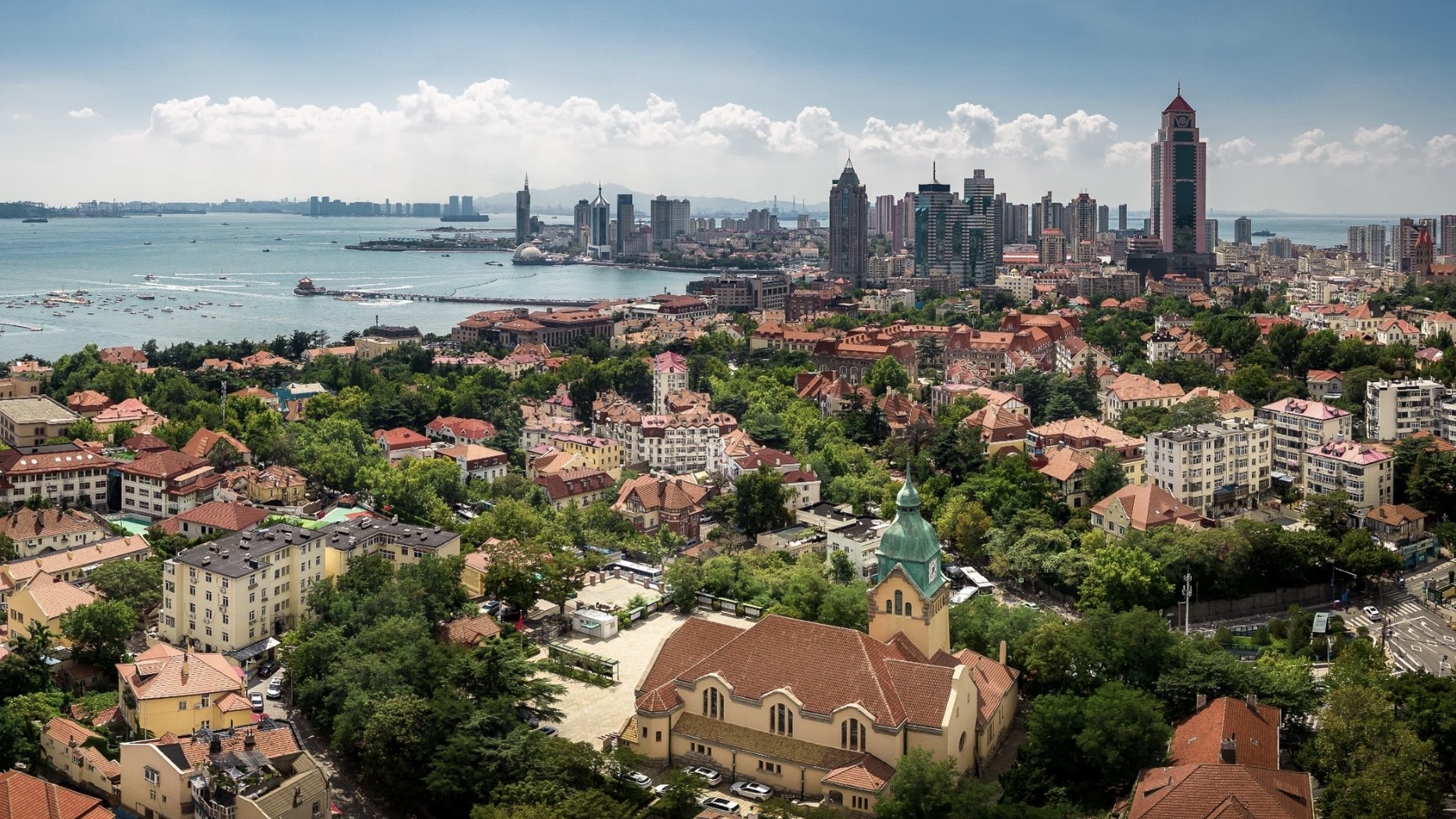
Nestled at the easternmost tip of the Shandong Peninsula, Weihai is a coastal sanctuary that consistently ranks among China’s most livable and pristine cities. Unlike the bustling metropolitan hubs nearby, this seaside gem offers a tranquil retreat characterized by sweeping ocean vistas, pine-clad hills, and remarkably clear air. Historically significant as a strategic naval base and a British leased territory in the late nineteenth century, the city beautifully weaves its complex past into its modern identity. Visitors are immediately struck by the relaxed pace of life, where locals stroll along expansive promenades and fishermen haul in the morning catch. The harmonious blend of natural beauty and historical depth makes Weihai an essential destination for travelers seeking an authentic, uncrowded Chinese coastal experience that feels entirely distinct from the typical tourist trail.
Beyond its immediate shoreline, Weihai serves as a gateway to some of the most dramatic coastal landscapes in northern China. The region is blessed with a rugged coastline that features hidden coves, dramatic cliffs, and secluded beaches that remain largely untouched by mass tourism. As you venture further into the surrounding districts, you will discover charming fishing villages, ancient maritime relics, and lush national forests that cascade down to the sea. The local government’s strict environmental policies have preserved this ecological wealth, ensuring that the water remains swimmable and the skies stay brilliantly blue throughout the year. Whether you are cycling along the famous Huancui coastal road, sampling freshly caught seafood at a lively night market, or simply watching the sunrise over the Yellow Sea, Weihai promises a deeply restorative and visually stunning journey.
The Places You Absolutely Must Visit:
Liugong Island 刘公岛
click here to see the map pin📍
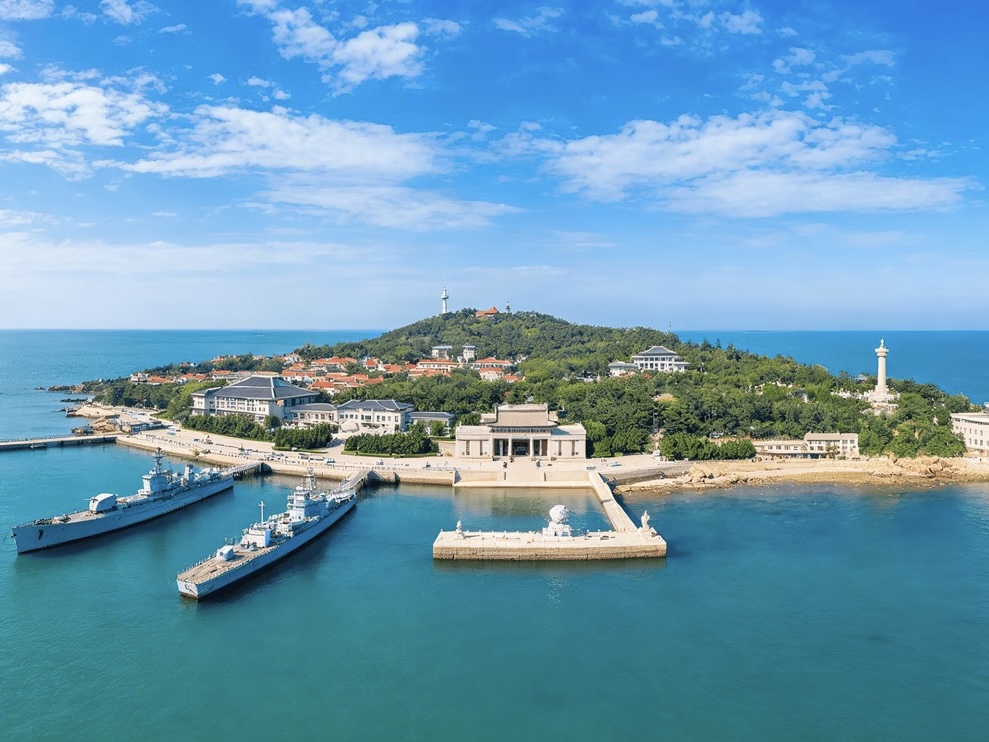
Steeped in maritime history, Liugong Island is widely regarded as the birthplace of China’s first modern navy. A short, scenic ferry ride from the mainland brings you to this lush, forested landmass that served as the headquarters for the Beiyang Fleet during the late Qing Dynasty. The island’s pristine environment is home to wild sika deer and ancient forests, providing a serene backdrop to its solemn historical sites. Walking through the remnants of naval fortresses and military academies, visitors gain a profound understanding of the pivotal battles that shaped modern Chinese history.
The Sino-Japanese War Museum is the island’s emotional core, offering a meticulously curated collection of artifacts, photographs, and immersive exhibits that detail the tragic naval conflicts of the nineteenth century. Beyond the museum, the island’s coastal trails offer breathtaking panoramas of the Bohai Sea, with rugged cliffs dropping sharply into the crashing waves below. Cable cars and sightseeing buses make navigating the hilly terrain effortless, allowing travelers to seamlessly transition from solemn historical reflection to enjoying the island’s vibrant natural beauty and peaceful, ocean-breezed atmosphere.
Chengshantou 成山头
click here to see the map pin📍
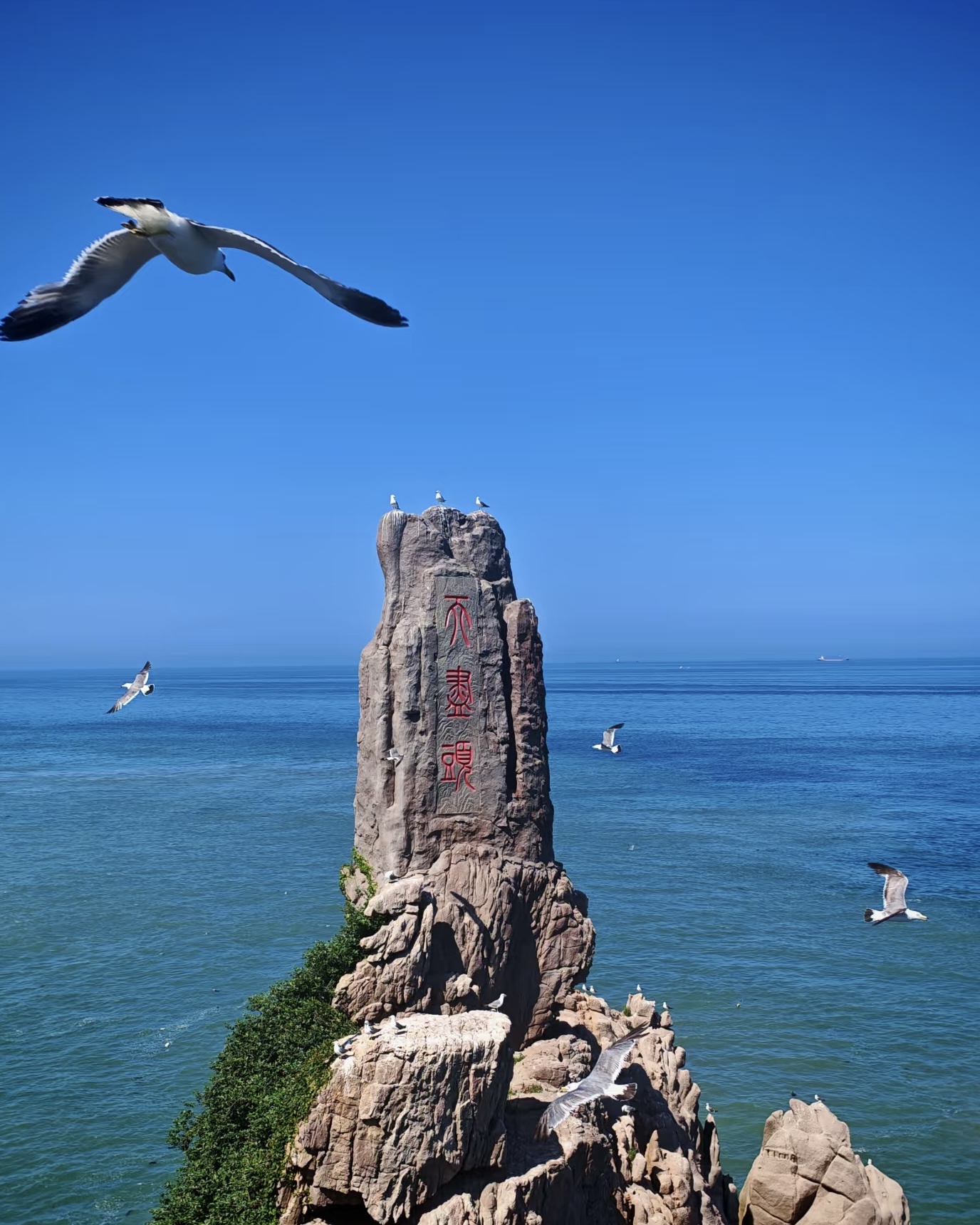
Often referred to as the Cape of Good Hope of China, Chengshantou marks the easternmost extremity of the Shandong Peninsula. This dramatic headland is historically celebrated as the place where Emperor Qin Shi Huang once stood to gaze upon the vast ocean while seeking the elixir of life. The sheer, towering cliffs plunge directly into the roaring Yellow Sea, creating a landscape of raw, untamed power. It is famously known as the first place in China to welcome the morning sunrise, making it a sacred and deeply atmospheric spot for early risers seeking a spectacular dawn.
The scenic area is interconnected by winding coastal walkways that hug the cliff edges, offering uninterrupted views of the endless horizon and the crashing surf below. Ancient stone inscriptions, traditional pavilions, and a historic lighthouse dot the landscape, adding cultural depth to the natural grandeur. During the spring and autumn migrations, the surrounding skies are filled with seabirds, enhancing the wild ambiance. Whether you are watching the sun breach the ocean or simply feeling the powerful sea breeze, Chengshantou delivers an awe-inspiring encounter with the edge of the continent.
Huancui Coastal Road 环海路
click here to see the map pin📍
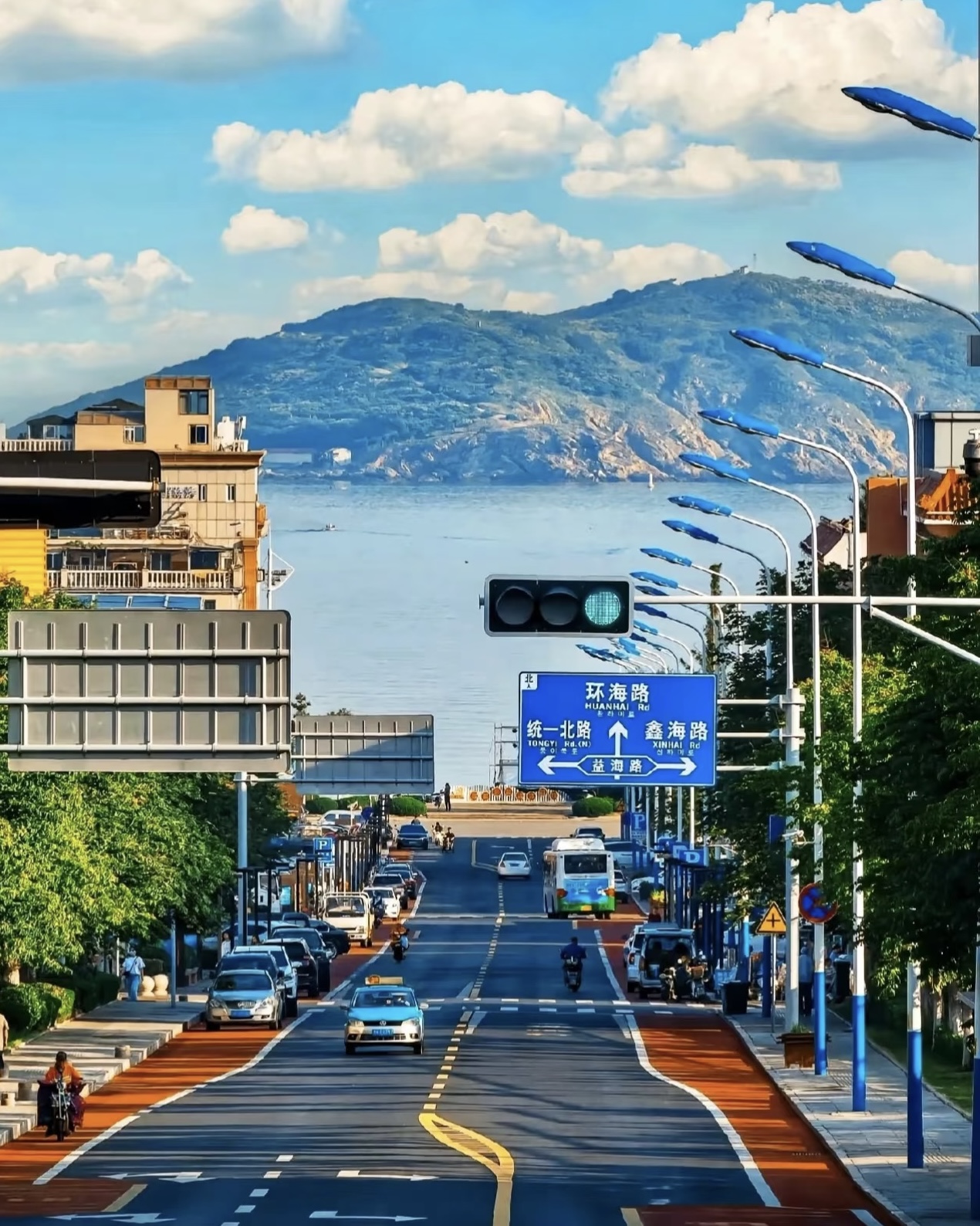
Stretching along the rugged northern edge of the city, the Huancui Coastal Road is a masterpiece of scenic engineering and a paradise for outdoor enthusiasts. This winding route hugs the dramatic coastline, weaving through pine forests, rocky outcrops, and secluded sandy coves. It is widely considered one of the most beautiful coastal drives in China, offering ever-changing vistas of the azure sea meeting the sky. The road is perfectly designed for leisurely exploration, featuring dedicated cycling lanes and pedestrian walkways that allow visitors to safely absorb the stunning surroundings at their own pace.
Along the route, numerous viewing platforms and wooden boardwalks extend over the cliffs, providing perfect vantage points for photography and quiet contemplation. You will pass by charming coastal villages, artisan cafes, and hidden beaches where locals gather to harvest clams at low tide. Renting a bicycle or an electric scooter is the most popular way to experience the road, allowing you to feel the refreshing sea breeze and stop whenever a breathtaking panorama catches your eye. It perfectly encapsulates Weihai’s reputation as a clean, vibrant, and highly livable coastal haven.
International Bathing Beach 国际海水浴场

click here to see the map pin📍
Renowned for its exceptionally fine, golden sand and remarkably clear waters, the International Bathing Beach is Weihai’s premier destination for sun-seekers and water sports enthusiasts. Spanning nearly two kilometers, this expansive shoreline is framed by a lush canopy of pine trees that provide natural shade during the hot summer months. Unlike many crowded urban beaches in China, the water quality here is rigorously monitored and consistently pristine, making it incredibly safe and inviting for swimming. The gentle slope of the seabed ensures that the shallow waters are perfect for families with young children.
As the sun begins to set, the beach transforms into a lively social hub where locals and tourists alike gather to enjoy the cooling evening breeze. The adjacent promenade is lined with seafood restaurants, beach bars, and vendors selling grilled squid and fresh tropical fruits. You can rent jet skis, paddleboards, or simply build sandcastles while watching the fishing boats return to the harbor. The vibrant yet relaxed atmosphere, combined with the stunning backdrop of the distant mountains, makes this beach an essential stop for unwinding after a day of sightseeing.
Chishan Scenic Area 赤山风景区
click here to see the map pin📍
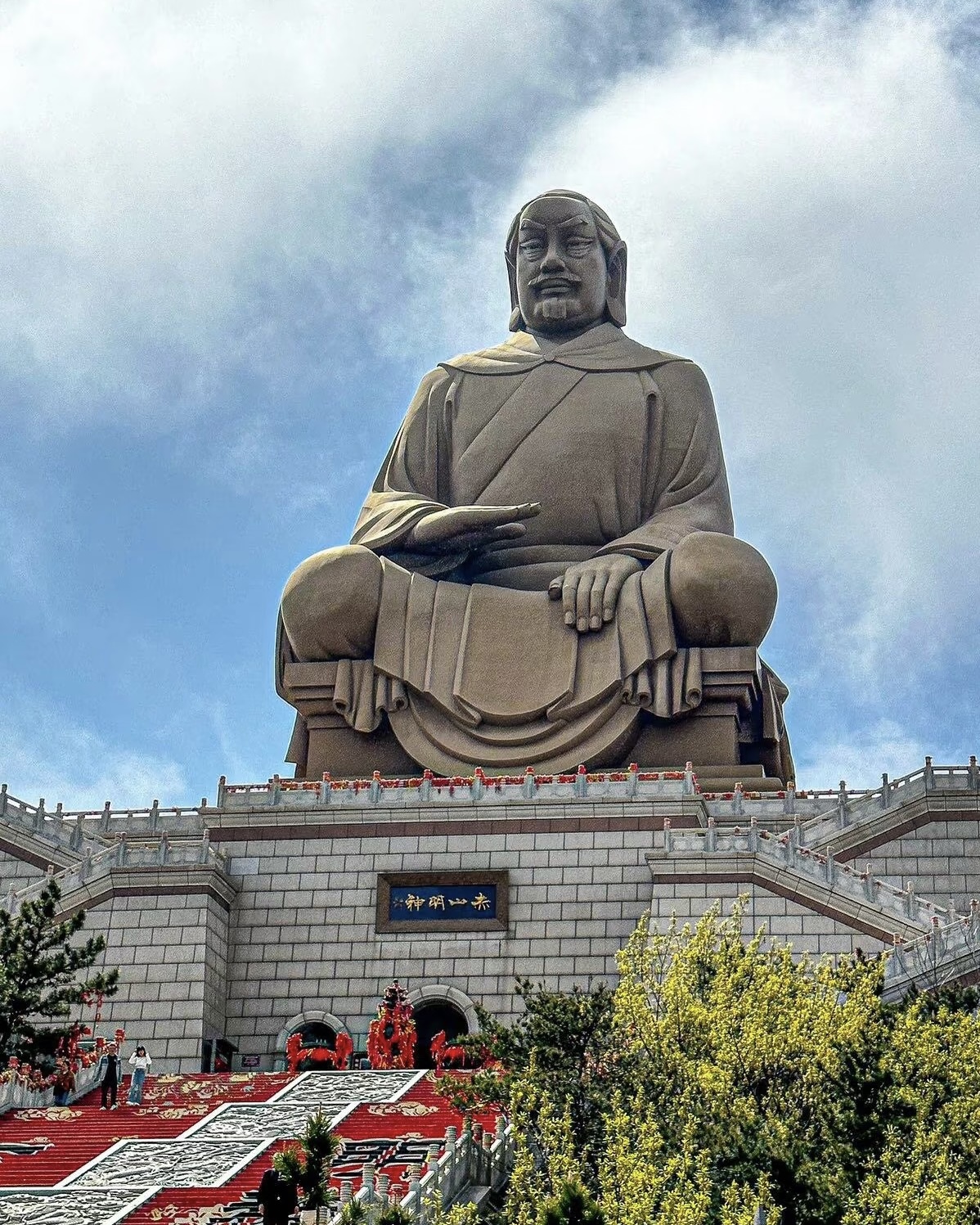
Located in the southern part of the Weihai region, Chishan Scenic Area is a captivating blend of profound Buddhist culture, ancient maritime history, and striking red-hued mountain peaks. The area is most famous for housing the colossal bronze statue of the Ming Dynasty sea god, Chi Shan Ming Shen, which stands majestically overlooking the ocean to bless passing sailors. The surrounding landscape is characterized by unique rock formations, deep valleys, and ancient temples that have served as spiritual retreats for centuries. It offers a deeply tranquil environment far removed from the bustling city center.
Exploring Chishan involves a rewarding hike through lush forests, where the air is fragrant with pine and wildflowers. The Shifo Temple, nestled within the mountainside, features intricate stone carvings and a serene atmosphere that invites quiet meditation. During the spring, the mountain slopes are ablaze with blooming cherry blossoms and azaleas, creating a spectacular contrast against the red rocks and blue sky. The panoramic views from the summit, encompassing both the sprawling countryside and the distant coastline, provide a breathtaking reward for those who make the journey to this cultural and natural sanctuary.
Weihai Cuisine
Weihai’s culinary landscape is inextricably linked to its prime location on the Shandong Peninsula, offering an abundance of some of the freshest and most diverse seafood in northern China. The local gastronomy heavily features the Lu cuisine tradition, which emphasizes the natural flavors of high-quality ingredients, utilizing techniques like quick-frying, braising, and steaming to preserve the delicate taste of the ocean. Because the city is surrounded by the nutrient-rich waters of the Bohai and Yellow Seas, the daily catch includes an impressive array of sea cucumbers, scallops, crabs, and various finfish. Dining here is an immersive experience, where the boundary between the bustling fishing docks and the restaurant table is remarkably short, ensuring unparalleled freshness in every bite.
Beyond the high-end seafood banquet halls, Weihai boasts a vibrant street food and casual dining culture that reflects its working-class maritime roots. Local markets and night bazaars come alive after dusk, filled with the intoxicating aromas of garlic, ginger, and sizzling chili oil mingling with roasting shellfish. The region is also famous for its unique agricultural products, particularly the sweet, crisp Weihai apples and the plump, juicy figs that grow in the surrounding orchards. These local ingredients frequently find their way into both savory dishes and sweet desserts, creating a well-rounded culinary profile. Whether you are cracking open steaming crabs at a plastic-table eatery or enjoying a refined kelp soup, the food in Weihai is a genuine celebration of coastal bounty.
Steamed Sea Urchin 清蒸海胆
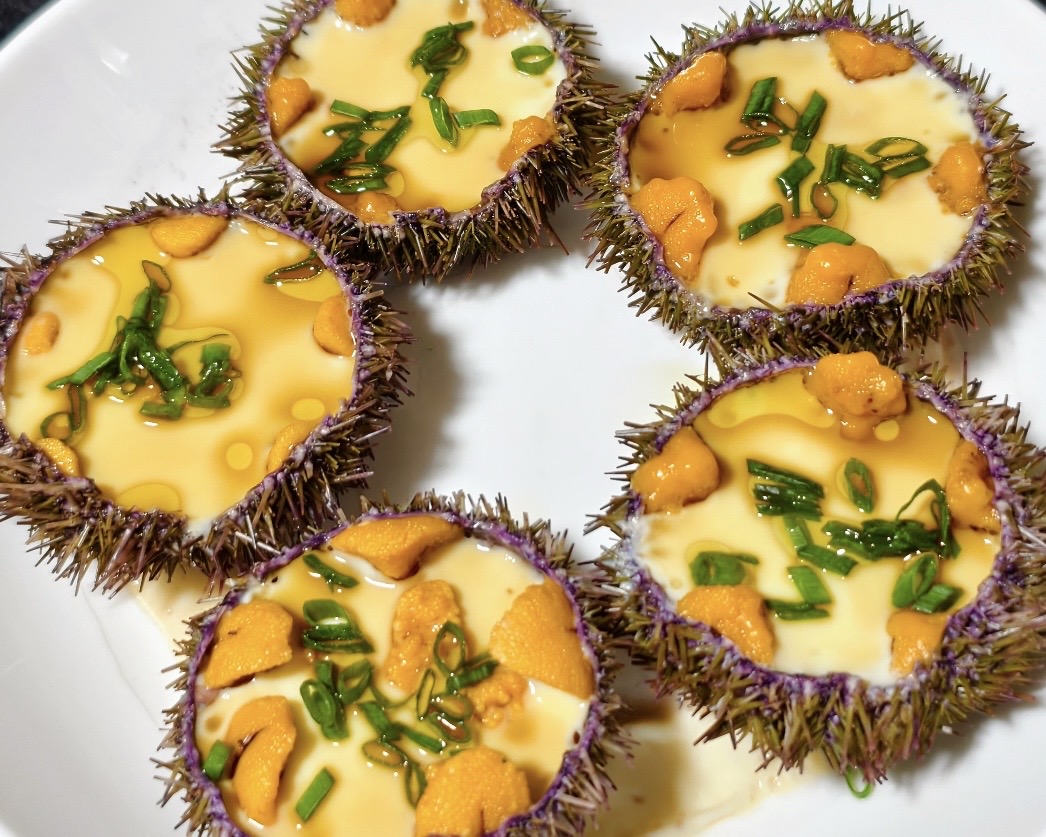
Harvested from the cold, clean waters off the Weihai coast, local sea urchins are prized for their rich, buttery texture and sweet, briny flavor. Rather than masking the delicate taste with heavy sauces, locals prefer to simply steam them with a light drizzle of soy sauce, minced garlic, and a touch of scallion. The result is a luxurious, melt-in-your-mouth delicacy that perfectly captures the essence of the Yellow Sea, best enjoyed straight from the shell at a seaside restaurant.
Braised Sea Cucumber with Scallions 葱烧海参
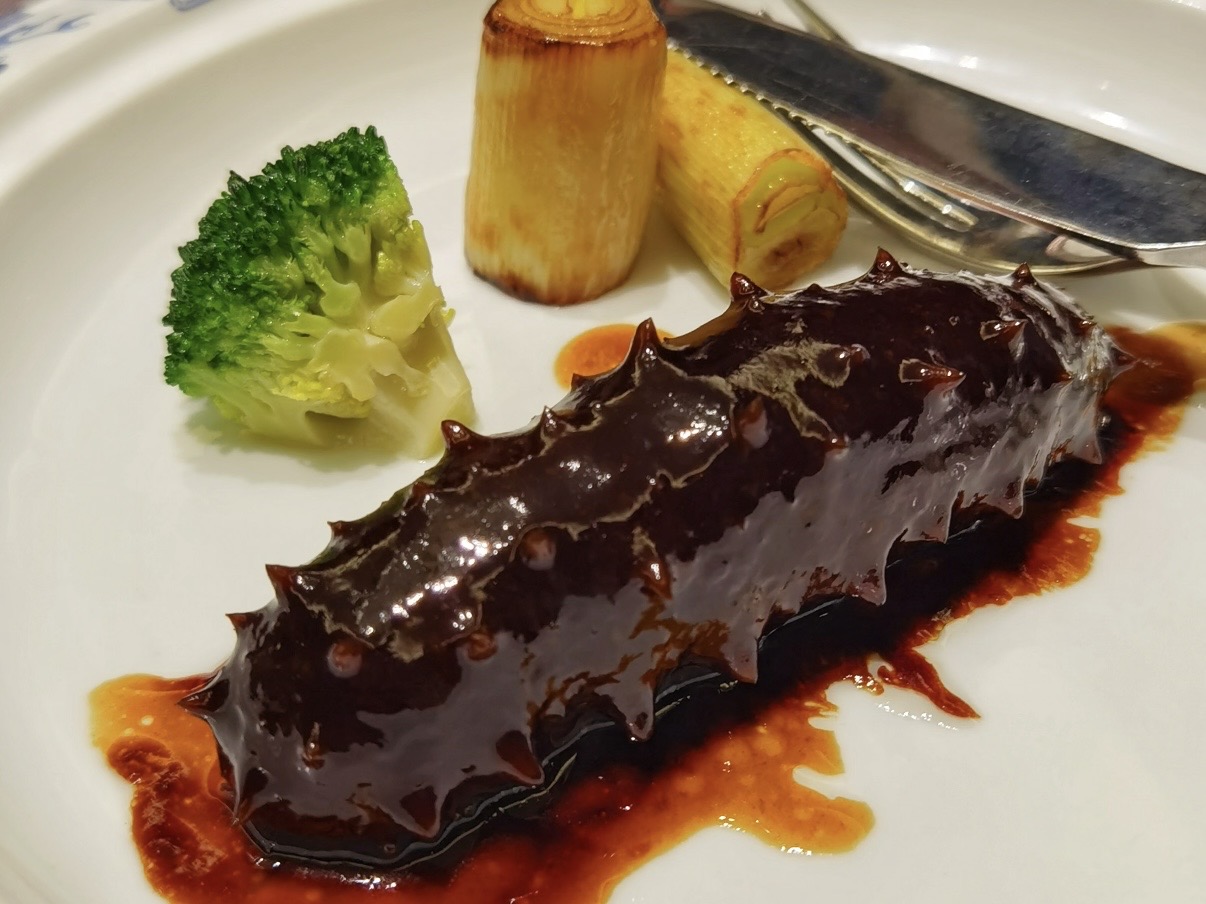
A crown jewel of Shandong cuisine, this dish elevates the humble sea cucumber into a masterpiece of texture and flavor. The gelatinous, nutrient-rich sea cucumbers native to Weihai’s reefs are slowly braised in a rich, savory broth infused with deeply caramelized local scallions. The scallions impart a sweet, aromatic depth that perfectly complements the slippery, tender meat of the sea cucumber. It is a comforting, umami-packed delicacy that showcases the sophisticated techniques of traditional northern Chinese cooking.
Mackerel Dumplings 鲅鱼水饺
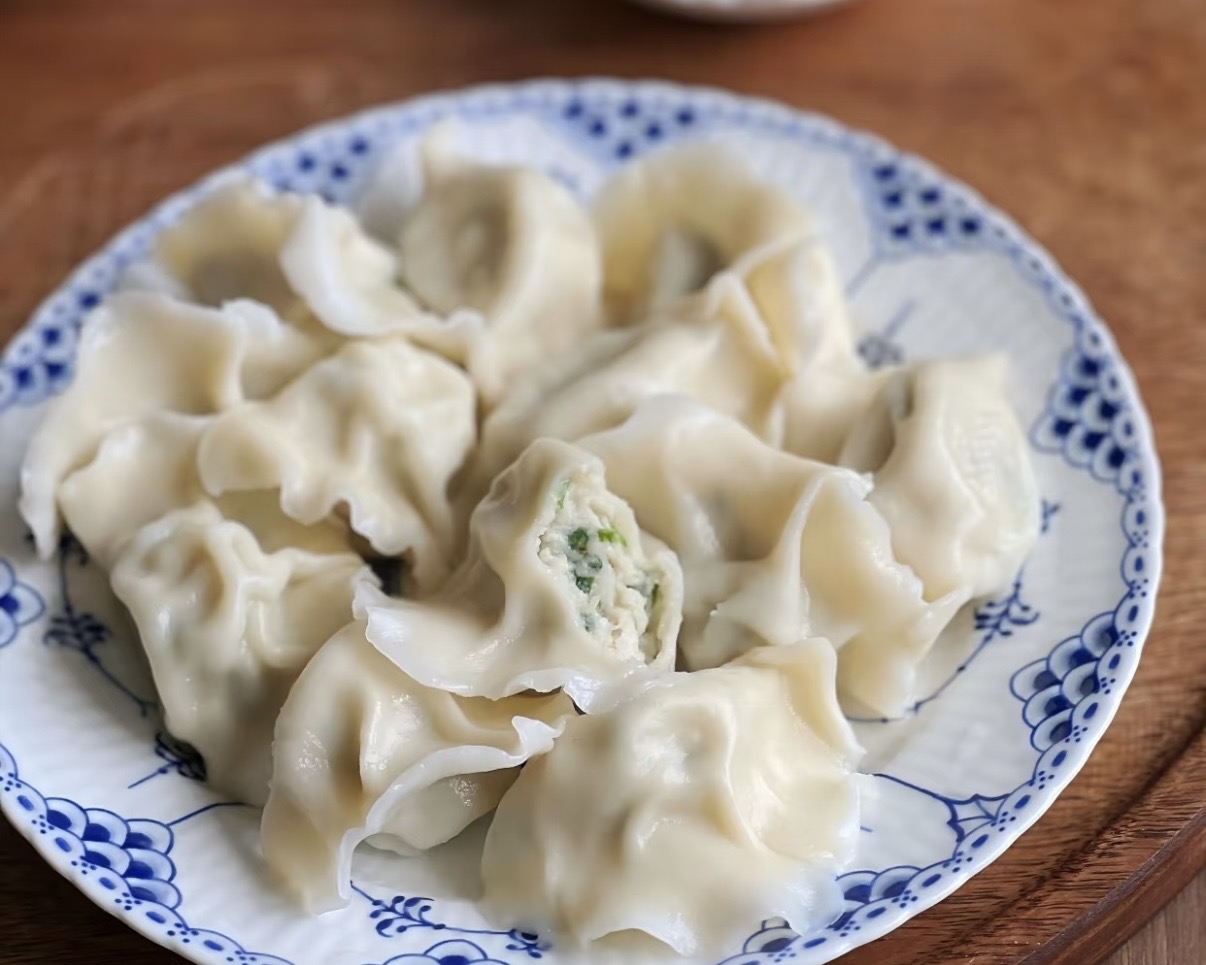
These oversized, incredibly juicy dumplings are a beloved staple in Weihai households and local eateries. The filling consists of freshly minced Spanish mackerel, whipped with pork fat, ginger, and a generous amount of chive or leek to eliminate any fishiness and enhance the savory profile. Wrapped in a slightly thicker, chewy dough, the dumplings burst with a rich, oceanic broth when bitten. They are typically served with a simple dipping sauce of black vinegar and garlic, offering a deeply satisfying, authentic coastal meal.
Spicy Clam Stir-fry 辣炒花蛤
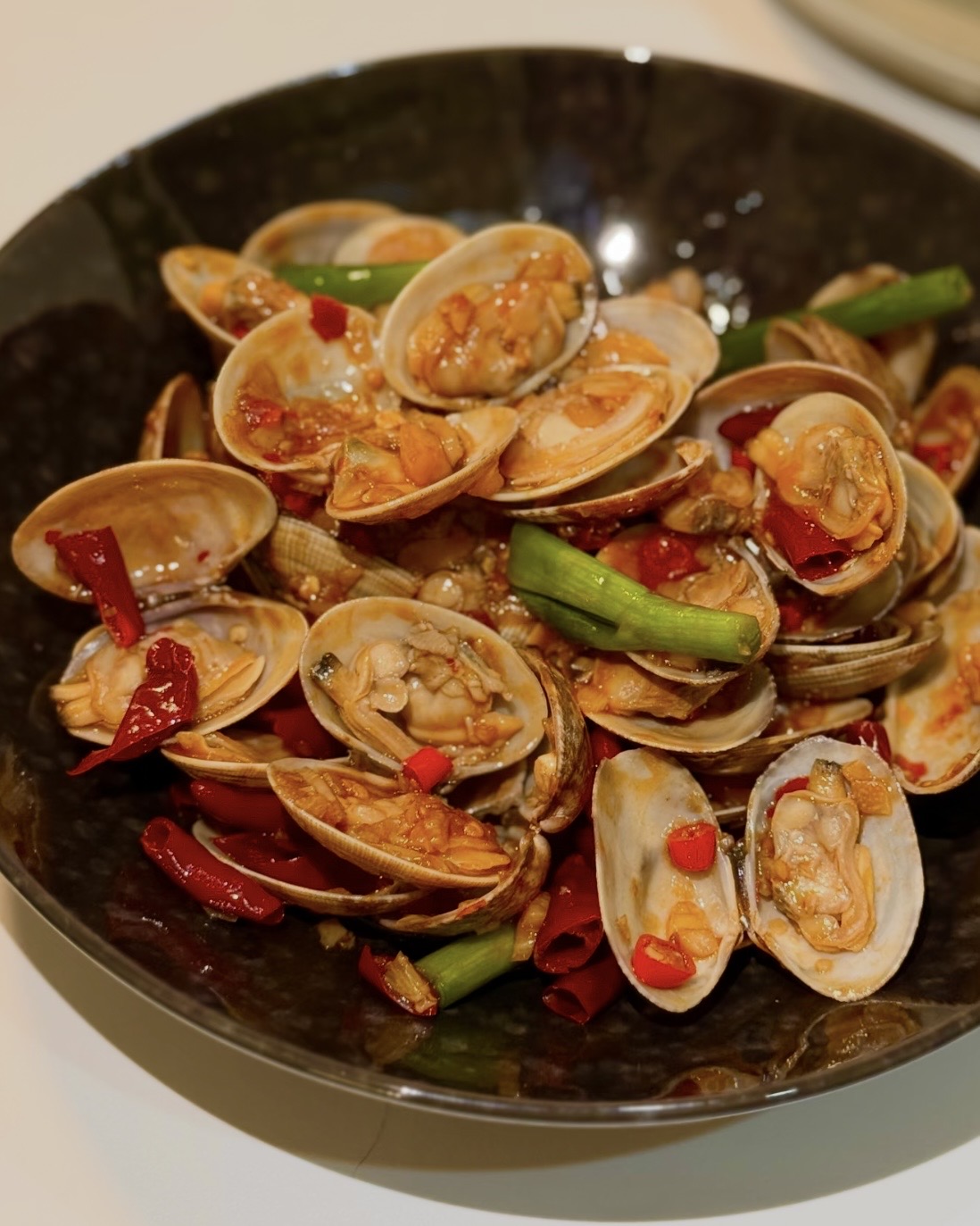
A quintessential dish found at every night market and casual seafood joint in the city, this vibrant stir-fry is the ultimate companion to a cold local beer. Plump, sand-free clams are flash-fried in a wok over high heat with dried red chilies, Sichuan peppercorns, garlic, and fresh cilantro. The intense, spicy, and aromatic sauce clings to the sweet, tender clam meat, creating an addictive flavor profile. It is a messy, hands-on, and utterly delicious culinary experience that defines Weihai’s lively evening food culture.
Weihai Apple Pastries 威海苹果酥
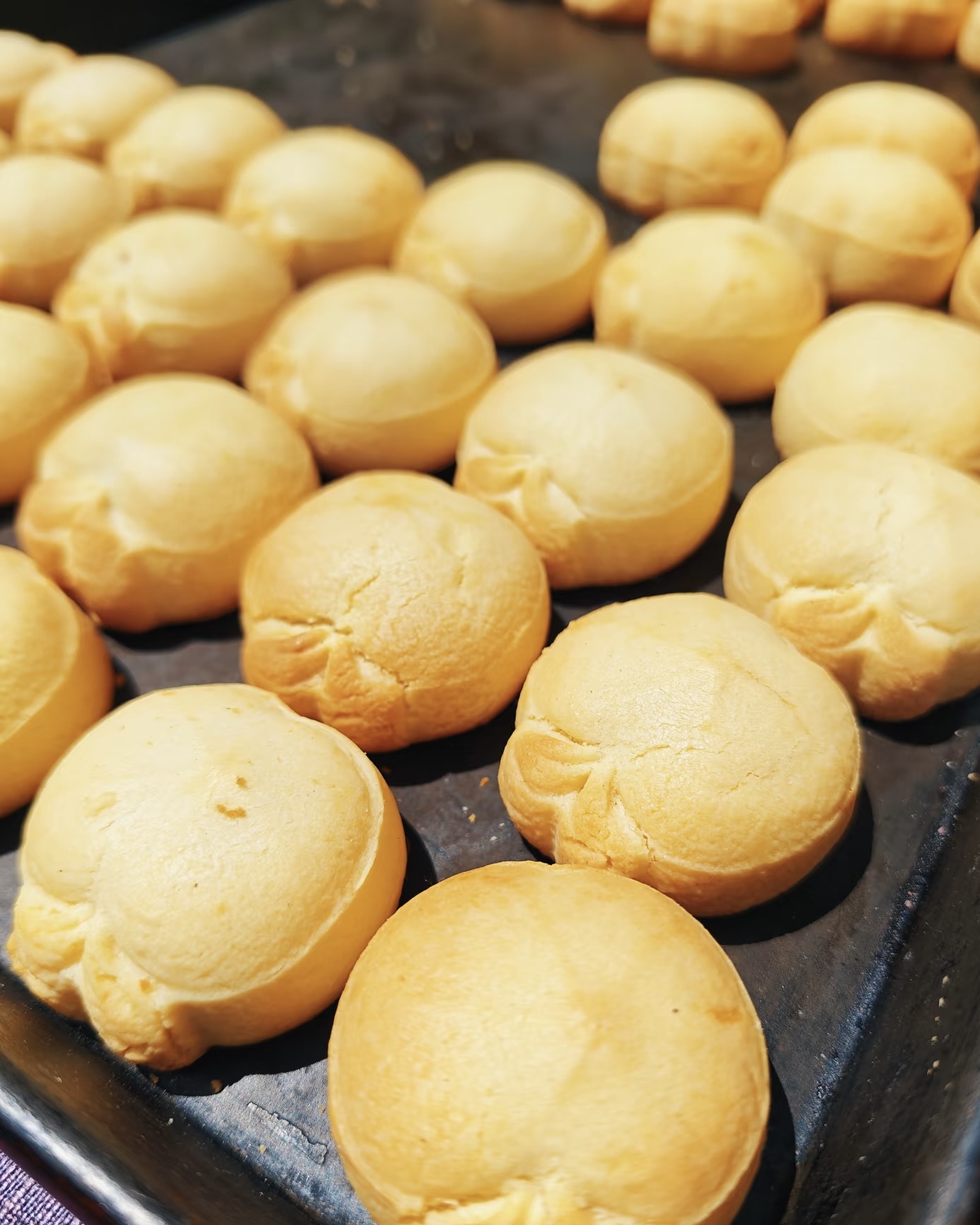
Leveraging the region’s fame for producing some of China’s crispest and sweetest apples, these traditional pastries are a delightful treat for those with a sweet tooth. The flaky, multi-layered pastry shell encases a warm, spiced filling made from slow-cooked local apples, walnuts, and a hint of cinnamon. Baked until golden brown, the contrast between the buttery, shattering crust and the tender, fruity interior is exceptional. They make for a perfect afternoon snack paired with green tea or a wonderful edible souvenir to take home.
Best Time to Visit
The absolute best time to visit Weihai is during the late spring and early autumn months, specifically from May to June and September to October. During these transitional seasons, the weather is exceptionally mild, with comfortable temperatures ranging from twenty to twenty-five degrees Celsius, and the skies are typically a brilliant, cloudless blue. The intense humidity and occasional typhoons of the midsummer months are absent, making it the perfect climate for cycling along the coastal roads, hiking the cliff trails at Chengshantou, and exploring the historical sites of Liugong Island without breaking a sweat. Furthermore, the ocean water begins to warm up by late May, allowing for pleasant beach strolls and early swimming.
If you are a dedicated seafood enthusiast, planning your trip for the autumn months, particularly September and October, is highly recommended. This period coincides with the reopening of the fishing season after the summer moratorium, meaning the local markets and restaurants are overflowing with the freshest, most abundant catches of crabs, shrimp, and fish. While July and August are the peak domestic tourist seasons due to school holidays, bringing larger crowds and higher hotel prices, they are ideal if your primary goal is swimming and vibrant beach nightlife. However, for a more relaxed, culturally immersive, and visually stunning experience with optimal photographic lighting, the crisp, clear days of autumn remain the undisputed champion.
Transportation in Weihai
Reaching Weihai is remarkably convenient thanks to its well-developed infrastructure, which includes the Weihai Dashuibo Airport offering direct flights to major domestic hubs like Beijing, Shanghai, and Guangzhou. For travelers preferring overland routes, the high-speed railway network connects Weihai seamlessly to Qingdao, Jinan, and Beijing, with the journey from Qingdao taking just under two hours through scenic coastal landscapes. The main railway station is conveniently located near the city center, making the transfer to your hotel quick and hassle-free. Additionally, long-distance luxury buses operate frequently from neighboring Shandong cities, providing a cost-effective alternative for budget-conscious travelers who wish to enjoy the highway views along the peninsula.
Once you arrive, navigating the city and its surrounding attractions is highly efficient and user-friendly. Weihai boasts an extensive and inexpensive public bus network that covers all major urban areas, beaches, and transport hubs, with tourist-specific routes designed to stop at key scenic spots. For exploring the sprawling Huancui Coastal Road or reaching distant sites like Chengshantou and Chishan, renting a car or hiring a local driver for the day offers the most flexibility and comfort. Ride-hailing apps like Didi are widely used, reliable, and very affordable, while the city’s dedicated bike-sharing programs and e-bike rentals are perfect for breezing along the flat, beautifully maintained seaside promenades at your own leisurely pace.
A 2-Day Travel Itinerary
Day 1: Start at Liugong Island (刘公岛), then continue to Chengshantou (成山头), and finish at Huancui Coastal Road (环海路). Go early so the first stop feels atmospheric rather than crowded, then treat Liugong Island (刘公岛), Chengshantou (成山头), and Huancui Coastal Road (环海路) as one connected zone instead of a checklist. Plan a meal stop for Steamed Sea Urchin (清蒸海胆) so the route also carries a clear local food moment. Use short taxi or metro hops only when the distance opens up; otherwise keep the route walkable so you can absorb storefronts, lanes, and daily local life between headline sights. By late afternoon, slow the tempo near the final stop for tea, photos, or riverfront streets so the day still feels like a weekend outing instead of a race.
Day 2: Start at International Bathing Beach (国际海水浴场), then finish at Chishan Scenic Area (赤山风景区). Keep the sequence practical through International Bathing Beach (国际海水浴场) and Chishan Scenic Area (赤山风景区) so every listed stop remains visitable and you are not forced into backtracking. Plan a meal stop for Braised Sea Cucumber with Scallions (葱烧海参) so the route also carries a clear local food moment. Start a little earlier if one site needs extra museum time, then use the middle of the day for the longest transfer and leave the final stop for a slower wrap-up. Save a little buffer for viewpoints, souvenir shopping, or one last neighborhood walk so the trip can end cleanly before departure.
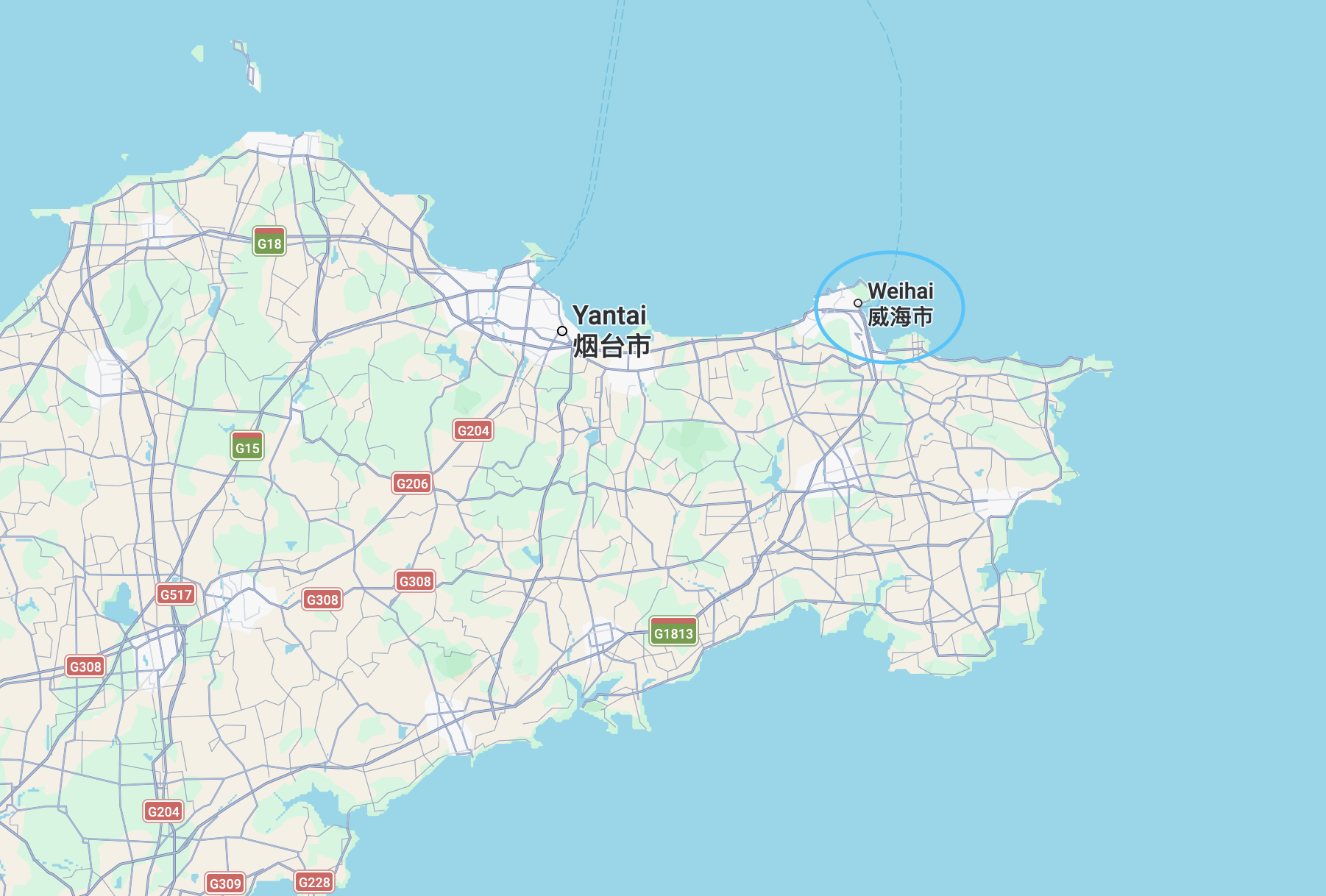
Weihai effortlessly blends profound maritime history with pristine coastal beauty,
offering an unforgettable seaside escape that lingers in the memory long after the ocean breeze fades.
