
Tianjin(天津): Where Imperial History Meets Cosmopolitan Charm
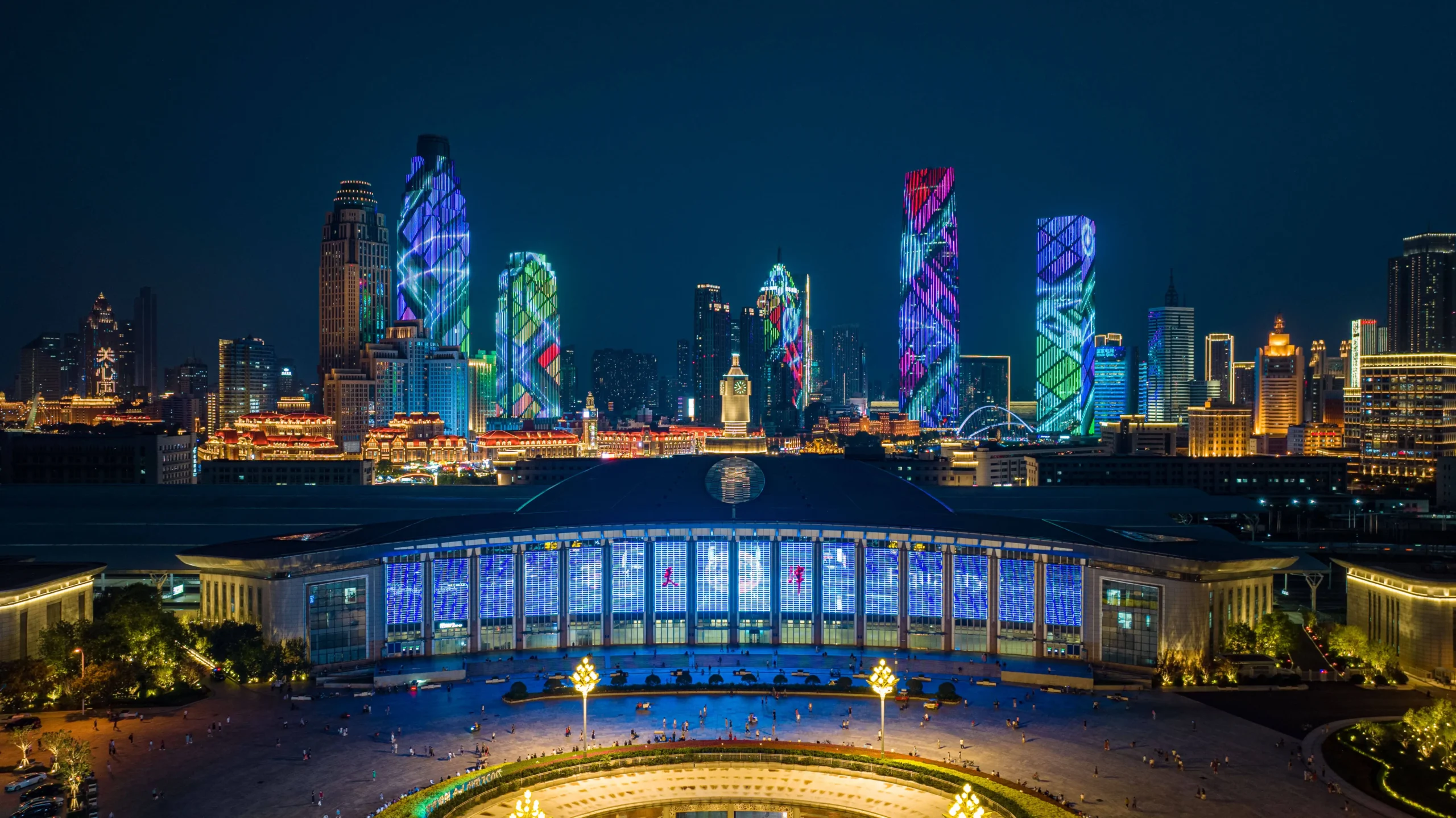 Tianjin, often overshadowed by its colossal neighbor Beijing, is a captivating metropolis where nineteenth-century European elegance seamlessly blends with traditional Chinese heritage. As a former treaty port, the city boasts an architectural tapestry of neoclassical mansions, Art Deco banks, and sweeping promenades that whisper tales of its cosmopolitan past. Strolling through the cobblestone streets of the Five Great Avenues, visitors are transported to a bygone era of diplomats and warlords, while the bustling Haihe River reflects a vibrant, modern skyline. This dynamic juxtaposition creates an atmosphere that is both nostalgic and forward-looking, offering travelers a refreshing alternative to the typical tourist trails. It is a city that rewards the curious wanderer with hidden courtyards, bustling local markets, and a distinct cultural identity that proudly stands on its own.
Beyond its striking architecture, Tianjin is a haven for those who appreciate the slower, more deliberate rhythms of northern Chinese life. The city’s profound appreciation for traditional arts, particularly crosstalk comedy and intricate clay figurines, infuses the local culture with a playful and artisanal spirit. Locals gather in teahouses to sip jasmine tea, crack sunflower seeds, and laugh at rapid-fire punchlines, embodying a relaxed lifestyle that contrasts sharply with the high-speed corporate grind of nearby economic hubs. Whether you are marveling at the towering Tianjin Eye, exploring ancient temples, or simply navigating the labyrinthine alleyways of the old Italian concession, Tianjin invites you to linger. It is a destination that balances grand historical narratives with intimate, everyday moments, ensuring an unforgettable journey through China’s northern gateway.
The Places You Absolutely Must Visit:
Five Great Avenues 五大道
click here to see the map pin📍
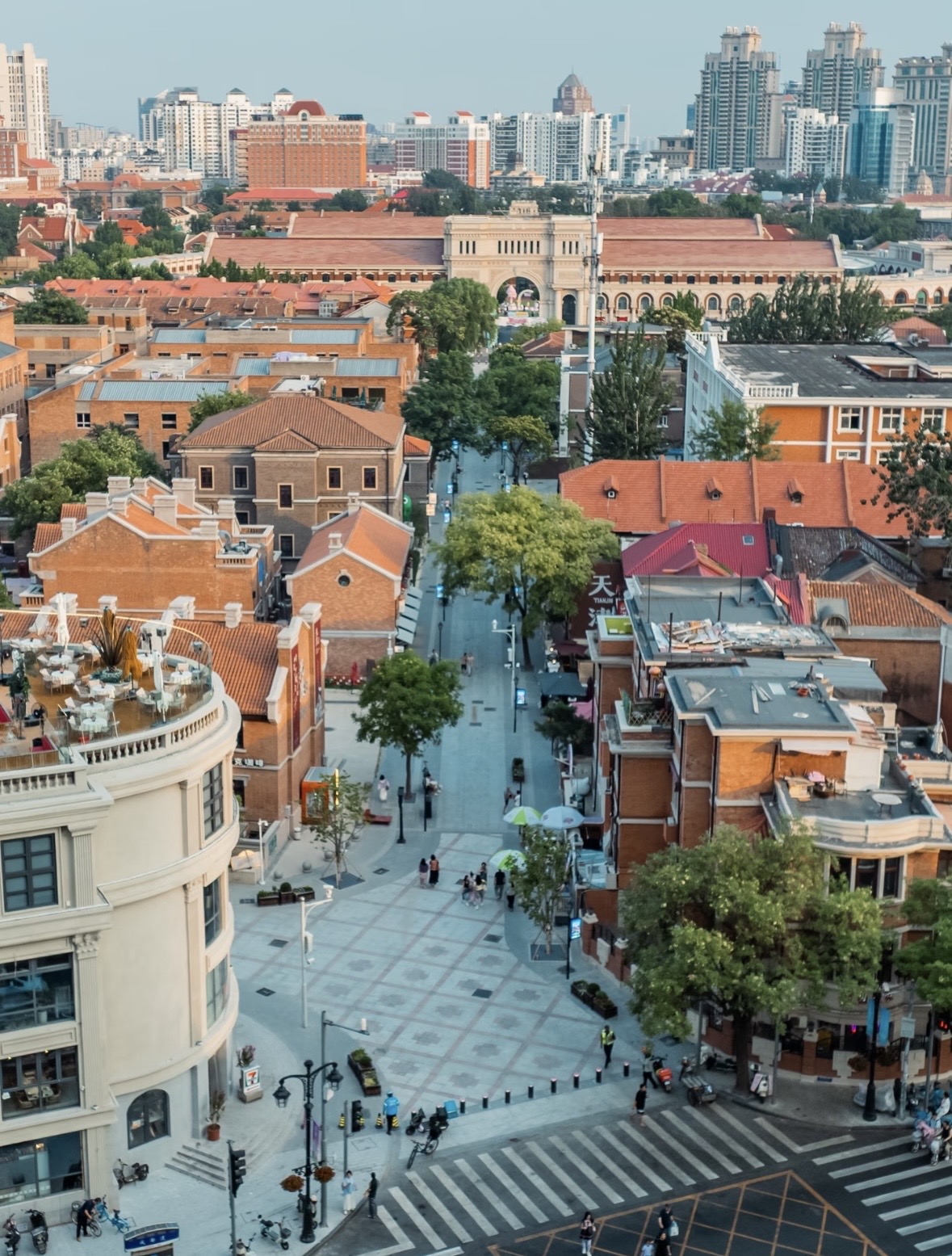
Known locally as Wudadao, this expansive historic district serves as a living museum of early twentieth-century architecture. Spanning several tree-lined streets, it features over two thousand European-style villas, lush gardens, and grand mansions once inhabited by Chinese presidents, warlords, and wealthy merchants. The area remains remarkably peaceful, offering a stark, refreshing contrast to the city’s bustling modern commercial centers. Renting a bicycle or taking a horse-drawn carriage allows visitors to absorb the intricate details of the Renaissance and Gothic facades at a leisurely pace.
While the exteriors are undeniably photogenic, the true magic of the Five Great Avenues lies in its hidden courtyards and quiet cafes. Many historic residences have been thoughtfully converted into boutique hotels, art galleries, and upscale restaurants, blending heritage preservation with modern hospitality. The Minyuan Stadium, an iconic architectural centerpiece within the district, now hosts vibrant cultural events and local markets. Wandering these avenues during the golden hour provides spectacular lighting for photography, casting long shadows across the wrought-iron gates and red-brick walls.
Ancient Culture Street 古文化街
click here to see the map pin📍
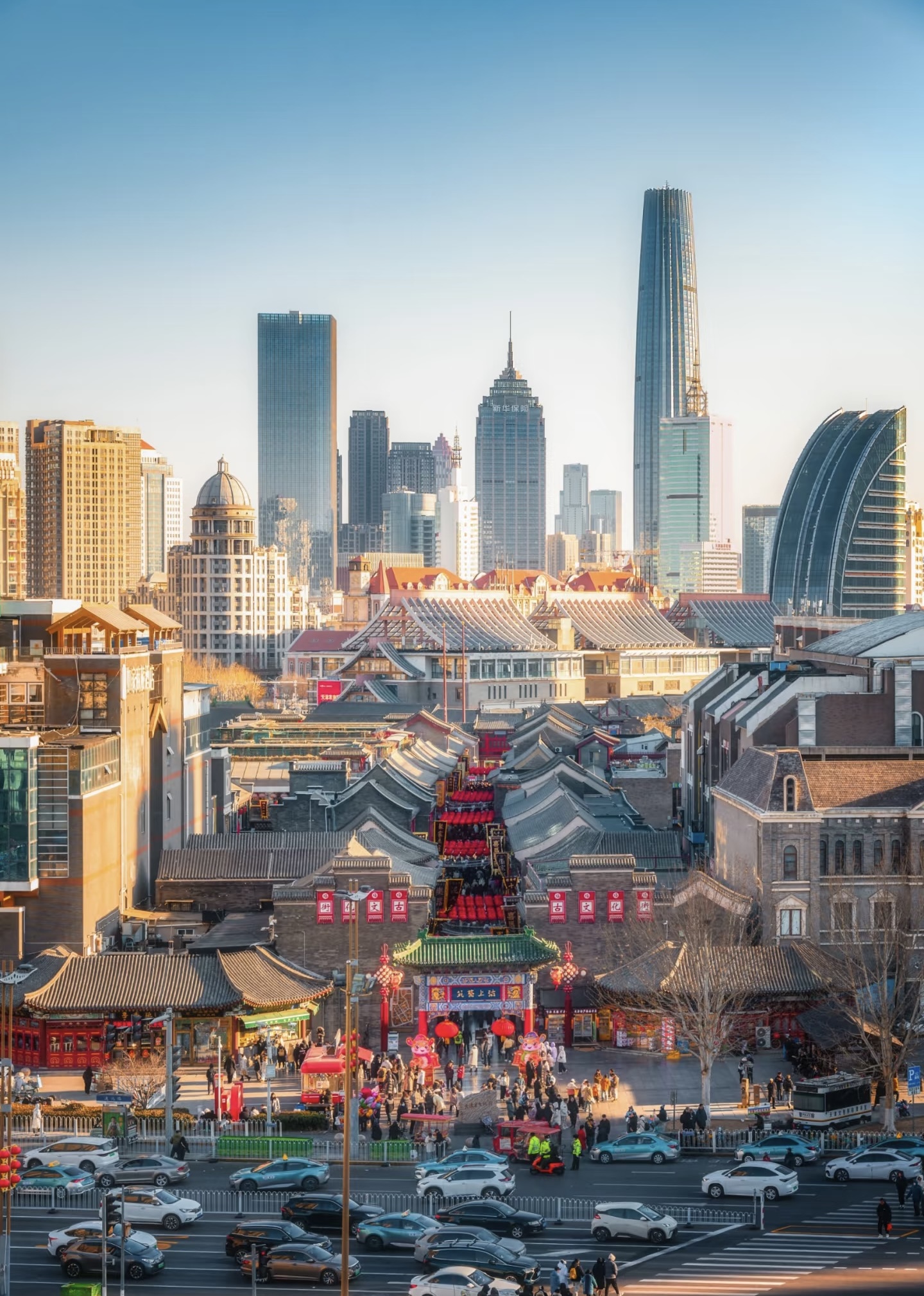
Stepping into Ancient Culture Street feels like crossing a threshold into Ming and Qing dynasty China. This bustling pedestrian thoroughfare is lined with traditional grey-brick buildings adorned with intricate wood carvings and crimson lanterns. It is the undisputed epicenter of Tianjin’s folk arts, where master craftsmen sell hand-painted clay figurines, paper cuttings, and New Year paintings. The air is perpetually filled with the aroma of roasted chestnuts and the rhythmic sounds of traditional crosstalk comedy echoing from nearby teahouses.
At the heart of this vibrant corridor stands the magnificent Tianhou Palace, a beautifully preserved temple dedicated to the Goddess of the Sea. Originally built to protect sailors and merchants navigating the nearby waterways, it now houses a fascinating folk custom museum. Visitors can participate in traditional rituals, tie prayer ribbons to the ancient courtyard trees, and admire the exquisite roof ornaments. The street is particularly enchanting during the Spring Festival, when thousands of red lanterns illuminate the night sky and stilt walkers parade through the crowds.
Tianjin Eye 天津之眼
click here to see the map pin📍
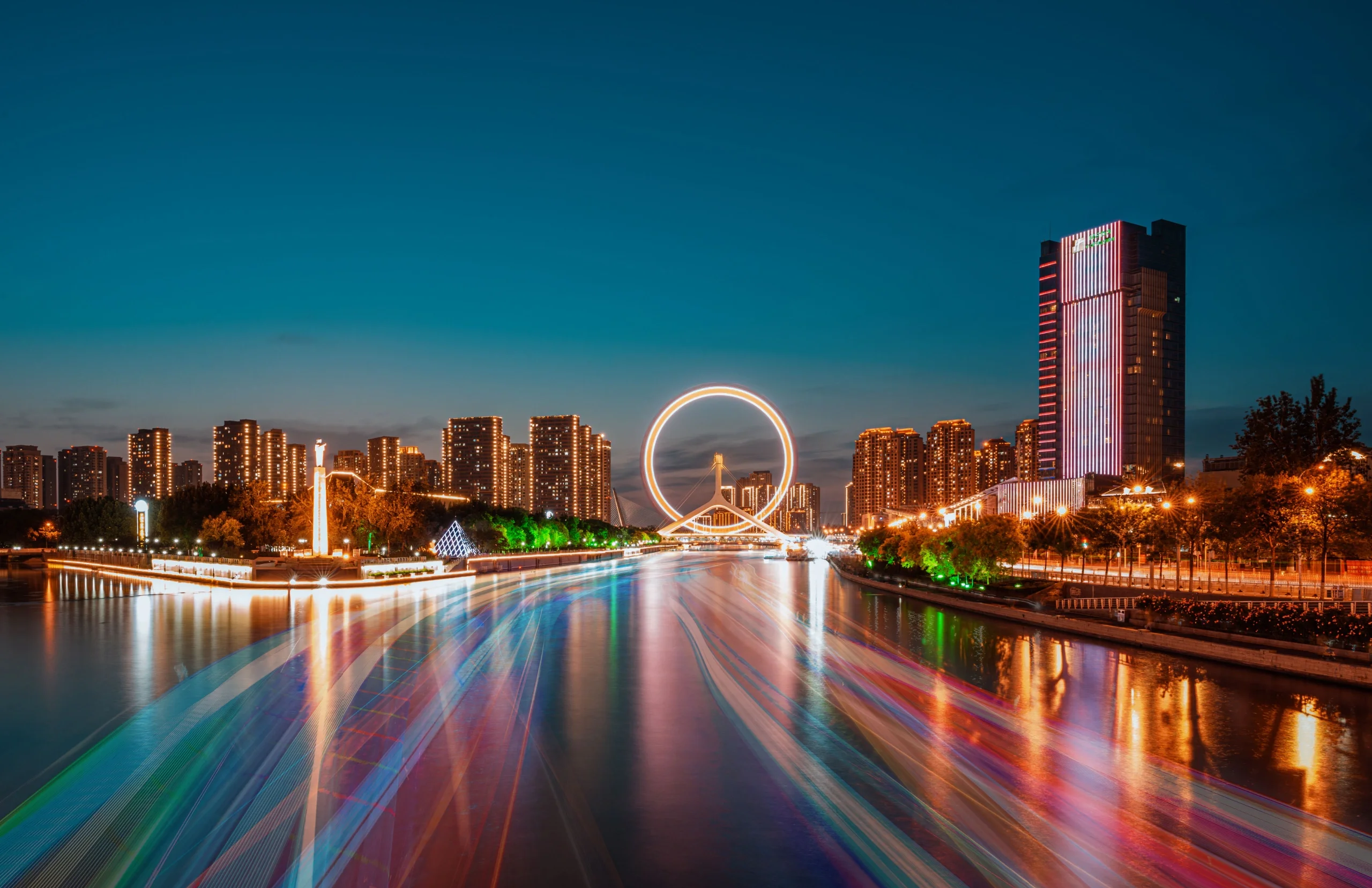
Towering gracefully over the Yongle Bridge, the Tianjin Eye is an engineering marvel and the only Ferris wheel in the world built directly over a river. Standing at an impressive 120 meters tall, it has become the ultimate symbol of the city’s modern ambition. The structure is especially mesmerizing at dusk when its LED lights reflect off the dark waters of the Haihe River below. A full rotation takes approximately thirty minutes, providing ample time to soak in the panoramic vistas.
Inside the climate-controlled, transparent capsules, passengers are treated to unobstructed, sweeping views of Tianjin’s sprawling metropolis. From the apex, you can easily spot the glittering skyscrapers of the central business district, the historic bridges spanning the river, and the distant silhouettes of the surrounding plains. It is a wildly popular spot for couples and photographers, so booking tickets in advance or visiting on a weekday morning is highly recommended to avoid lengthy queues. The surrounding riverside promenade also offers excellent vantage points for capturing the wheel against the sunset.
Italian Style Quarter 意大利风情区
click here to see the map pin📍
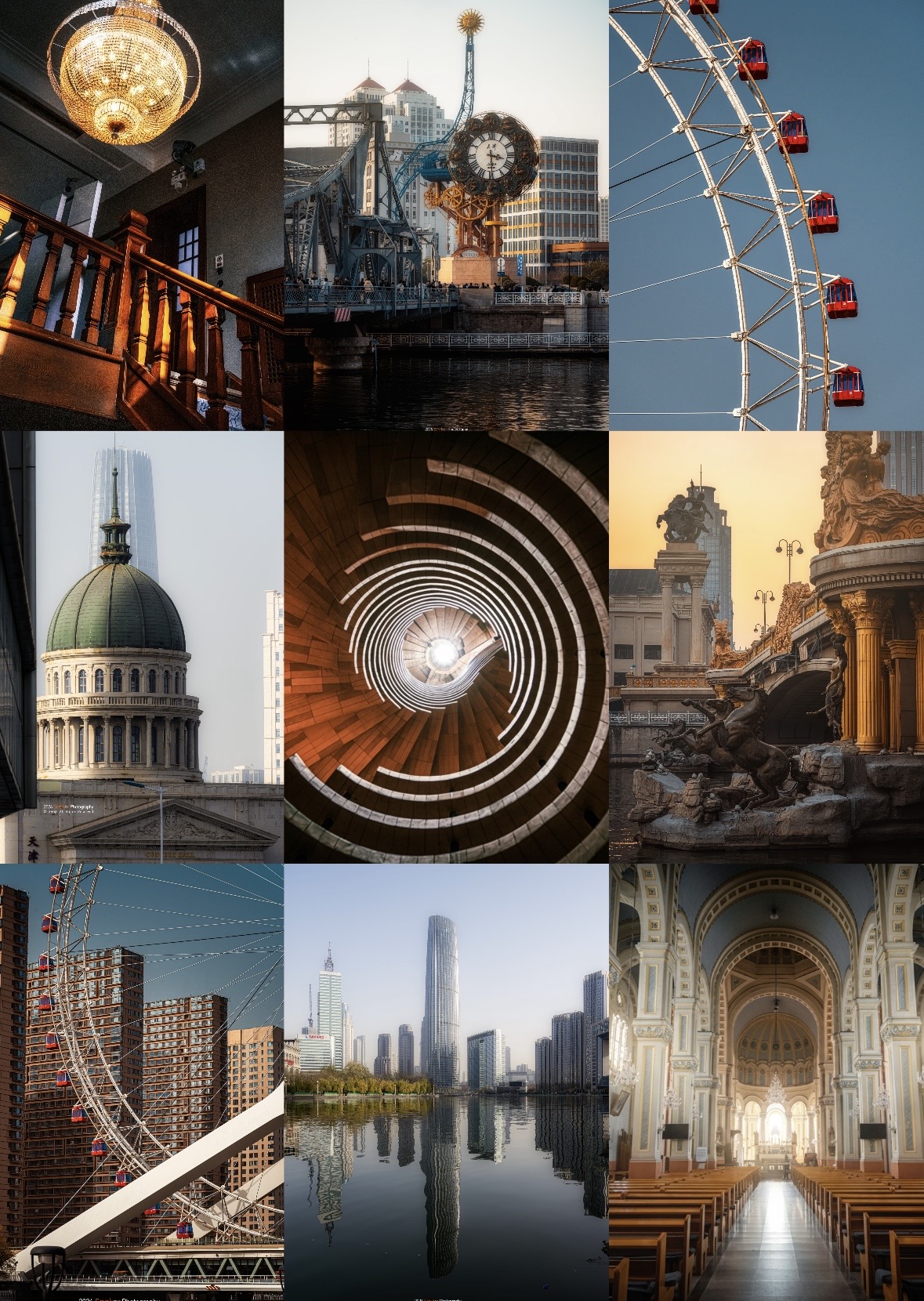
Once the heart of the Italian concession, this meticulously restored neighborhood transports visitors straight to the sun-drenched piazzas of Europe. Cobblestone squares, terracotta-roofed villas, and elegant marble fountains define the architectural landscape, making it one of the largest clusters of Italian-style buildings outside of Italy. The area has been revitalized into a vibrant hub of entertainment, featuring al fresco dining, artisanal gelaterias, and upscale boutiques. It is a favorite location for local couples taking wedding photographs amidst the romantic, Mediterranean backdrop.
Beyond its visual charm, the Italian Style Quarter is deeply intertwined with the city’s modern historical narrative. Several prominent historical figures, including the reformist Liang Qichao, once resided in these elegant villas, and their former homes are now open to the public as museums. As evening falls, the district transforms into a lively nightlife destination, with jazz clubs and wine bars spilling out onto the pedestrian streets. The warm glow of streetlamps reflecting off the classical facades creates an incredibly atmospheric setting for a nocturnal stroll.
Porcelain House 瓷房子
click here to see the map pin📍
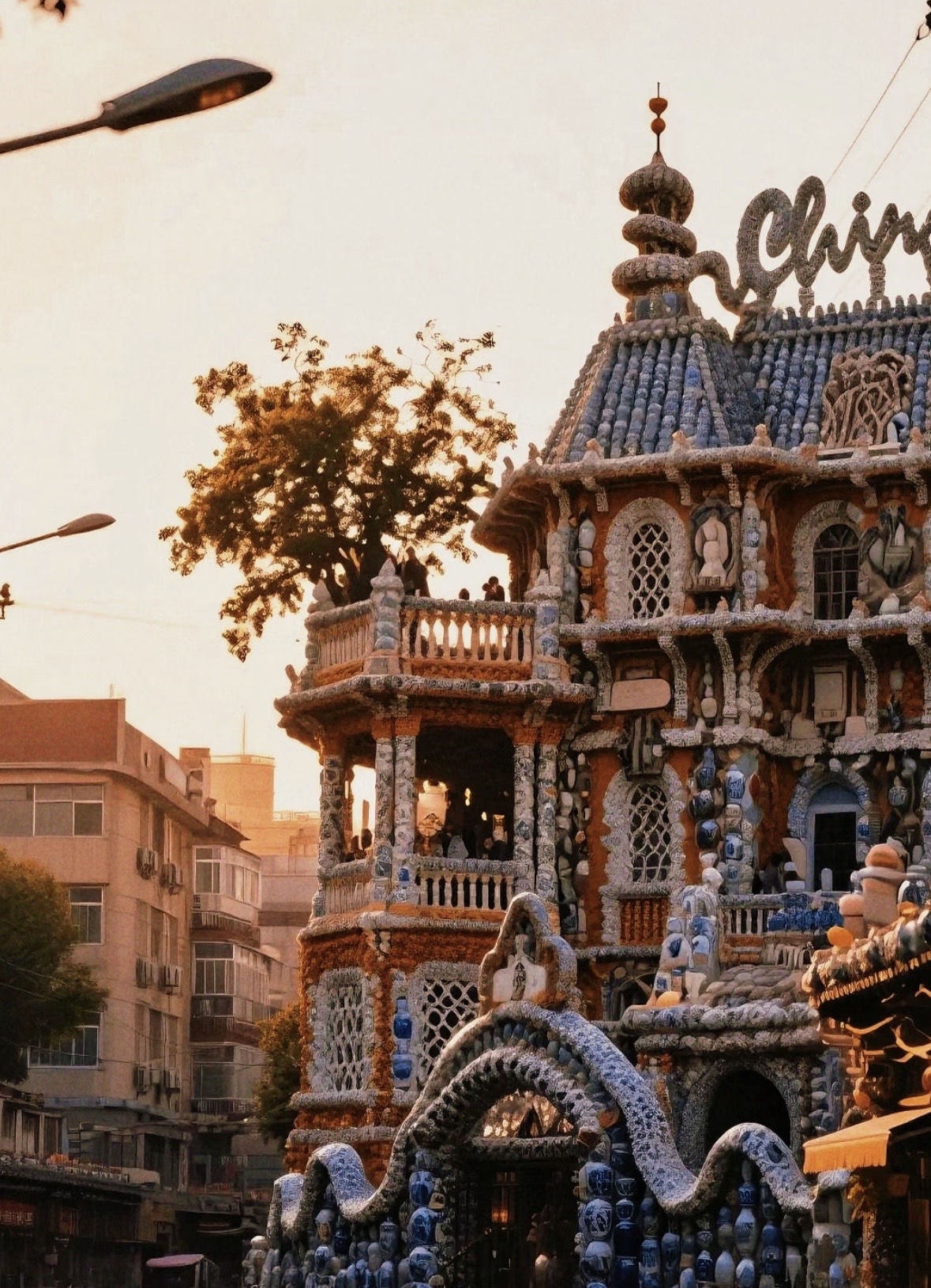
Few buildings in the world are as delightfully eccentric and visually overwhelming as the Porcelain House. This former French-style villa has been entirely encrusted with hundreds of millions of antique porcelain shards, celadon vases, and crystal agates by its owner, a local collector and artist. The mosaics cover every inch of the exterior walls, interior staircases, and even the rooftop, creating a dazzling, chaotic masterpiece of recycled art. Dragons, mythical beasts, and calligraphic symbols emerge from the sea of shattered ceramics.
Navigating the labyrinthine interior of the Porcelain House is a surreal, almost psychedelic experience. The eclectic collection includes Ming and Qing dynasty porcelain fragments, Buddhist statues, and ancient stone carvings, all fused together with modern artistic sensibility. While some critics view it as a garish destruction of antiques, others celebrate it as a bold, avant-garde expression of contemporary Chinese folk art. Regardless of your aesthetic stance, the sheer scale and audacity of the project make it an unforgettable, highly photogenic stop on any Tianjin itinerary.
Tianjin Cuisine
Tianjin’s culinary landscape is a robust reflection of its geography and history, heavily influenced by its coastal location and its status as a vital northern trading hub. The local palate favors bold, savory flavors, with a pronounced emphasis on seafood, hearty wheat-based noodles, and rich, slow-braised meats. Unlike the fiery heat of Sichuan or the delicate sweetness of Canton, Tianjin cuisine relies on complex layers of soy sauce, vinegar, and sesame oil to build depth. The city’s bustling morning markets are the true epicenter of this gastronomic culture, where locals queue for freshly prepared, piping-hot breakfasts that fuel the day ahead.
Beyond the breakfast stalls, Tianjin boasts a thriving street food scene and a plethora of time-honored restaurants that have perfected their recipes over generations. The concept of Jinmen hospitality means that portions are generous, and the atmosphere is invariably loud, convivial, and welcoming. Whether you are slurping a bowl of rich noodle soup in a narrow alleyway or dining on premium river fish in a grand banquet hall, the food here is deeply comforting and unapologetically hearty. It is a cuisine that prioritizes substance, warmth, and communal enjoyment, perfectly mirroring the down-to-earth character of the city’s residents.
Jianbing Guozi 煎饼果子

The undisputed king of Tianjin breakfasts, Jianbing Guozi is a savory crepe made from a mung bean and millet flour batter. It is spread thin on a circular griddle, topped with an egg, scallions, and cilantro, then wrapped around a crispy fried dough stick or a delicate cracker. Brushed with fermented bean paste and chili oil, it offers a perfect symphony of soft, crunchy, and spicy textures that locals fiercely protect from modern, non-traditional variations.
Goubuli Steamed Buns 狗不理包子
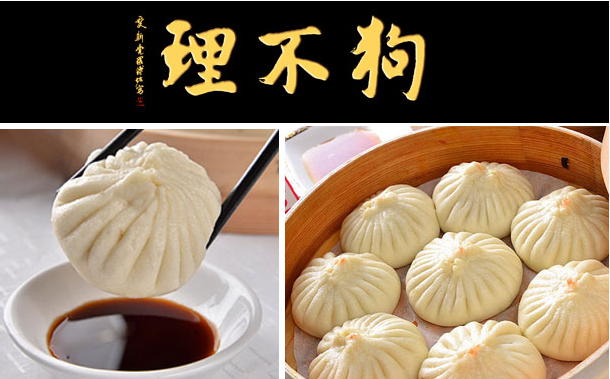
Translating playfully to dogs ignore, these legendary steamed buns are perhaps Tianjin’s most famous culinary export, historically favored by the Empress Dowager Cixi. Each bun is meticulously crafted with precisely eighteen folds, encasing a rich, gelatinous pork filling that bursts with savory broth upon the first bite. While locals often debate whether the modern commercialized versions live up to the historical hype, visiting a flagship restaurant remains a quintessential rite of passage for first-time visitors seeking a taste of imperial-era culinary heritage.
Erduoyan Fried Cake 耳朵眼炸糕
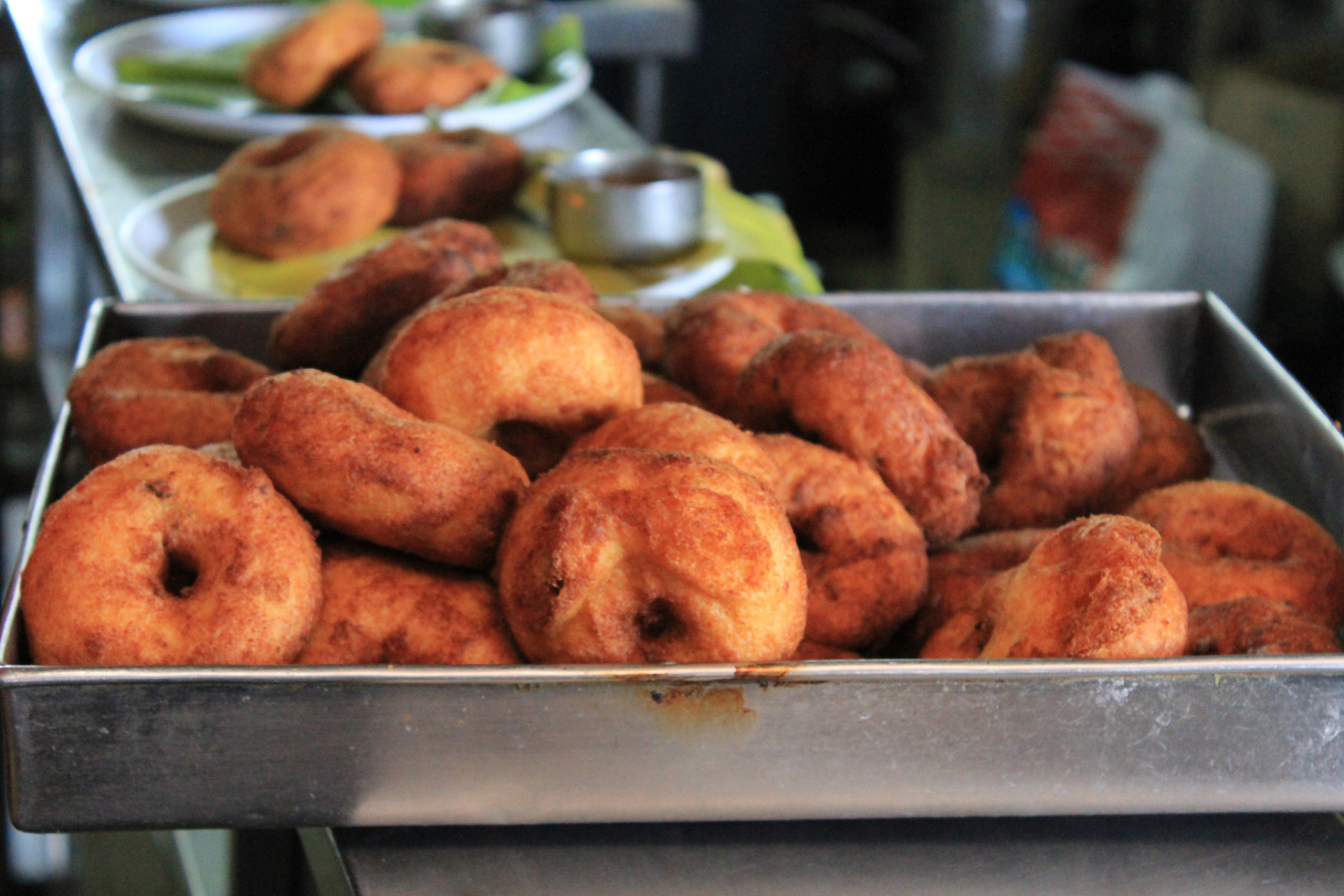
Named after the narrow alleyway where it was first sold over a century ago, Erduoyan is a beloved sweet treat characterized by its striking golden-brown crust. Made from glutinous rice dough and stuffed with a smooth, intensely sweet red bean paste, the cakes are deep-fried until perfectly crisp. The contrast between the crunchy, slightly chewy exterior and the molten, fragrant interior makes it an irresistible snack, especially when paired with a cup of bitter jasmine tea to balance the rich sweetness.
Tianjin Mahua 天津麻花
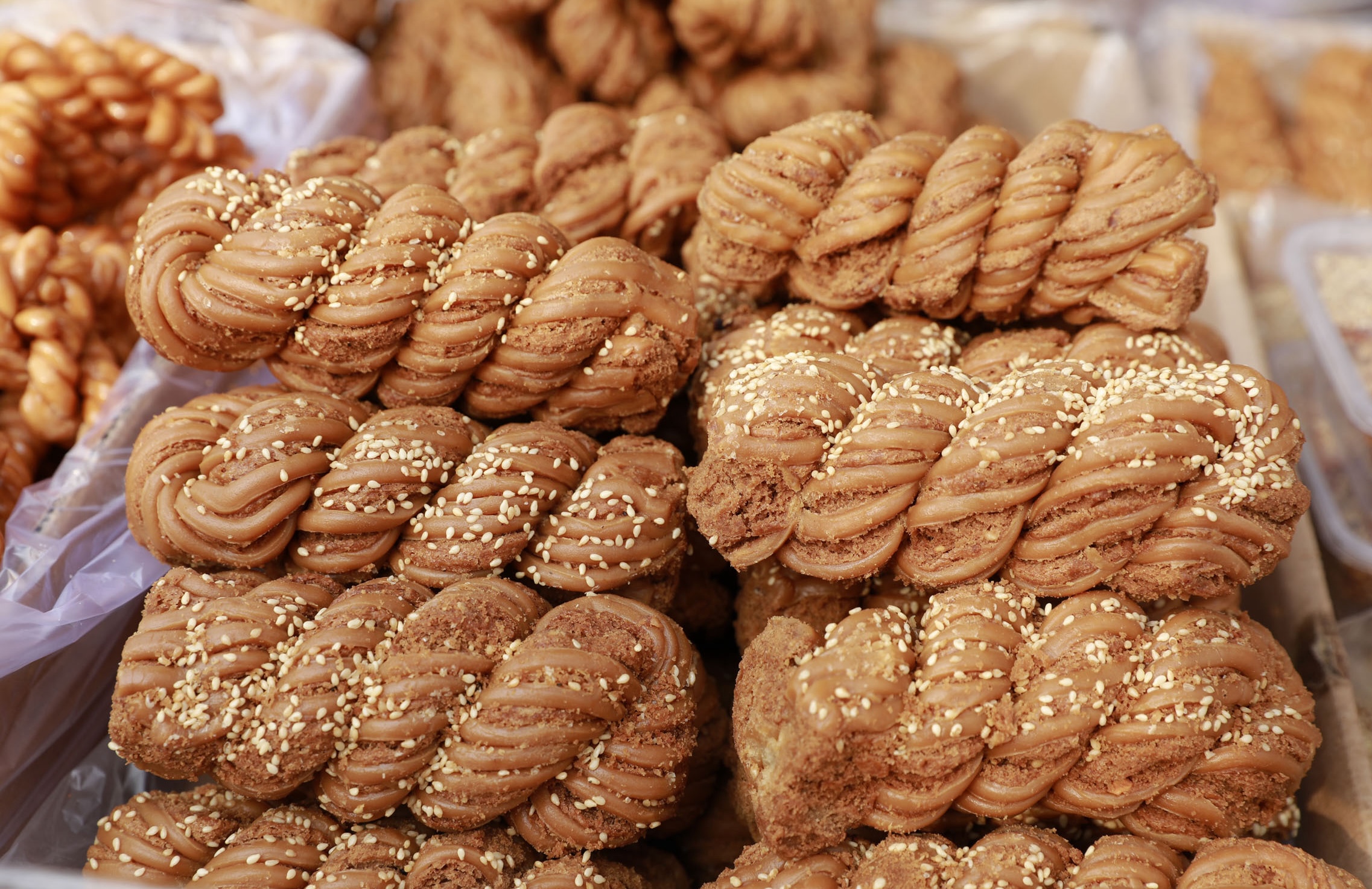
Guifaxiang Mahua is a monumental twisted dough twist that is deep-fried to a shatteringly crisp perfection. Often studded with rock sugar, walnuts, sesame seeds, and osmanthus flowers, these massive braided pastries can last for months without spoiling. They are incredibly hard and require some effort to bite into, but they reward the persistent snacker with a deeply nutty, caramelized flavor profile. Buying a beautifully boxed Mahua is the traditional and highly appreciated way to bring a piece of Tianjin back home to family.
Pot-stewed Fish 贴饽饽熬鱼
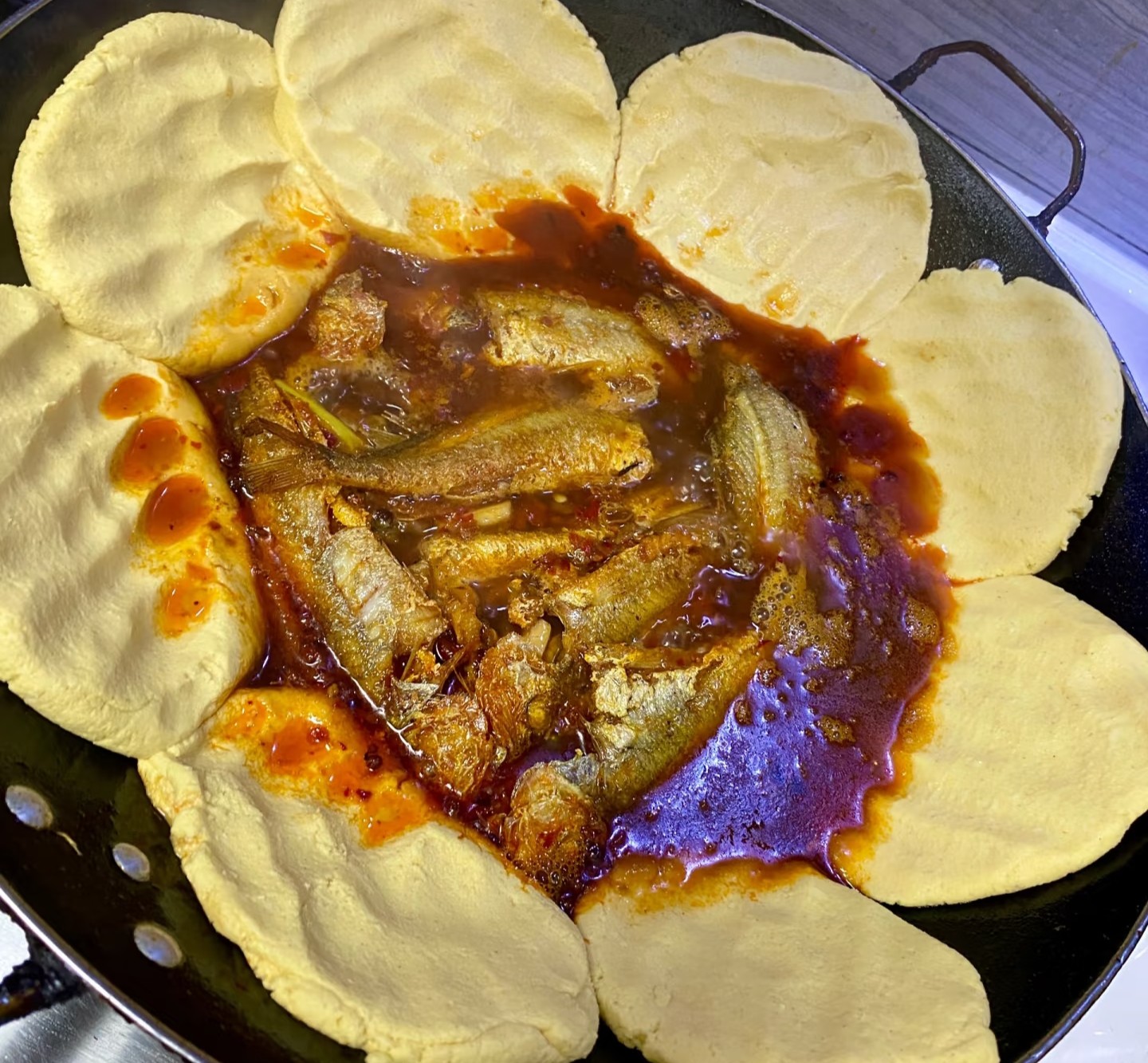
This rustic, deeply comforting dish highlights Tianjin’s coastal heritage, featuring fresh river or sea fish slow-simmered in a rich, savory broth of soy sauce, ginger, and garlic. The magic happens when cornmeal buns are slapped directly onto the sides of the iron pot above the simmering fish. As the fish stews, the buns steam and absorb the aromatic, umami-rich vapors, resulting in a crispy bottom and a fluffy top that is perfect for mopping up the intensely flavorful sauce.
Best Time to Visit
The absolute best time to visit Tianjin is during the autumn months, specifically from September to November. During this period, the oppressive summer humidity dissipates, giving way to crisp, clear air and brilliantly blue skies. The temperatures hover in a comfortable range, making it ideal for long, uninterrupted walks through the sprawling Five Great Avenues or along the breezy Haihe River promenade. Furthermore, the city’s abundant ginkgo and maple trees burst into vibrant shades of gold and crimson, providing a stunning natural backdrop to the historic European architecture.
Spring, from March to May, is the second most favorable season, characterized by blooming flowers and a lively, rejuvenated atmosphere as locals emerge from the bitter winter. However, visitors should be prepared for occasional spring dust storms blowing in from the northern plains, which can temporarily reduce visibility and air quality. It is highly advisable to avoid the peak summer months of July and August, when the heat and humidity can be stifling, as well as the freezing, wind-swept winter months of December through February, which make outdoor sightseeing quite uncomfortable.
Transportation in Tianjin
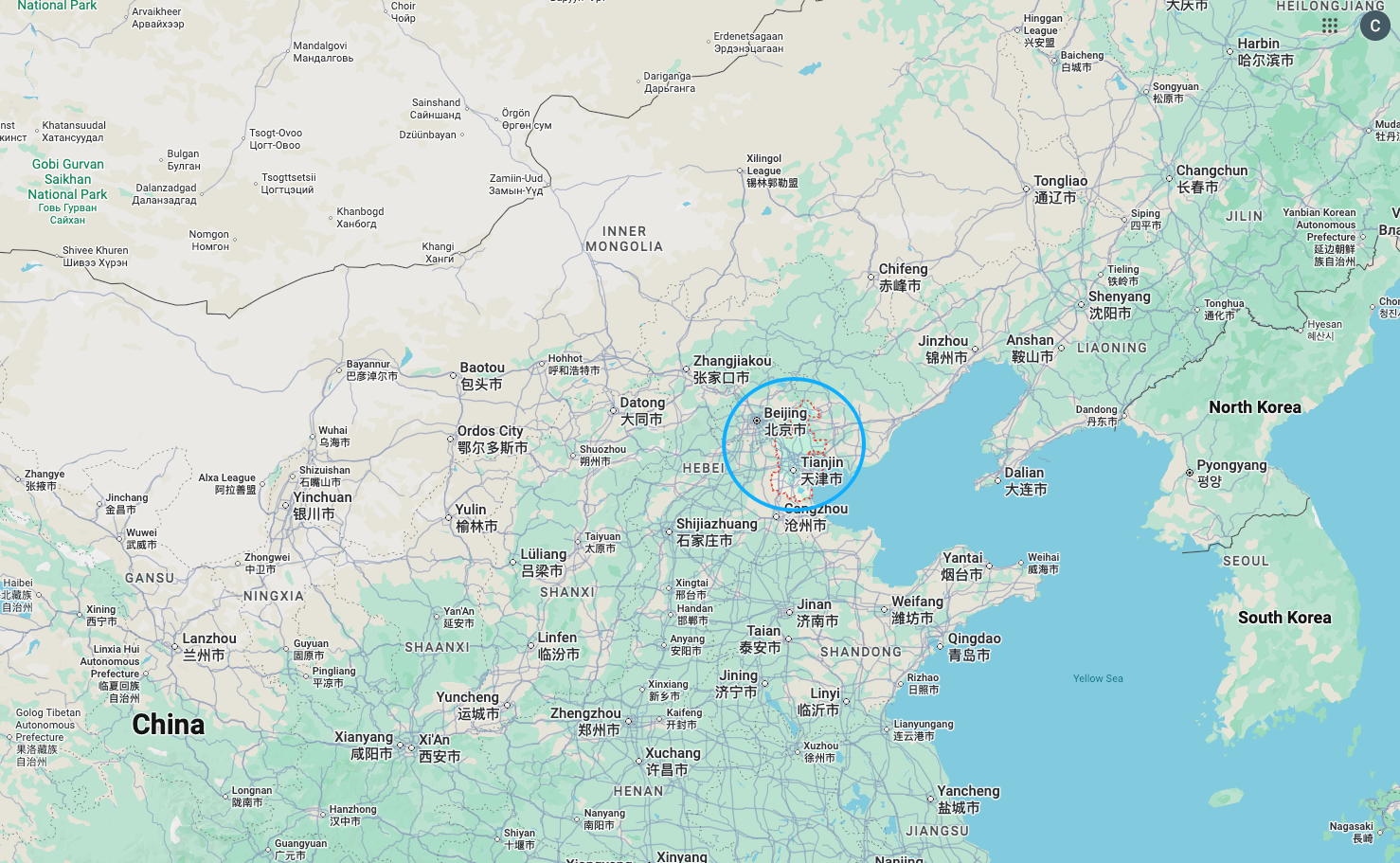
Reaching Tianjin is exceptionally convenient, largely due to its proximity to Beijing and its status as a major transportation hub. The high-speed rail network is the most efficient way to arrive, with bullet trains departing from Beijing South Railway Station and arriving at Tianjin Railway Station or Tianjin West in just over thirty minutes. For international travelers, Tianjin Binhai International Airport offers a growing number of direct flights, though many opt to fly into Beijing Capital and take the seamless intercity train. The city’s main railway stations are centrally located, immediately connecting arrivals to the urban core.
Navigating within Tianjin is straightforward and highly affordable, supported by a comprehensive and modern public transit system. The Tianjin Metro is clean, punctual, and covers most major tourist attractions, with English signage and automated ticket machines making it accessible for foreign visitors. For shorter distances or scenic routes, the extensive network of shared bicycles and ride-hailing apps like DiDi provide excellent flexibility. Taxis are plentiful and reasonably priced, though it is always recommended to have your destination written in Chinese characters to ensure smooth communication with drivers who may not speak English.
A 2-Day Travel Itinerary
Day 1: Start at Five Great Avenues (五大道), then continue to Ancient Culture Street (古文化街), and finish at Tianjin Eye (天津之眼). Go early so the first stop feels atmospheric rather than crowded, then treat Five Great Avenues (五大道), Ancient Culture Street (古文化街), and Tianjin Eye (天津之眼) as one connected zone instead of a checklist. Plan a meal stop for Jianbing Guozi (煎饼果子) so the route also carries a clear local food moment. Use short taxi or metro hops only when the distance opens up; otherwise keep the route walkable so you can absorb storefronts, lanes, and daily local life between headline sights. By late afternoon, slow the tempo near the final stop for tea, photos, or riverfront streets so the day still feels like a weekend outing instead of a race.
Day 2: Start at Italian Style Quarter (意大利风情区), then finish at Porcelain House (瓷房子). Keep the sequence practical through Italian Style Quarter (意大利风情区) and Porcelain House (瓷房子) so every listed stop remains visitable and you are not forced into backtracking. Plan a meal stop for Goubuli Steamed Buns (狗不理包子) so the route also carries a clear local food moment. Start a little earlier if one site needs extra museum time, then use the middle of the day for the longest transfer and leave the final stop for a slower wrap-up. Save a little buffer for viewpoints, souvenir shopping, or one last neighborhood walk so the trip can end cleanly before departure.
Tianjin effortlessly bridges the gap between imperial antiquity and modern vitality, offering a richly textured journey that lingers long after the final bite of a steaming street-side crepe.
