
Shaoxing(绍兴): Where Waterways, Writers, and Wines Weave a Timeless Tapestry

Nestled in China’s eastern Zhejiang Province, Shaoxing is a city that breathes history—not as a relic behind glass, but as living rhythm in its crisscrossing canals, centuries-old stone bridges, and the quiet hum of scholars’ inkwells. Often overshadowed by nearby Hangzhou or Ningbo, Shaoxing rewards the curious traveler with authenticity: no theme-park facades, no forced performances—just layered heritage, subtle flavors, and an unhurried pace shaped by water and words.
This is the hometown of Lu Xun, China’s most influential modern writer, and the ancestral cradle of Chinese yellow wine (huangjiu), brewed for over 2,500 years. Its identity is woven from three threads: literary legacy, artisanal fermentation, and watery geography—over 200 ancient stone bridges span more than 1,000 kilometers of navigable canals. To walk Shaoxing is to stroll through a living scroll painting: willow-draped quays, black-tiled rooftops sloping toward reflective water, and alleyways where elders sip warm huangjiu at noon and children chase dragonflies across granite slabs.
The Places You Absolutely Must Visit:
Lu Xun’s Former Residence 鲁迅故居
click here to see the map pin📍

Step into the meticulously preserved compound where China’s greatest modern writer spent his formative years. The residence includes the ancestral home, the private study ‘Sanwei Shuwu’, and the iconic Hundred-Plant Garden (Baicao Yuan) — a lush, walled courtyard that inspired Lu Xun’s nostalgic essays. Original calligraphy, inkstones, and family furnishings offer intimate insight into his early world.
Visitors enter via the same narrow gate Lu Xun passed through as a boy; guided tours (available in English upon request) contextualize his rebellious spirit against the Confucian rigidity he later critiqued. Adjacent is the Lu Xun Memorial Hall, housing rare manuscripts, first editions, and personal letters — essential for understanding how Shaoxing’s quiet intensity forged his incisive voice.
East Lake 东湖
click here to see the map pin📍
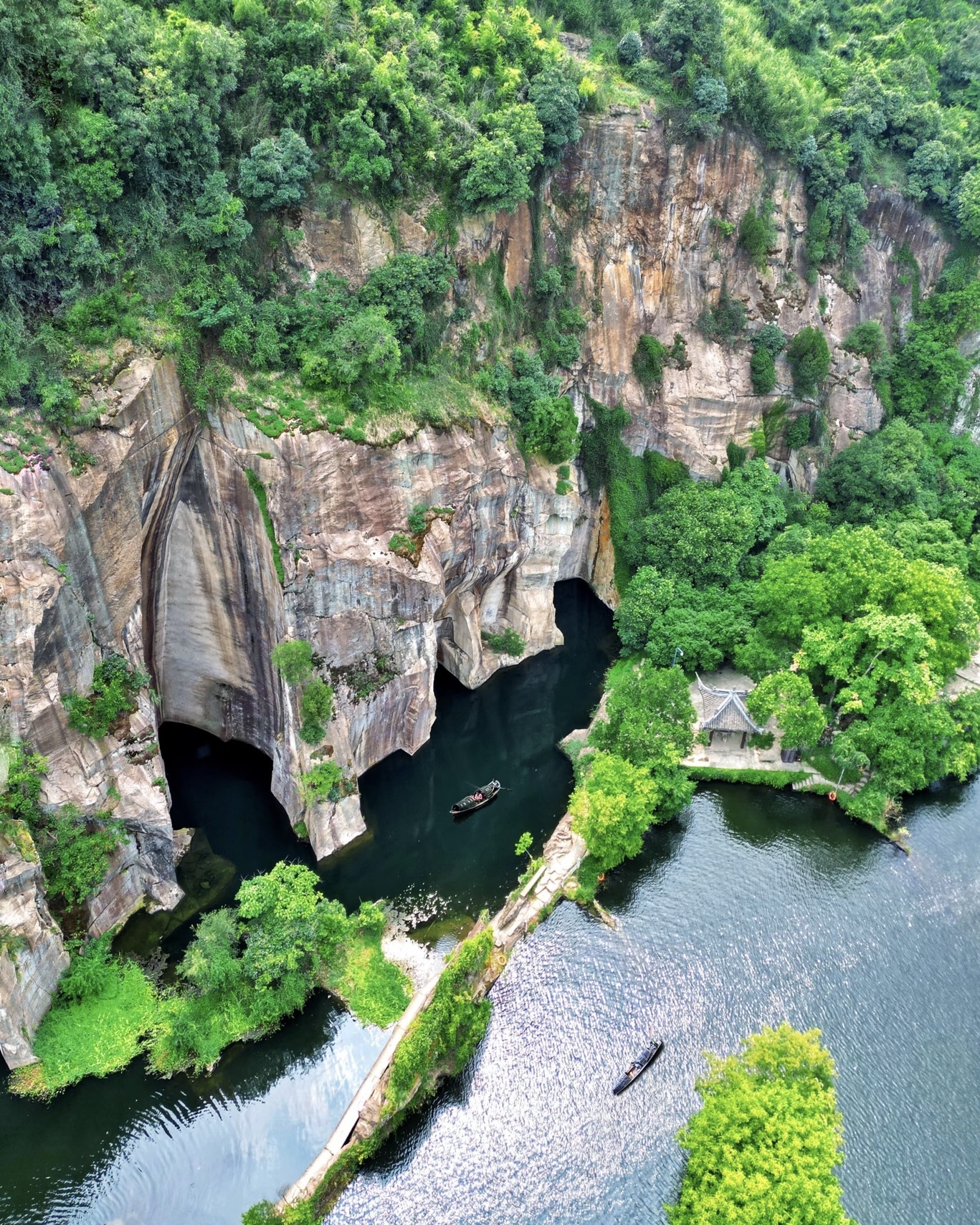
Carved not by nature but by human hands over 2,000 years ago, East Lake began as a limestone quarry during the Qin Dynasty. Centuries of excavation created dramatic cliffs, hidden caves, and jade-green waters now embraced by weeping willows and Ming-era pavilions.
The best way to experience it is by traditional shikara-style boat — poled by local oarsmen who point out inscriptions carved into cliff faces and recount legends of poets who once composed verses here. Don’t miss the ‘Xiao Wu Shan’ viewing platform and the serene ‘Yue Lai Ting’ pavilion, both offering postcard-perfect frames of mist-laced water and rock.
Orchid Pavilion 兰亭
click here to see the map pin📍
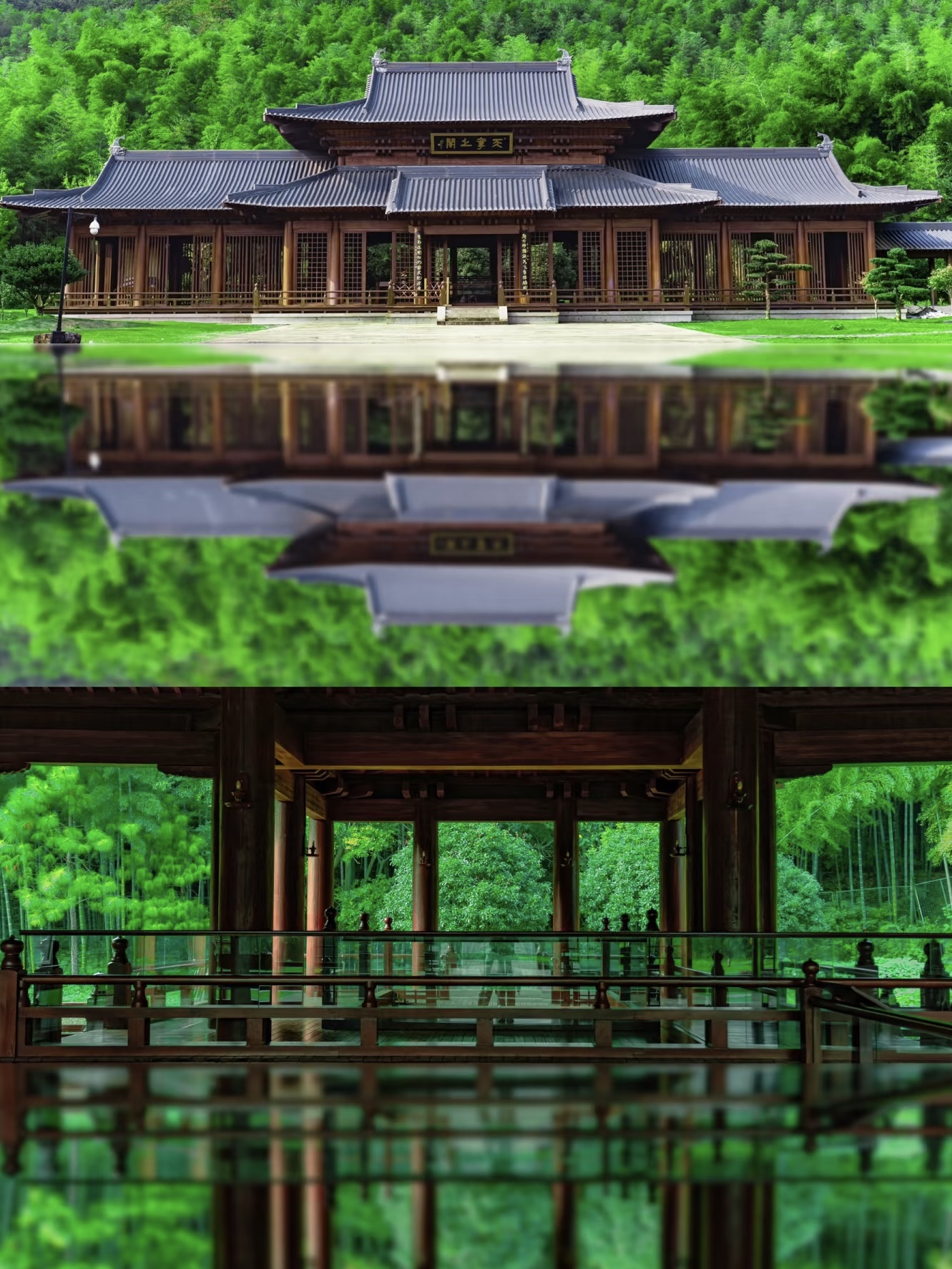
Set amid bamboo groves and gentle hills 12 km south of downtown, Orchid Pavilion commemorates the legendary ‘Orchid Pavilion Gathering’ of 353 CE — when 42 literati, led by calligrapher Wang Xizhi, composed poetry while floating cups of wine down a winding stream.
Wang’s preface to the poems — the ‘Lanting Xu’ — became the most revered work in Chinese calligraphy history. Though the original is lost, the site houses meticulous rubbings, steles inscribed by emperors and masters, and the ‘Flowing Cup Pavilion’ re-creating the original stream. Springtime brings plum blossoms and calligraphy workshops — ideal for hands-on cultural immersion.
Ancient City Wall & Yuewang Temple 绍兴古城墙与越王庙
click here to see the map pin📍

Shaoxing’s remarkably intact Ming-Qing city wall stretches over 6 km and encircles the historic core. Climb the restored sections near Panmen Gate for panoramic views of tiled roofs cascading toward the river — especially magical at dawn or golden hour.
Within the wall lies Yuewang Temple, dedicated to Goujian, the 5th-century BCE King of Yue whose perseverance (famously sleeping on brushwood and tasting gall) secured victory over rival Wu. The temple complex features solemn statues, bronze drums, and vivid murals depicting his resilience — a cornerstone of local identity and moral storytelling.
Shen Garden 沈园
click here to see the map pin📍

A Song Dynasty scholar’s garden transformed into an enduring symbol of tragic romance. Here, poet Lu You reunited with his estranged wife Tang Wan in 1155 — their poignant exchange of poems, carved into garden walls, moved generations. Though the original structures are gone, the current layout faithfully evokes the garden’s poetic melancholy.
Pavilions overlook lotus ponds and weeping willows; stone steles bear Lu You’s heart-wrenching verses, including ‘Phoenix Phoenix Hairpin’. Evening light softens the red brick and grey tile, and seasonal lotus blooms echo the fragility and beauty described in the poems — making Shen Garden less a sight and more a sensory meditation on love and loss.
Shaoxing Cuisine
Shaoxing cuisine (Shao Bang) is one of China’s eight great culinary traditions — yet it remains delightfully unpretentious. Built on freshwater ingredients, fermented depth, and restrained seasoning, it favors umami over heat, subtlety over spectacle. Local chefs prize texture — tender braised eel, springy river shrimp, silken tofu — and elevate preservation into art: pickled mustard greens, cured duck, and, above all, huangjiu.
Unlike Sichuan’s boldness or Cantonese precision, Shaoxing cooking whispers. It’s food meant for slow sipping of wine and long conversation — think rich, amber-colored braises infused with aged huangjiu, delicate steamed fish perfumed with ginger and scallion, and dumplings filled with savory-sweet minced pork and preserved vegetables. Dining here isn’t about novelty; it’s about continuity — recipes passed down through generations, unchanged in essence, refined only in execution.
Shaoxing Drunken Chicken 绍兴醉鸡
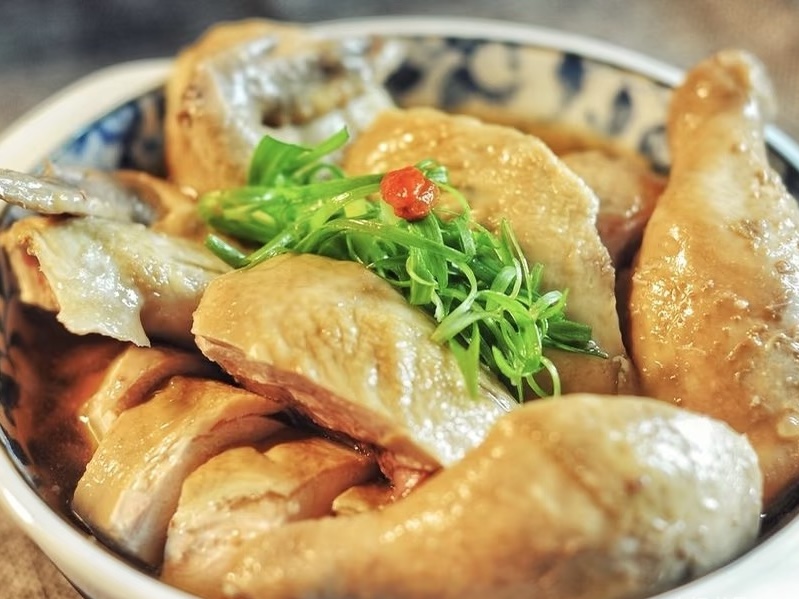
Tender poached chicken marinated for days in locally brewed huangjiu, soy sauce, ginger, and star anise. The wine gently cures the meat, yielding translucent, fragrant slices with a clean, slightly sweet finish — traditionally served chilled as a starter or late-night snack.
Meigan Cai Steamed Pork 梅干菜扣肉

A soul-warming classic: thick-cut belly pork slow-braised until gelatinous, then layered with intensely savory, sun-dried meigan cai (mustard green pickle). Steamed together, the fat renders into the greens, creating a rich, salty-sweet harmony that defines Shaoxing home cooking.
Shaoxing Yellow Wine (Huangjiu) 绍兴黄酒
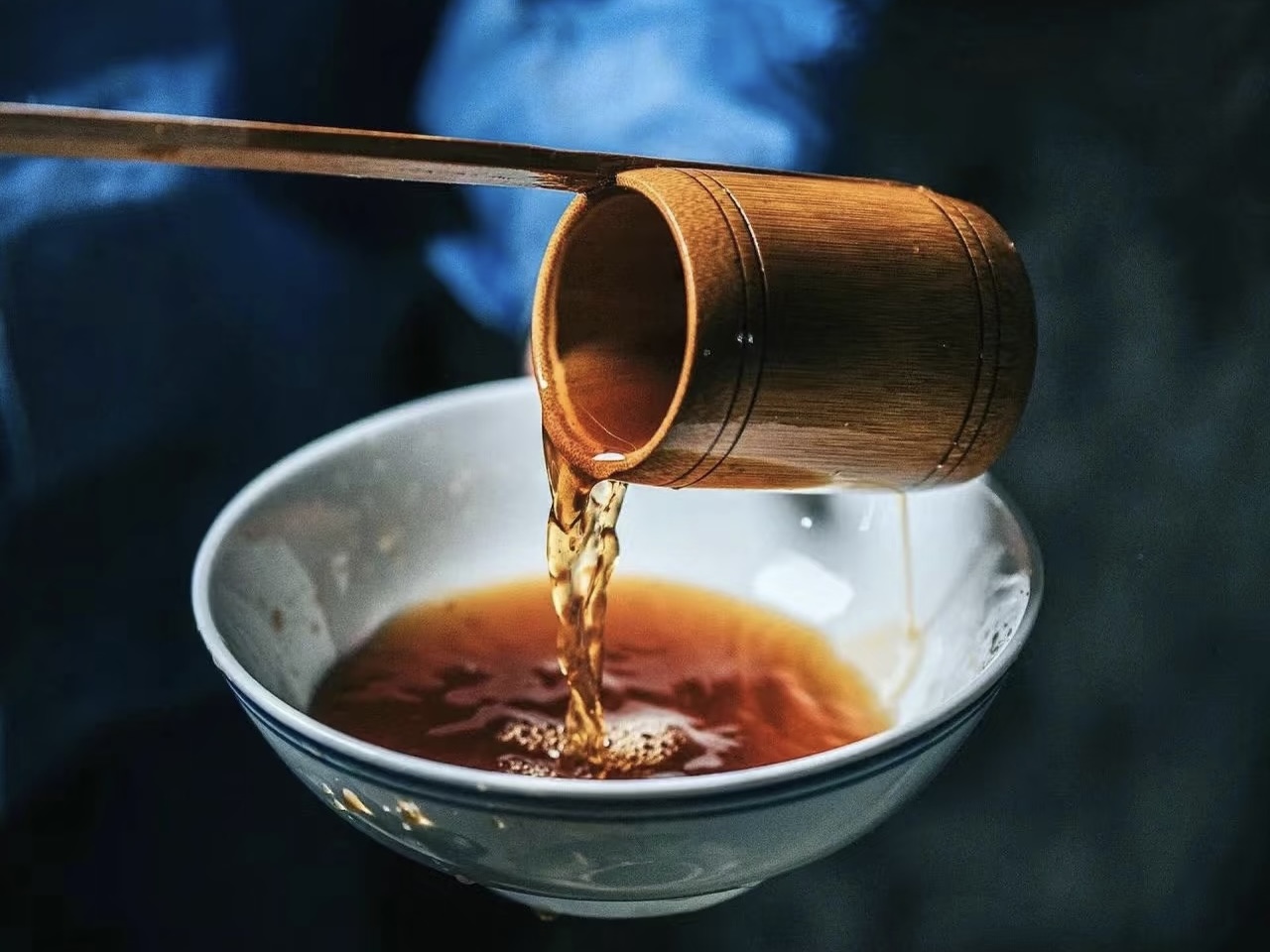
Not a beverage but a cultural pillar — aged up to 20 years in clay jars, huangjiu ranges from light and floral (3-year) to deep, nutty, and viscous (15+ year). Served warm in winter or chilled in summer, it’s paired with everything from steamed crab to braised duck — and even used as a cooking wine to deepen flavor without acidity.
Stir-fried River Shrimp with Chives 韭菜炒河虾
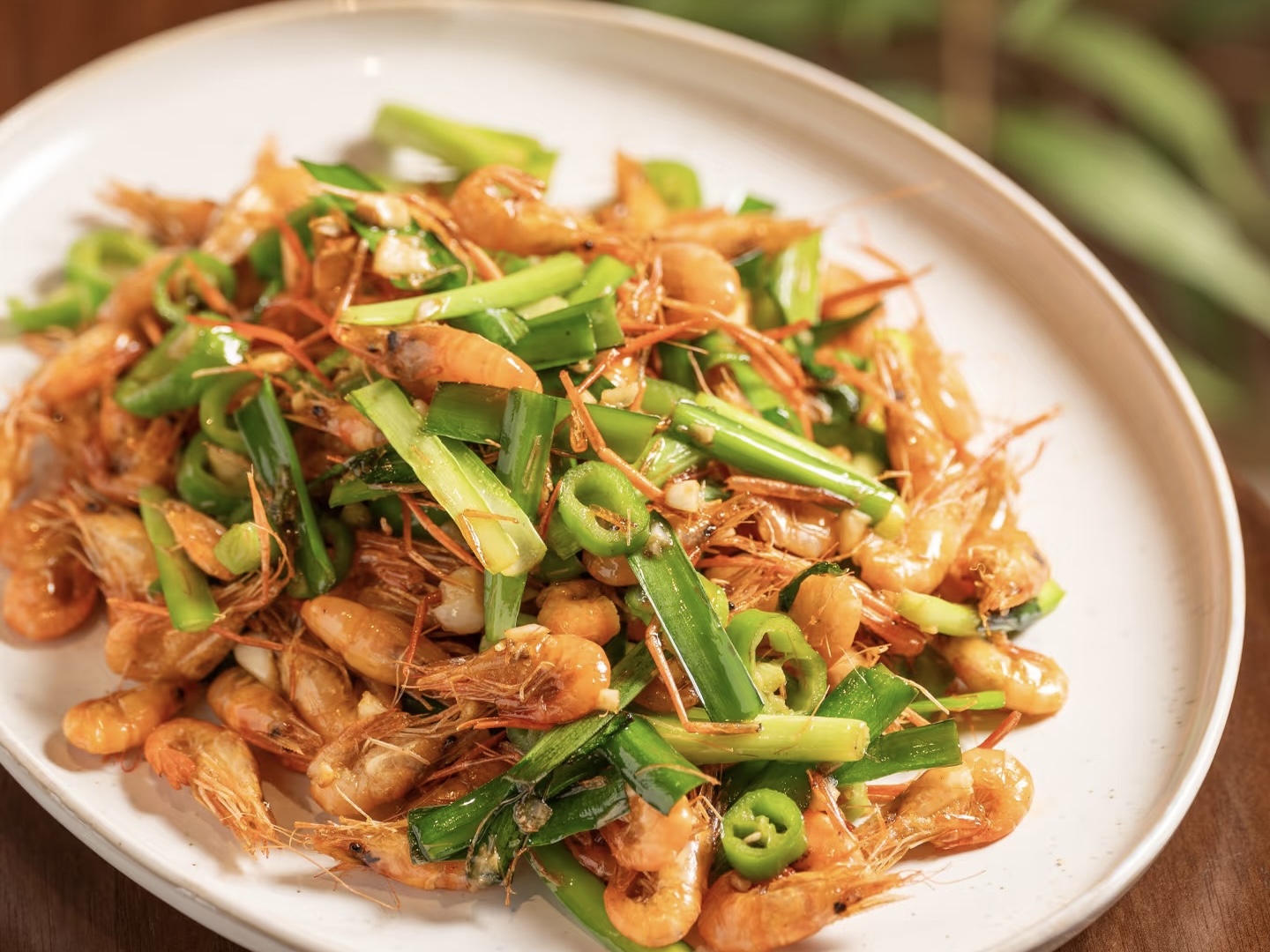
Tiny, translucent river shrimp — harvested from Shaoxing’s canals — stir-fried with garlic chives and a splash of huangjiu. Crisp, briny, and aromatic, this dish celebrates freshness and seasonality, often eaten with plain rice to let the shrimp’s natural sweetness shine.
Oily Rice Dumplings (Zongzi) 油焖粽子
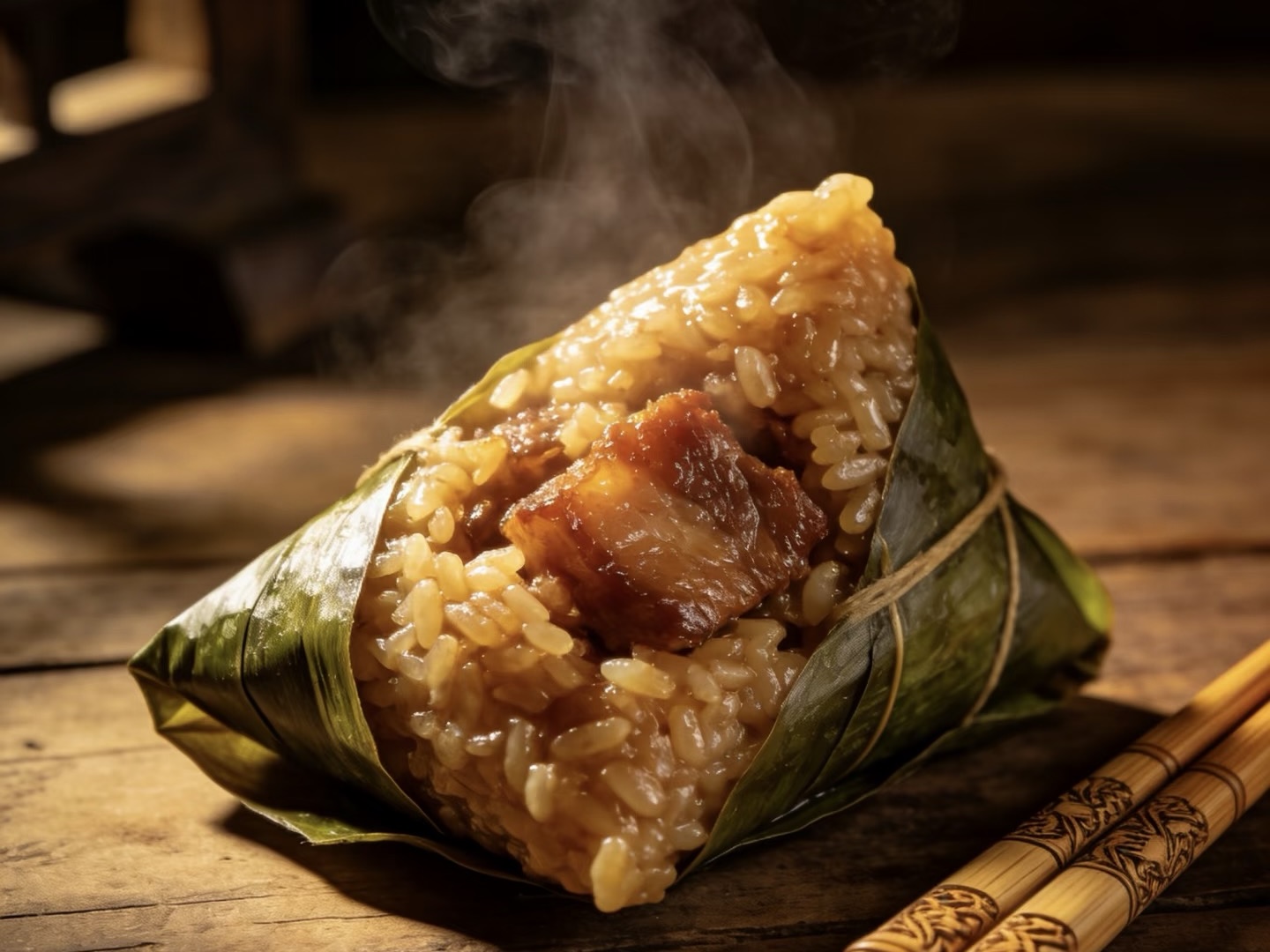
Distinct from southern glutinous rice dumplings, Shaoxing’s version is braised in soy sauce and huangjiu until glossy and deeply savory. Filled with marinated pork belly, chestnuts, and sometimes salted egg yolk, it’s dense, umami-rich, and traditionally eaten during Dragon Boat Festival — though available year-round at old-town stalls.
Best Time to Visit
The ideal window is mid-March to early May and again from late September to mid-November. Spring brings plum blossoms at Orchid Pavilion, willow fluff dancing over canals, and mild temperatures perfect for boat rides and walking the ancient wall. Autumn offers crisp air, golden ginkgo leaves lining riverside paths, and the annual Shaoxing Huangjiu Festival in October — when breweries open their cellars and master brewers demonstrate traditional techniques.
Avoid July and August: high humidity, frequent rain, and temperatures often exceeding 35°C make outdoor exploration exhausting. June brings the rainy season — picturesque in photos, frustrating for navigation. Winter (December–February) is quiet and atmospheric, with fewer crowds and warm huangjiu readily available, but some gardens reduce hours and boat services may be limited on colder days.
Transportation in Shaoxing
Shaoxing is easily reached from Shanghai (1.5 hrs by high-speed rail to Shaoxing North Station) or Hangzhou (25 mins). Within the city, the compact historic core is best explored on foot or by bicycle — rental stations are plentiful near Lu Xun’s Former Residence and the ancient wall. Electric tricycles (sanlunche) offer affordable short hops between attractions, while Didi (China’s Uber) works reliably for longer distances.
Public buses connect major sites (routes 4, 8, and 11 serve key landmarks), but signage is predominantly in Chinese and schedules can be irregular. For stress-free navigation, hire a licensed guide through your hotel or the Shaoxing Tourism Bureau — many speak fluent English and provide context impossible to glean from apps. Note: ride-hailing apps require a Chinese phone number and bank account for payment.
A 2-Day Travel Itinerary
Day-1
Begin at Lu Xun’s Former Residence (鲁迅故居) to ground yourself in Shaoxing’s literary soul, then cross the nearby stone bridge to explore the winding lanes of the Ancient City Wall (绍兴古城墙) — climb at Panmen Gate for sweeping views. After lunch featuring Meigan Cai Steamed Pork (梅干菜扣肉), take a short bus ride to East Lake (东湖) for a serene afternoon boat ride among limestone cliffs. Cap the day with warm huangjiu and Drunken Chicken (绍兴醉鸡) at a canal-side tavern.
Day-2
Start Day Two at Orchid Pavilion (兰亭) — arrive early to avoid crowds and join a morning calligraphy demo. Continue to Yuewang Temple (越王庙) within the historic wall, reflecting on Goujian’s legacy before strolling to Shen Garden (沈园) for quiet contemplation beside the lotus pond. End with Stir-fried River Shrimp (韭菜炒河虾) and Oily Rice Dumplings (油焖粽子) at a family-run eatery near the West Gate — where generations have savored the same recipes, steeped in time and tradition.

Shaoxing doesn’t ask you to rush — it invites you to pause, taste, read,
and float slowly down the current of its enduring grace.
