
Fuzhou(福州): Riverborne Heritage, Maritime Trade, and a City of Quiet Elegance
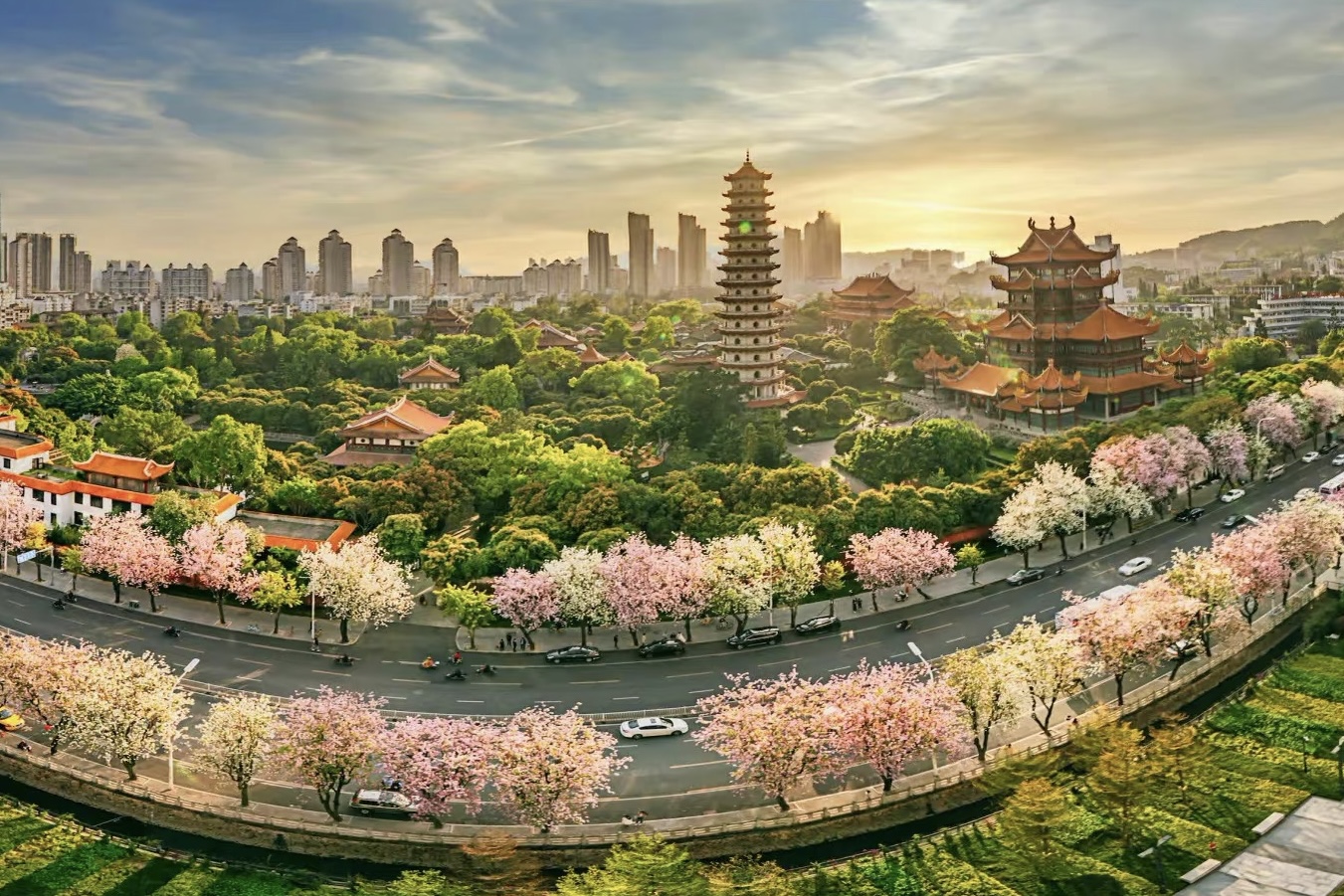
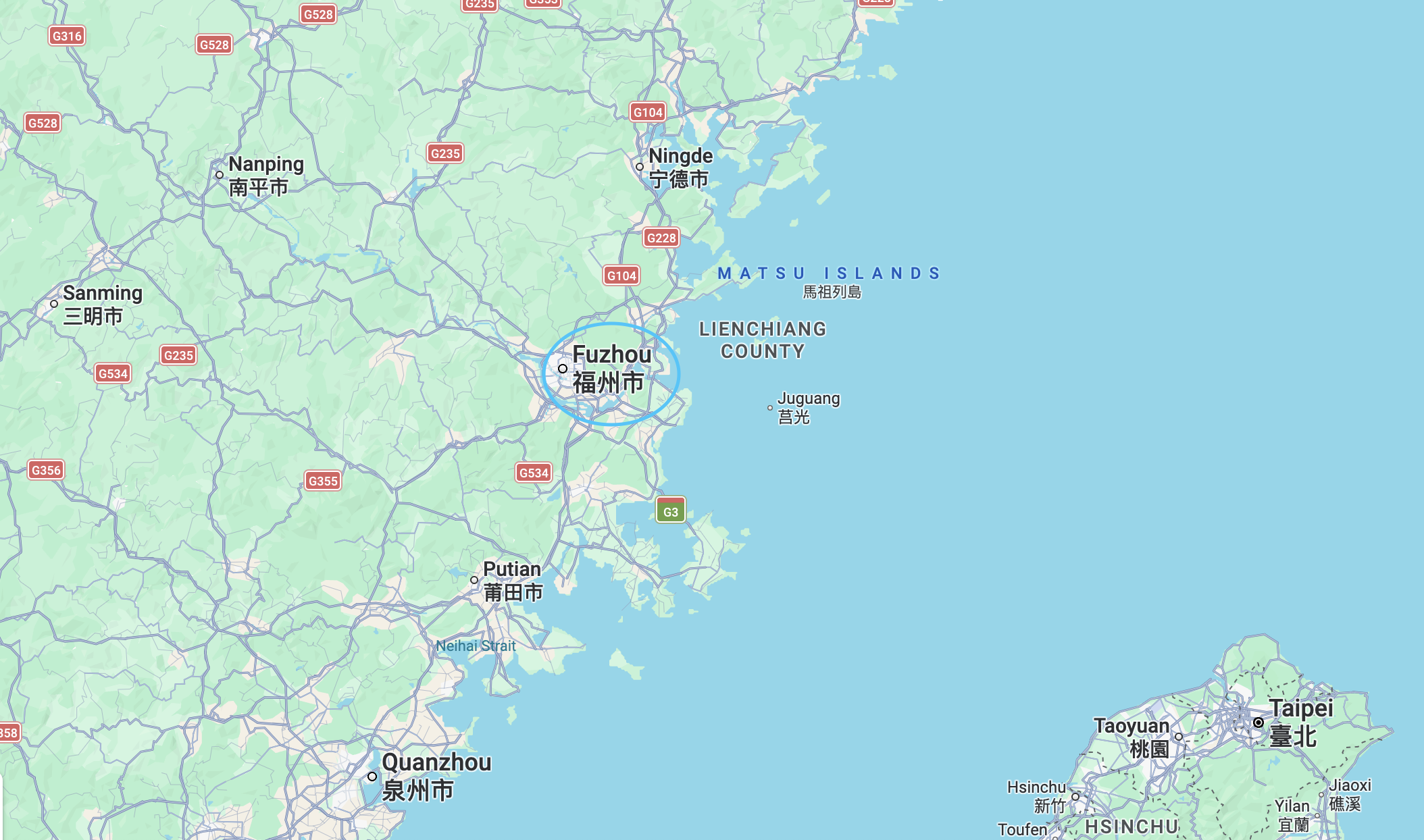
Fuzhou is the capital of Fujian Province, positioned where the Min River opens toward the Taiwan Strait and where centuries of maritime trade shaped a distinctive urban culture. Unlike China’s megacities that rush at full speed, Fuzhou moves with a softer rhythm that rewards attentive travelers. Its identity is built on lanes and courtyards, scholar culture, temple life, and a coastal trading legacy that brought foreign contact earlier than many inland cities. For international visitors, this means a city that feels both historically layered and relaxed, with architecture and street life that reveal history without forcing it into a staged spectacle.
Fuzhou also offers practical travel advantages. The city’s key heritage districts are concentrated in the central core, while its landscapes extend outward to hills, rivers, and nearby coastline. This creates an itinerary that can move from old alleys to mountain temples and then end with riverfront evenings in one weekend. Costs are moderate, transport is efficient, and the experience is culturally rich without heavy crowds. If your goal is a two‑day trip with deep local character, strong food culture, and photo friendly urban texture, Fuzhou is one of the most rewarding and underrated choices in southeast China.
The Places You Absolutely Must Visit
Three Lanes and Seven Alleys (Sanfang Qixiang) 三坊七巷
click here to see the map pin📍
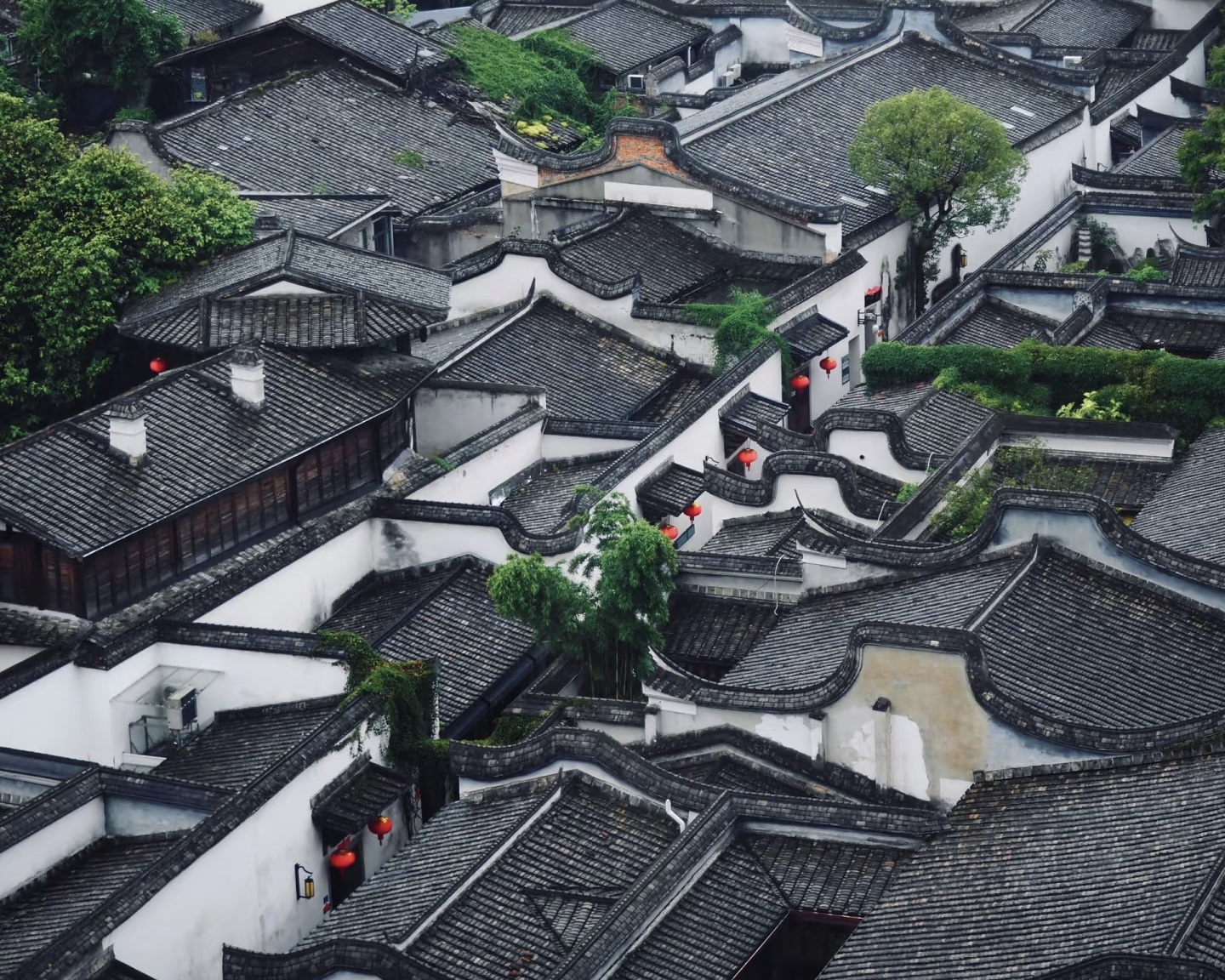
Three Lanes and Seven Alleys is the cultural heart of Fuzhou and the clearest place to understand the city’s refined urban legacy. This historic district preserves Ming and Qing era courtyard homes, stone gatehouses, carved wooden beams, and narrow streets that once housed scholars, officials, and merchants. The spatial logic is intimate rather than monumental: lanes bend gently, walls are textured with age, and inner courtyards reveal layered thresholds that guide visitors from public to private space. It is a neighborhood built for deliberate walking and detail observation rather than fast consumption.
What makes the district valuable for visitors is its combination of authenticity and readability. You can see original architectural patterns, but the area is also filled with museums, studios, and small tea houses that keep it active and accessible. Many residences are linked to famous literary and political figures, and interpretive plaques make it easy to connect built form to historical stories. Arrive early for soft light and minimal crowds, then return in late afternoon when the stone surfaces take on warmer tones. If you only choose one heritage site in Fuzhou, this is the essential anchor.
Fuzhou West Lake Park (Xihu Park) 西湖公园
click here to see the map pin📍

Fuzhou West Lake Park is one of the city’s most serene landscapes and an ideal counterbalance to dense urban alleys. Its lakes, lotus ponds, and willow lined paths form a classic Chinese garden environment with open water views and layered pavilions. Unlike modern recreational parks, West Lake retains a sense of historical continuity: stone bridges, island views, and traditional garden layouts are designed to frame calm, not spectacle. It is a place where the city’s pace softens, allowing visitors to reset between more intensive cultural sites.
The park is especially rewarding in the morning, when local residents gather for tai chi, dance, and quiet social rituals. That living atmosphere adds a contemporary layer to the classical setting, making the park feel like a public commons rather than a staged attraction. For travelers, the best strategy is a slow loop that includes lake edges, pavilion viewpoints, and shaded corridors. If you enjoy landscape photography, West Lake is also one of Fuzhou’s best locations for soft reflections and balanced composition.
Gushan Mountain and Yongquan Temple 鼓山涌泉寺
click here to see the map pin📍
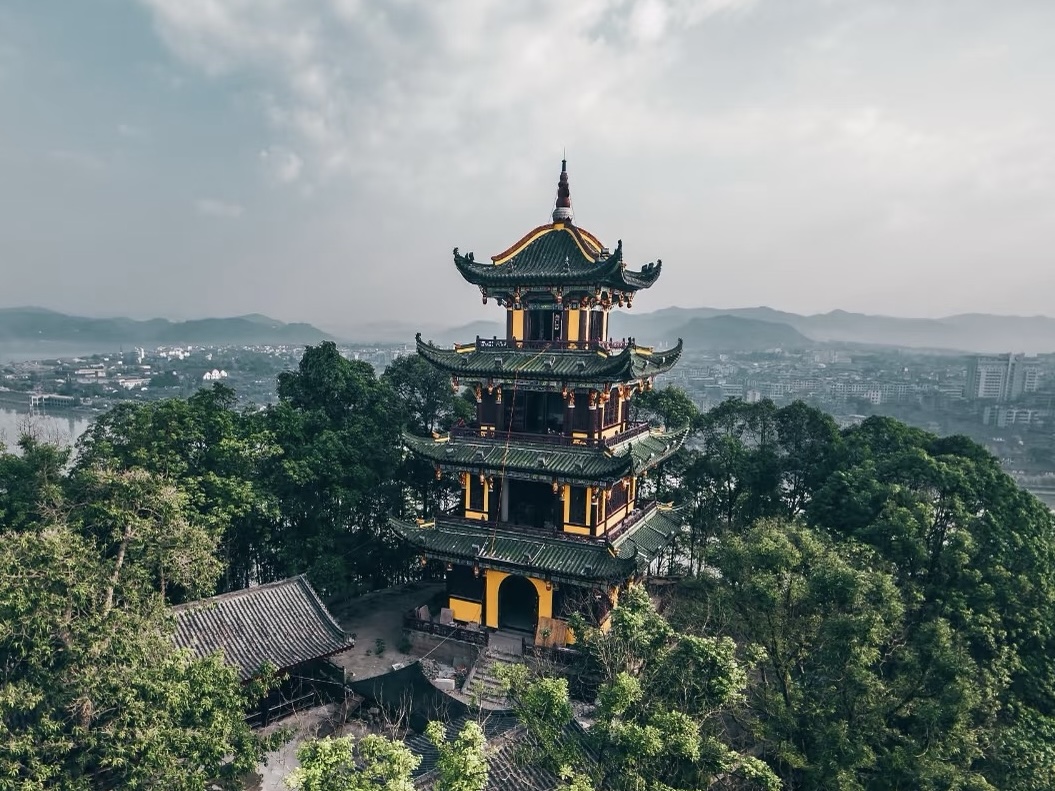
Gushan Mountain rises on the eastern side of the city and offers the strongest blend of natural landscape and spiritual heritage in Fuzhou. The climb is gentle by mountain standards, but the change in elevation quickly opens to forested air, quiet trails, and long horizon views back toward the Min River basin. At its center sits Yongquan Temple, a major Buddhist complex with a long history and a steady flow of pilgrims. The temple is not only architecturally beautiful; it also functions as a living religious site, which gives the experience depth beyond pure tourism.
For visitors, the site works as a half‑day escape from the urban core. You can take the cable car or walk in sections, then spend time in the temple courtyards and bell towers. Incense smoke, stone tablets, and carved gates create a sensory contrast to the modern city below. Try to visit on a weekday morning for a quieter atmosphere. The combination of mountain air, temple ritual, and panoramic views makes Gushan one of the most memorable stops in a short Fuzhou itinerary.
Shangxiahang Historic District 上下杭
click here to see the map pin📍
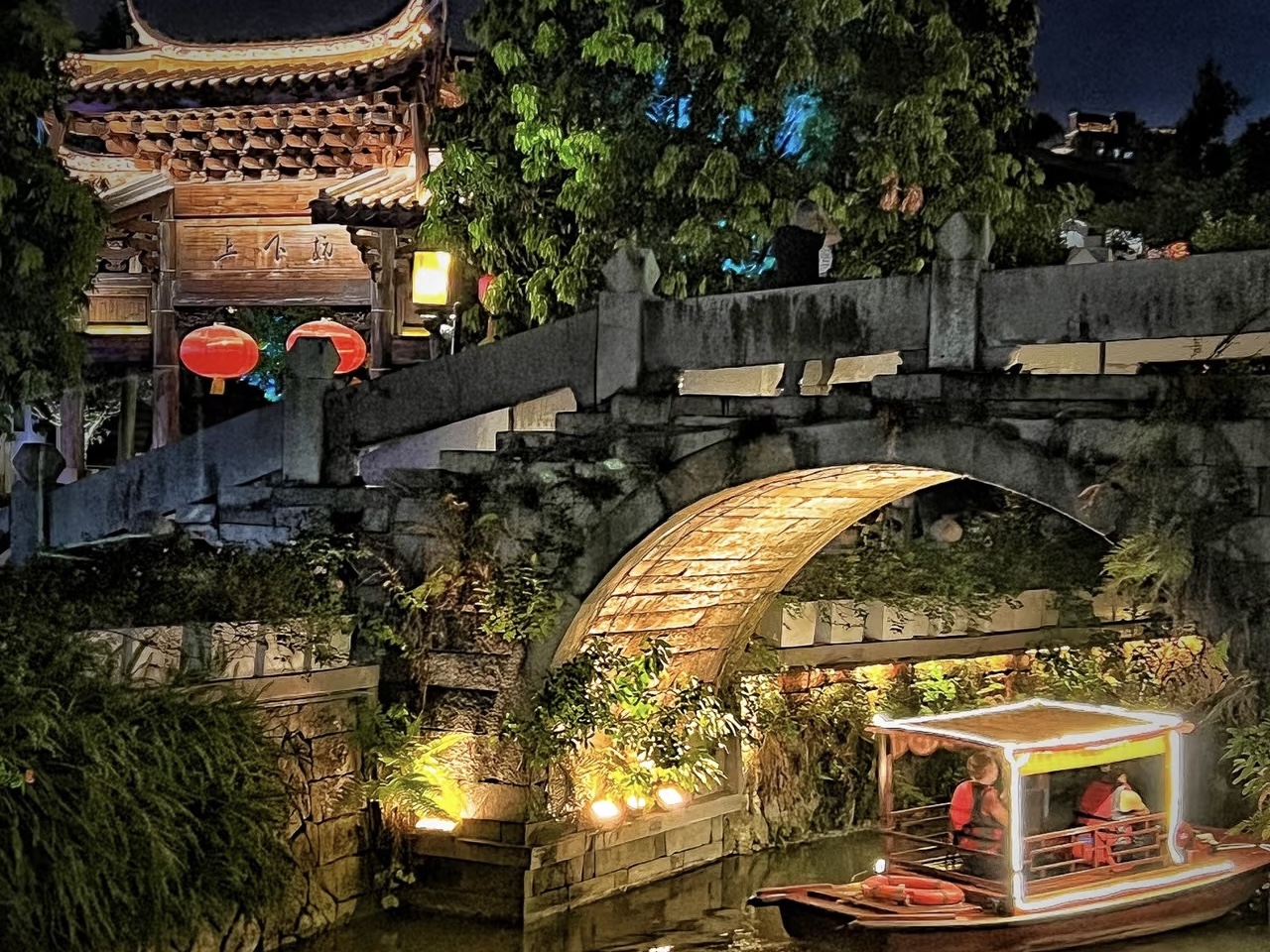
Shangxiahang is Fuzhou’s riverside heritage quarter where maritime commerce once concentrated, and it provides a different historical narrative from the scholar oriented lanes of Sanfang Qixiang. The district is structured around old merchant streets, arcaded facades, and river facing warehouses that recall the city’s long connection to coastal trade. Restoration efforts have reopened the area as a walkable cultural zone, but its spatial character remains distinct: broader streets, linear river alignment, and a more commercial architectural rhythm that reflects its trading past.
The district is best explored in late afternoon into evening, when shop lights and river reflections deepen the ambience. It is also one of the most convenient places to mix sightseeing with dining, because modern cafés and snack shops sit next to restored guild halls and traditional residences. For international travelers, Shangxiahang adds balance to the itinerary: it connects Fuzhou’s inland scholar culture with its maritime identity, and it provides an attractive, less crowded evening environment.
Yantai Mountain Park (Yantaishan) 烟台山公园
click here to see the map pin📍
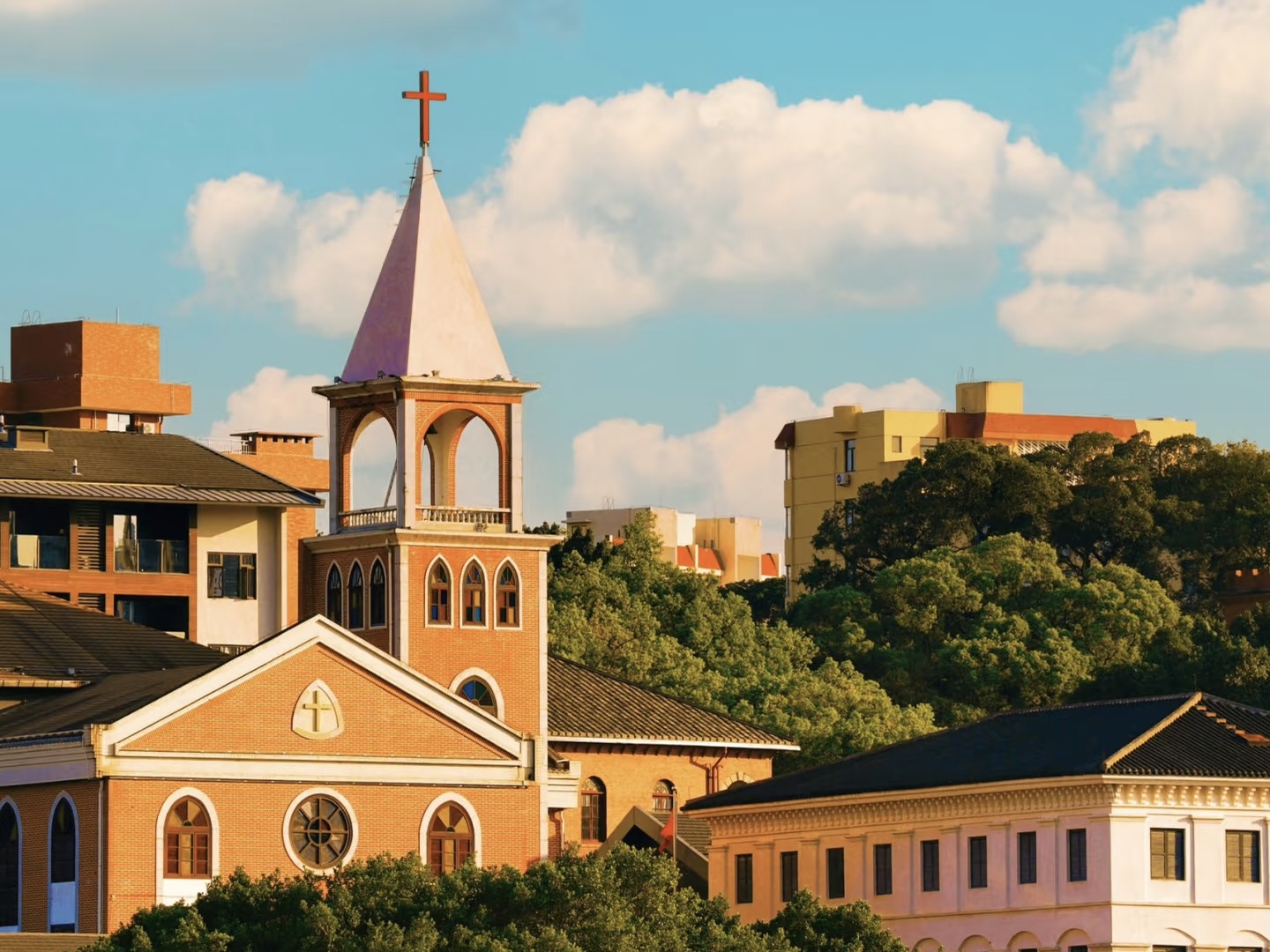
Yantai Mountain Park presents a layered slice of Fuzhou’s modern history, especially its interactions with foreign trade and missionary activity in the late nineteenth and early twentieth centuries. The area combines hilltop views with colonial era villas, consulates, and churches that stand alongside local residences. This mix creates a visual narrative that is rare in many Chinese cities: a clear, walkable district where Chinese and Western architectural styles sit side by side without heavy reconstruction or theme park treatment.
The park is small enough to explore in a focused visit, but rich enough to reward slow pacing. Walk uphill for views, then follow the pathways through historic buildings and landscaped terraces. Photographers will find strong contrast between light stone facades, tree canopy shadows, and the river below. For travelers who want to see Fuzhou beyond traditional heritage zones, Yantai Mountain delivers a complementary perspective on how the city modernized and interacted with the wider world.
Fuzhou Cuisine
Fuzhou cuisine is built around balance, clarity, and layered umami rather than aggressive heat. Its flavors often feel gentle at first taste, then deepen through slow simmered broths, seafood based stock, and careful use of rice wine and sugar. For visitors, the best way to understand local food is to notice texture and aroma rather than only spice. Many dishes emphasize smoothness, softness, and a clean finish, which makes Fuzhou an excellent destination for travelers who want complexity without excessive heaviness.
A practical eating strategy is to pair one soup or broth centered dish with one fried or braised plate, then add a local snack between meals. This reveals the city’s culinary range, from street comfort food to banquet style specialties. Fuzhou is also a city where breakfast culture matters; morning stalls offer some of the most authentic flavors at modest prices. If you eat with a rhythm—light in the morning, richer at dinner—you can sample a wider range without palate fatigue.
Fotiaoqiang (Buddha Jumps Over the Wall) 佛跳墙
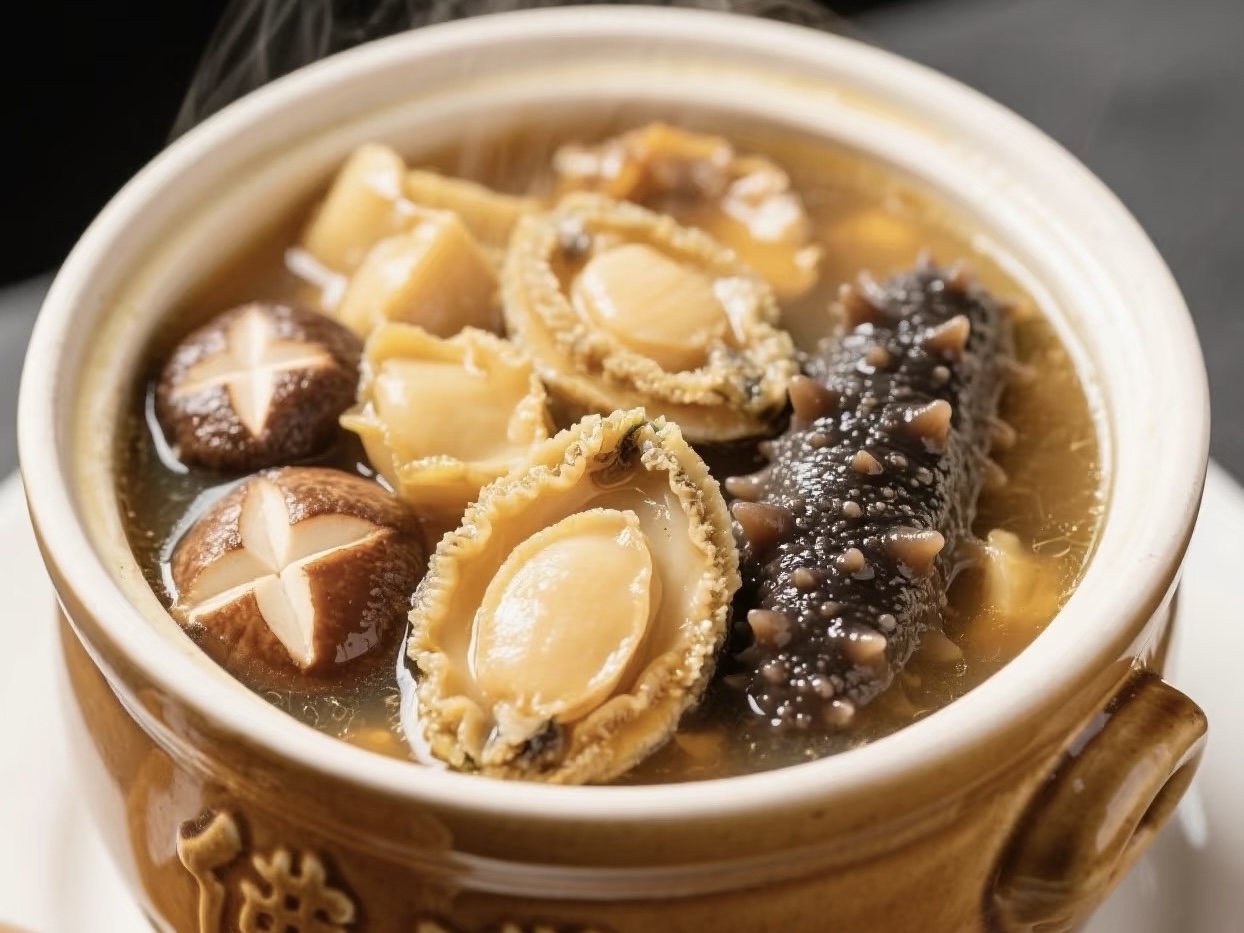
Fotiaoqiang is Fuzhou’s most famous dish and one of the most celebrated banquet soups in China. It is a slow simmered broth that combines abalone, sea cucumber, fish maw, dried scallops, pork, and aromatic seasonings into a deeply layered, luxurious flavor. The dish is expensive and usually shared, but it offers the clearest expression of Fuzhou’s refined culinary tradition and its mastery of slow cooking technique.
Fuzhou Fish Balls 福州鱼丸

Fuzhou fish balls are known for their springy texture and flavorful pork filling. Unlike simple fish paste balls, Fuzhou versions hide a savory center that releases as you bite through the elastic outer layer. They are commonly served in a light broth, making them a versatile snack or a quick meal between attractions.
Lychee Pork (Lizhi Rou) 荔枝肉
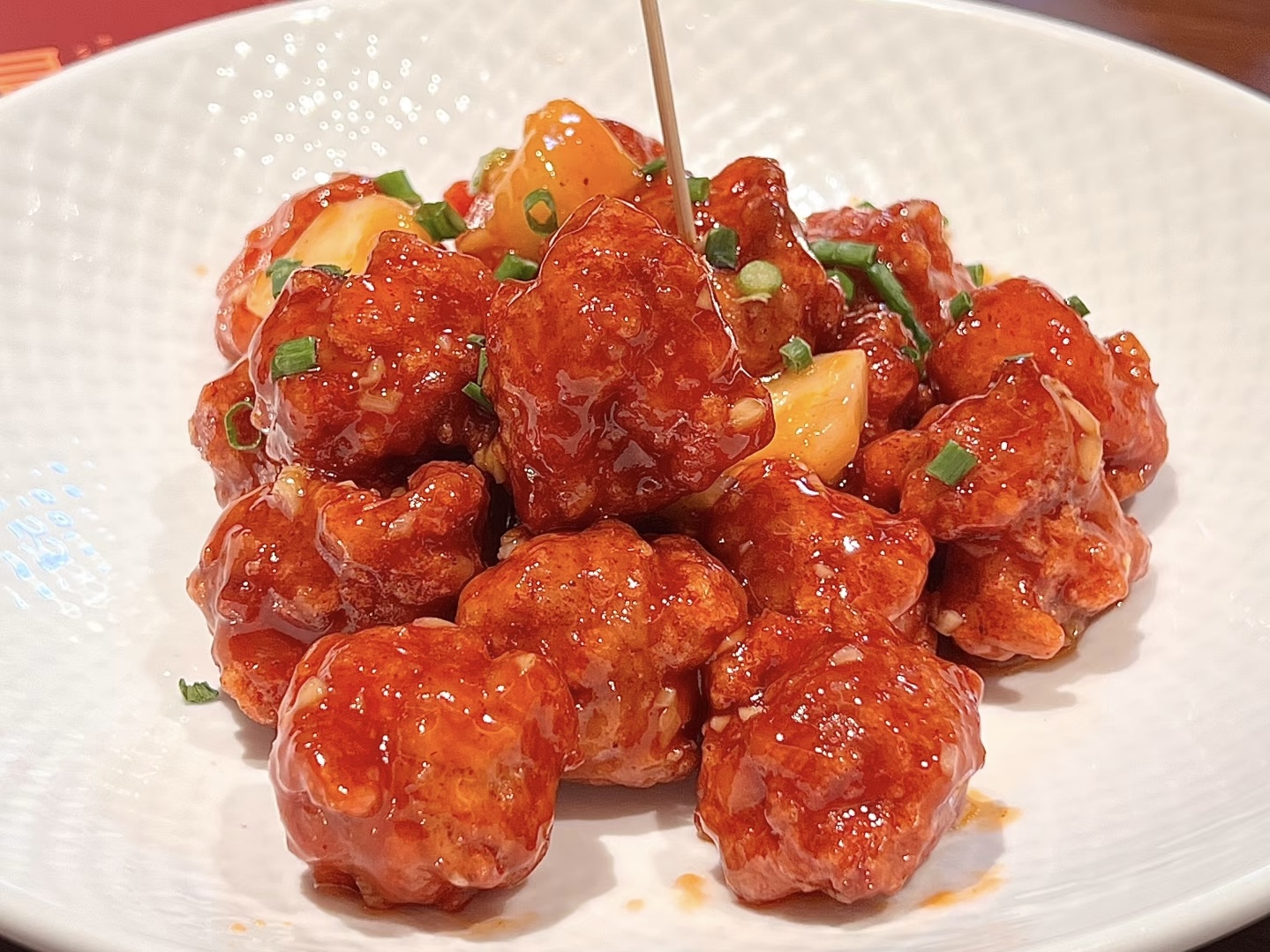
Lychee pork is a sweet and sour fried pork dish named for its glossy, round appearance that resembles lychee fruit. The balance of sugar, vinegar, and light sauce creates a bright flavor without the heavy glaze common in other regions. It is an ideal introduction to Fuzhou’s preference for sweet‑savory harmony.
Dingbian Hu (Rice Batter Soup) 鼎边糊

Dingbian hu is a traditional street breakfast made by pouring rice batter along the edge of a hot pot so it cooks into thin, tender ribbons before dropping into a savory broth. The texture is soft and slightly chewy, and the flavor is gentle, making it a comforting start to the day or a calming counterpoint to richer dishes later.
Guang Bing (Fuzhou Light Bread) 光饼

Guang bing is a baked bread with a crisp exterior and a hollow center that can be eaten plain or filled with meat. It is portable, filling, and widely available around markets. For travelers on the move, it is one of the easiest local foods to try while walking between sites.
Best Time to Visit
Fuzhou is most comfortable in spring (March to May) and autumn (October to early December), when humidity is lower and temperatures remain mild. Spring brings softer light and green parks, which is ideal for walking in Sanfang Qixiang or around West Lake. Autumn provides clearer skies and cooler evenings, making it the best season for riverfront districts and hilltop viewpoints such as Yantai Mountain.
Summer in Fuzhou is hot and humid with frequent rain, which can be tiring for outdoor itineraries. Winter is shorter and relatively mild compared with northern China, but damp weather can make walking less pleasant. For international visitors with limited time, the shoulder seasons deliver the most reliable balance of comfort, visual quality, and efficient movement between attractions.
Transportation in Fuzhou
Fuzhou’s urban core is navigable with a mix of metro lines, taxis, and ride hailing apps. Most central heritage sites are within short driving distance of each other, so grouping nearby districts into the same half‑day block is the most efficient strategy. Walking inside each historic zone is the best way to experience the architecture, while short rides connect you between the riverfront, parks, and hillside sites.
Visitors typically arrive by high speed rail or through Fuzhou Changle International Airport. From either arrival point, taxis and ride hailing provide direct access to central districts. When visiting Gushan, allow extra time for the mountain segment and plan a focused half day. For food streets and evening areas such as Shangxiahang, traveling on foot within the district works best once you arrive.
A 2‑Day Travel Itinerary
Day 1-Three Lanes and Seven Alleys
Begin at Three Lanes and Seven Alleys(三坊七巷) in the morning to explore courtyards and scholar residences before the lanes become crowded. Move next to Fuzhou West Lake Park(西湖公园) for a slower pace, lakeside walking, and lunch nearby. In the afternoon, continue to Yantai Mountain Park(烟台山公园) to see historic villas and capture elevated city views. End the day in Shangxiahang(上下杭), where evening lights, riverfront ambience, and local snacks make an ideal night walk and dinner setting.
Day 2-Gushan Yongquan Temple
Dedicate the morning to Gushan and Yongquan Temple(鼓山·涌泉寺). Take the cable car or trail for mountain air and temple visits, then return to the city by early afternoon. Use the later hours to revisit your favorite food street or museum corner in Sanfang Qixiang, or schedule a relaxed tea break in the old city. Finish with a final local meal that includes fish balls or lychee pork so the trip closes with a clear taste of Fuzhou’s signature flavors.
Fuzhou rewards travelers who value layered history, calm urban rhythm,
and a cuisine built on depth rather than noise.
Are you interested in traveling around China?
🌏✨ Experience teaching with MEF World and travel the world.✨🌏
Join our FREE webinar to learn more: https://cutt.ly/ne9bTUJd
See current jobs: https://cutt.ly/oeUbBjAF
Apply now: https://cutt.ly/meUbM7xG
Teaching in China = adventure, growth, and memories for a lifetime.
